

Product
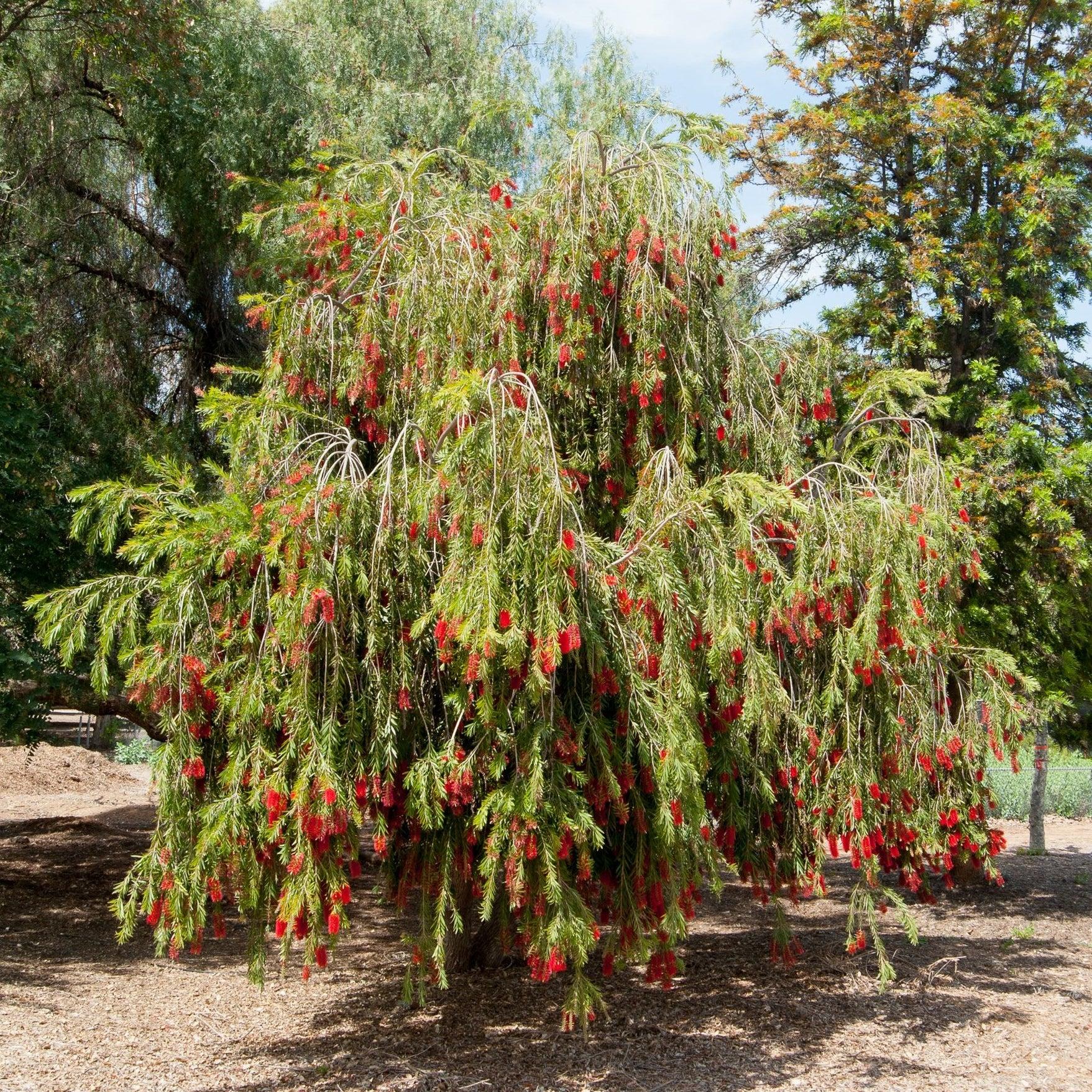
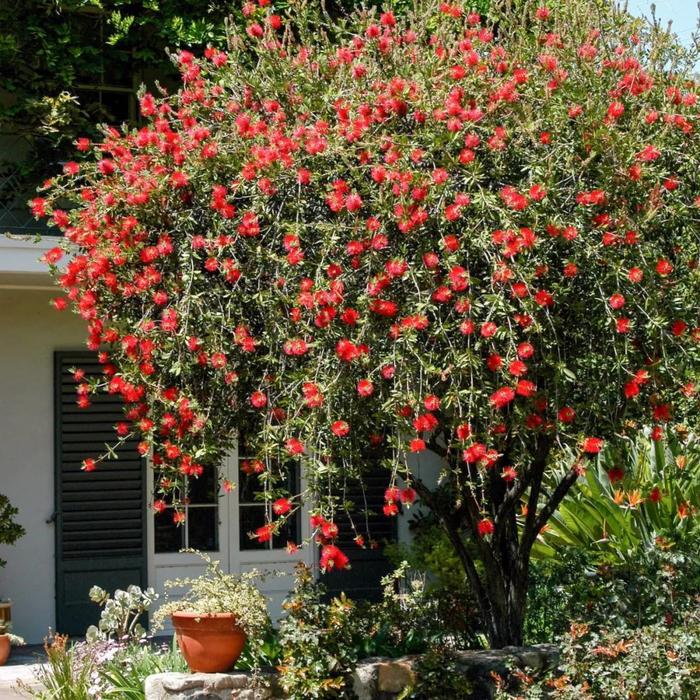
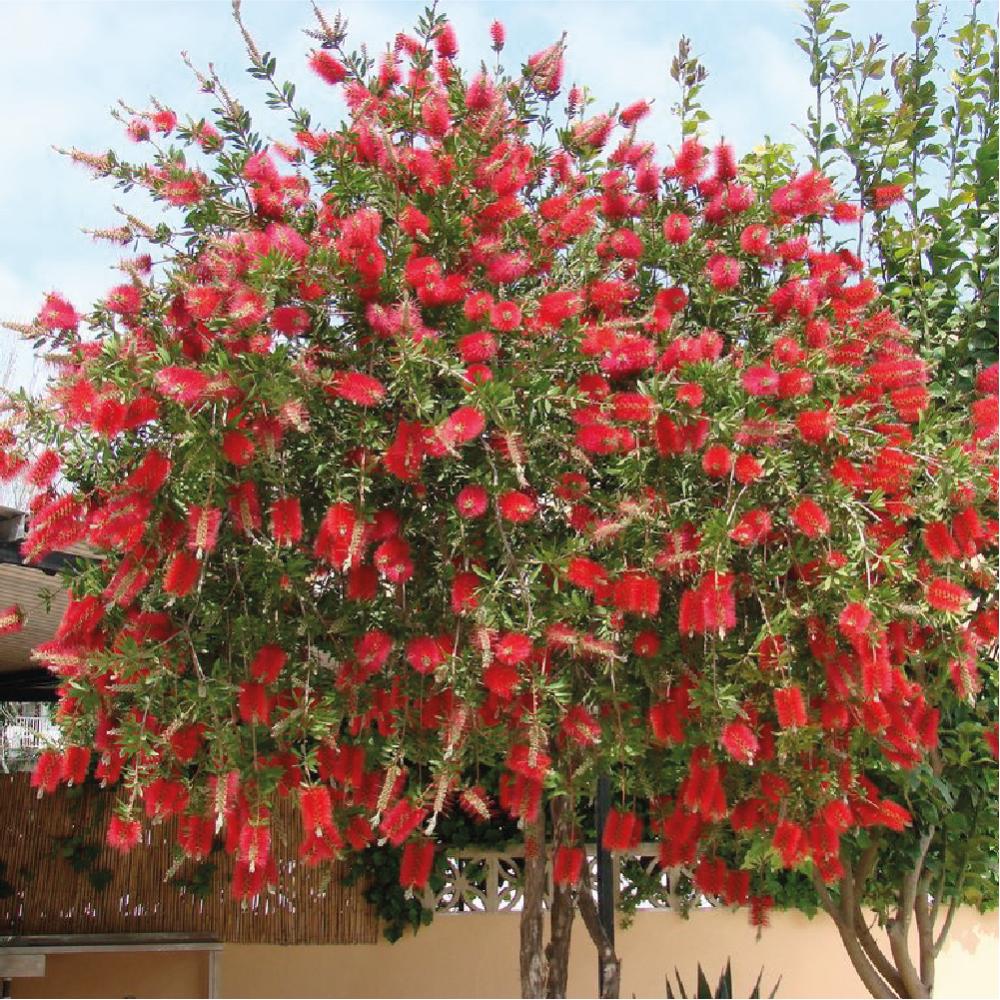
Bottlebrush


Common Name: Bottlebrush, Crimson Bottlebrush, Lemon Bottlebrush Botanical Name: Callistemon (commonly Callistemon citrinus; many species are now classified under the genus Melaleuca) Family: Myrtaceae (Myrtle Family) Plant Type: Evergreen flowering shrub or small tree Origin: Australia
- SKU: PLANT4589
- CATEGORY: Ornamental trees
- TAGs: Air Purifying , Low Maintenance
Plant Description
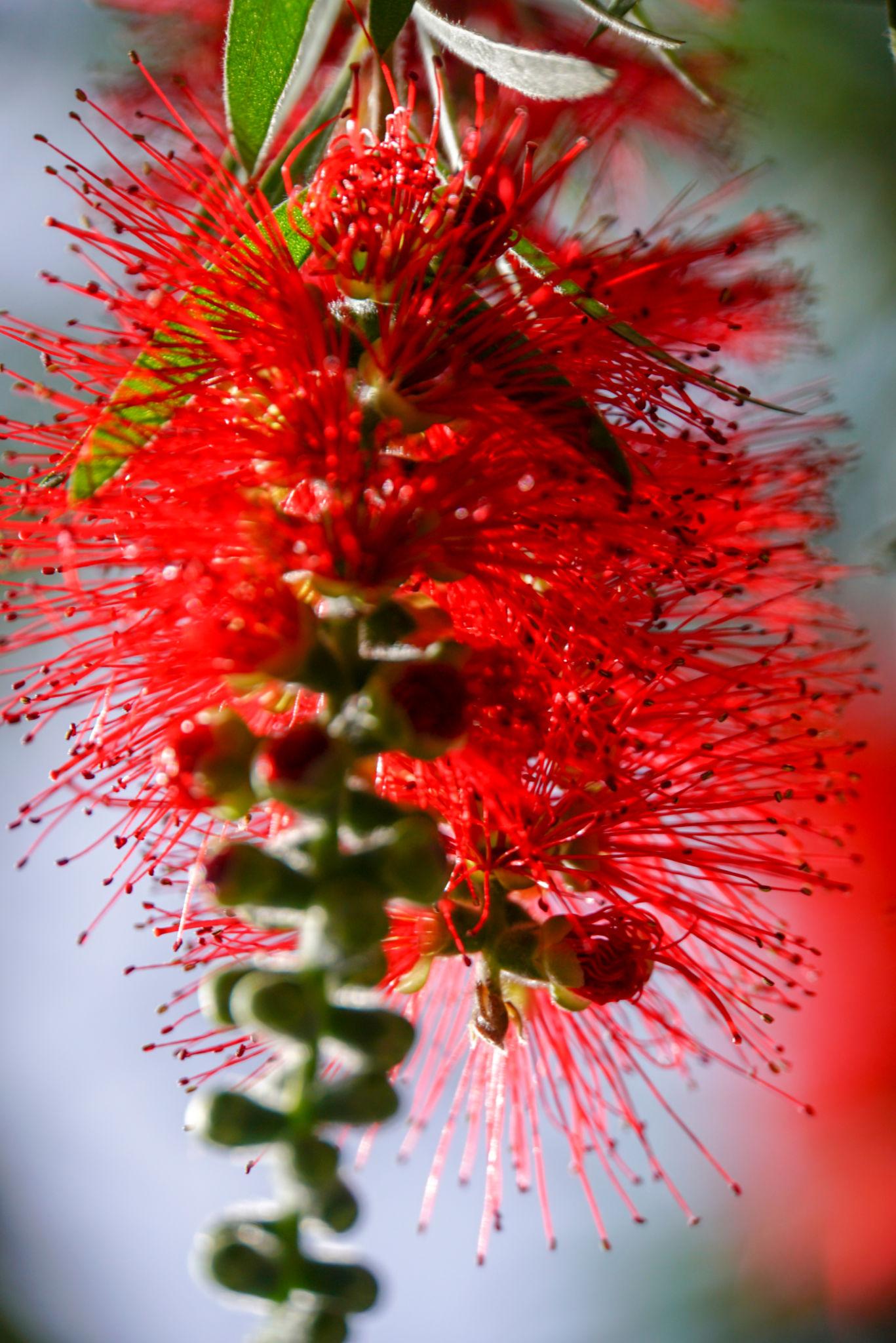
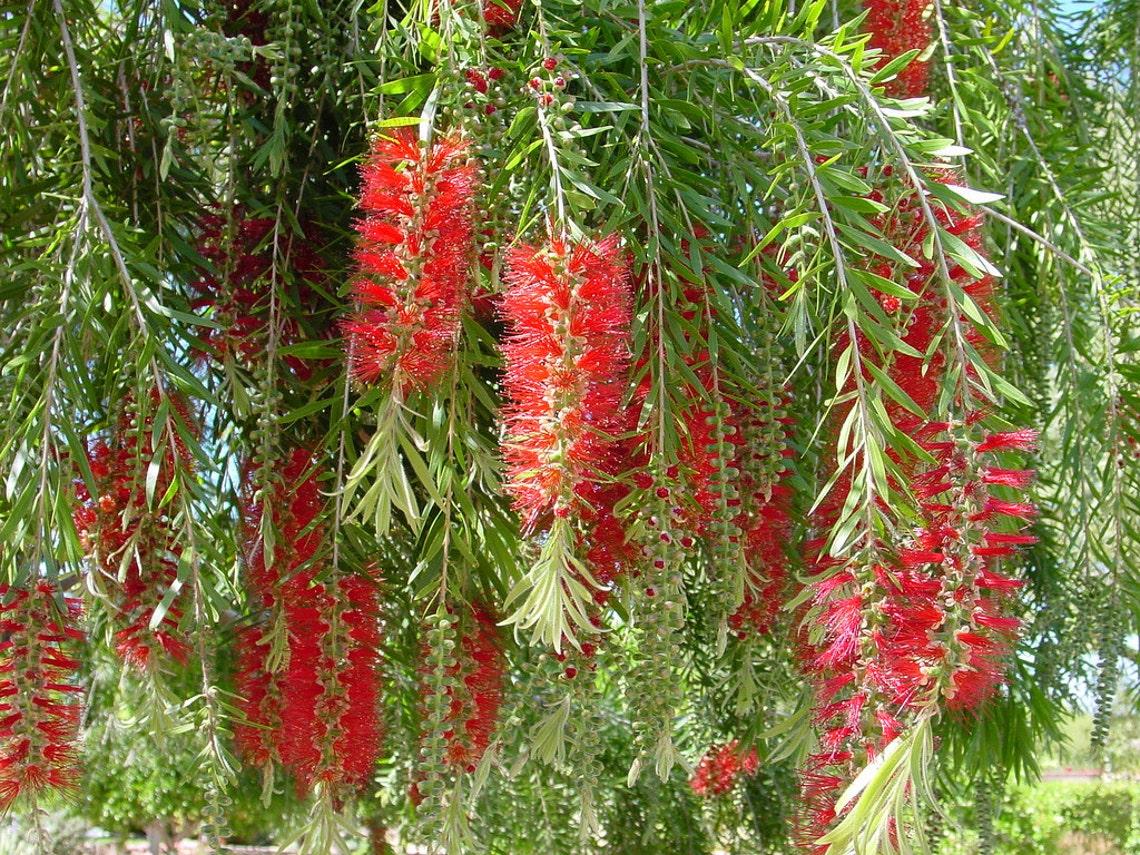
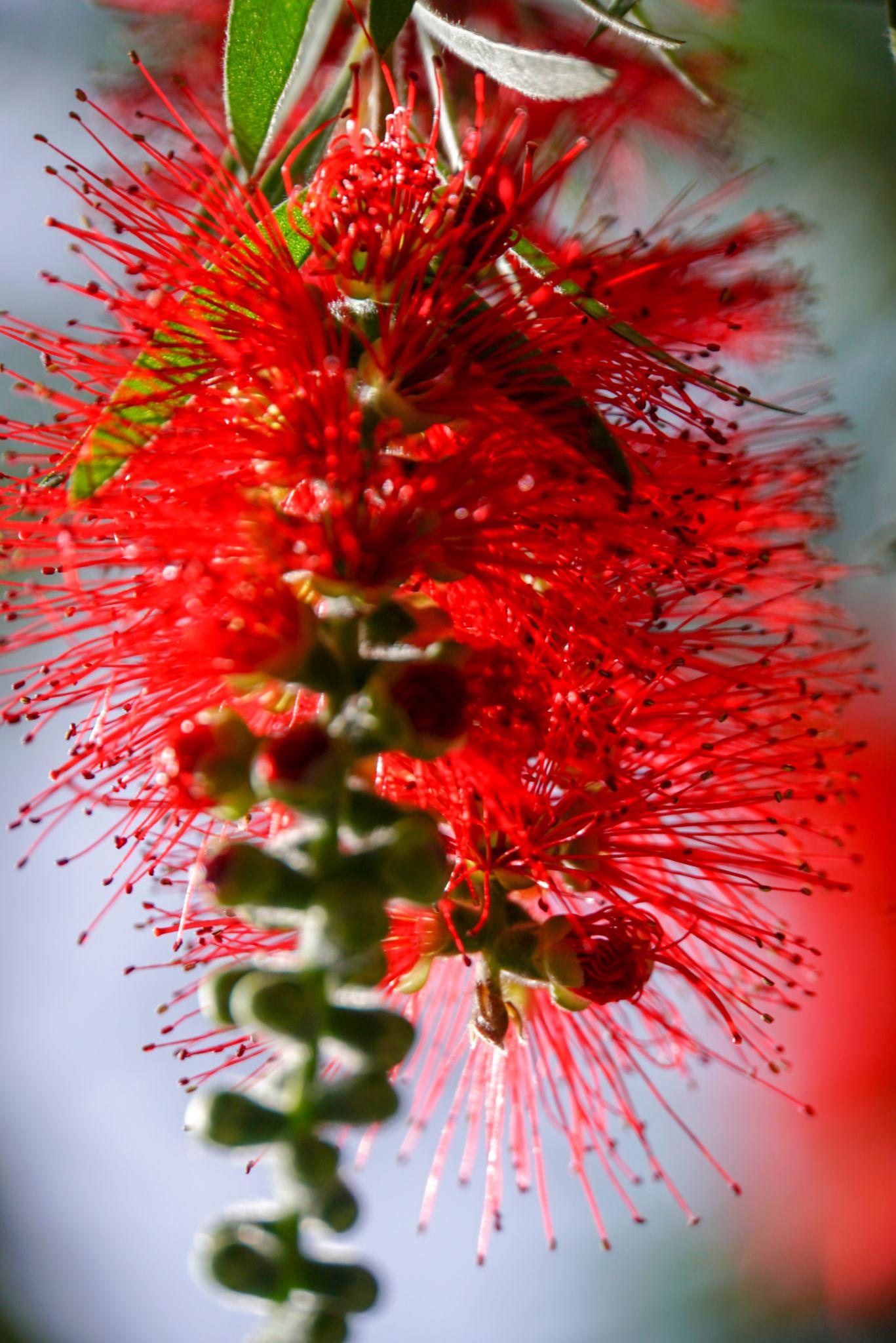
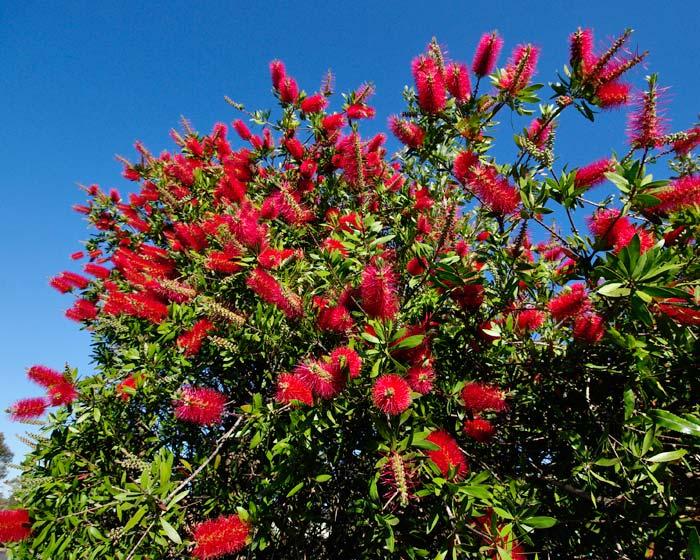
Bottlebrush is a beautiful evergreen ornamental plant known for its unique cylindrical, brush-like flowers that resemble a bottle-cleaning brush. It is widely planted in gardens, parks, roadsides, and landscapes due to its attractive flowers, dense foliage, and low maintenance requirements.
The plant produces vibrant flower spikes in shades of red, crimson, pink, white, yellow, and purple, depending on the species and cultivar. Its nectar-rich flowers attract birds, butterflies, bees, and other pollinators, making it an excellent choice for wildlife-friendly gardens.
Plant Characteristics
- Height: 2–10 meters (depending on species and pruning)
- Spread: 2–6 meters
- Growth Rate: Moderate
- Plant Habit: Upright shrub or small tree with dense branching
- Lifespan: Perennial
- Evergreen: Yes
Leaves
- Narrow, lance-shaped leaves.
- Dark green to grey-green in colour.
- Aromatic when crushed due to the presence of essential oils.
- Dense foliage provides year-round greenery.
Flowers
- Cylindrical bottlebrush-shaped flower spikes.
- Bright red is the most common colour, with cultivars also available in pink, white, yellow, and purple.
- Rich in nectar, attracting bees, butterflies, and nectar-feeding birds.
- Flowers are produced mainly at the ends of branches.
Flowering Season
- Spring
- Summer
- Often flowers again in autumn under favourable conditions.
Uses
Ornamental Uses
- Home gardens
- Parks
- Avenue planting
- Flowering hedges
- Screening plants
- Container gardening (dwarf varieties)
- Coastal landscapes
Common Pests and Diseases
Pests
- Aphids
- Scale insects
- Mealybugs
- Spider mites
Diseases
- Root rot (from poor drainage)
- Leaf spot
- Sooty mold (associated with sap-sucking insects)
Regular inspection and proper watering help prevent most issues.
Landscape Value
Bottlebrush is highly valued for its striking flowers, evergreen foliage, and adaptability. It is an excellent choice for ornamental gardens, avenue planting, parks, hedges, wildlife gardens, and urban landscapes, providing colour and ecological benefits throughout much of the year.
Growing Conditions
Sunlight
- Requires full sunlight.
- Needs 6–8 hours of direct sunlight daily for abundant flowering.
Temperature
- Ideal: 18°C–35°C
- Tolerates heat and mild frost.
- Performs well in tropical, subtropical, and warm temperate climates.
Soil
- Well-drained sandy, loamy, or clay-loam soil.
- Adapts to a variety of soil types.
- Soil pH: 5.5–7.5
Watering
- Water regularly during the establishment period.
- Once established, Bottlebrush is moderately drought tolerant.
- Avoid prolonged waterlogging.
Fertilizer
- Apply compost or well-rotted organic manure twice a year.
- Feed with a balanced NPK (10:10:10 or 19:19:19) fertilizer every 2–3 months during the growing season to promote healthy growth and flowering.
Propagation
Bottlebrush can be propagated through:
- Seeds
- Semi-hardwood stem cuttings (most common for cultivars)
Stem cuttings root well during spring and the rainy season.
Pruning
- Prune lightly after flowering.
- Remove spent flower spikes to encourage new growth and repeat flowering.
- Eliminate dead or damaged branches to maintain plant health.
Maintenance Tips
- Plant in a sunny location.
- Water deeply but infrequently after establishment.
- Apply compost annually for vigorous growth.
- Remove faded flower spikes after blooming.
- Prune lightly to maintain shape and encourage dense branching.