

Product
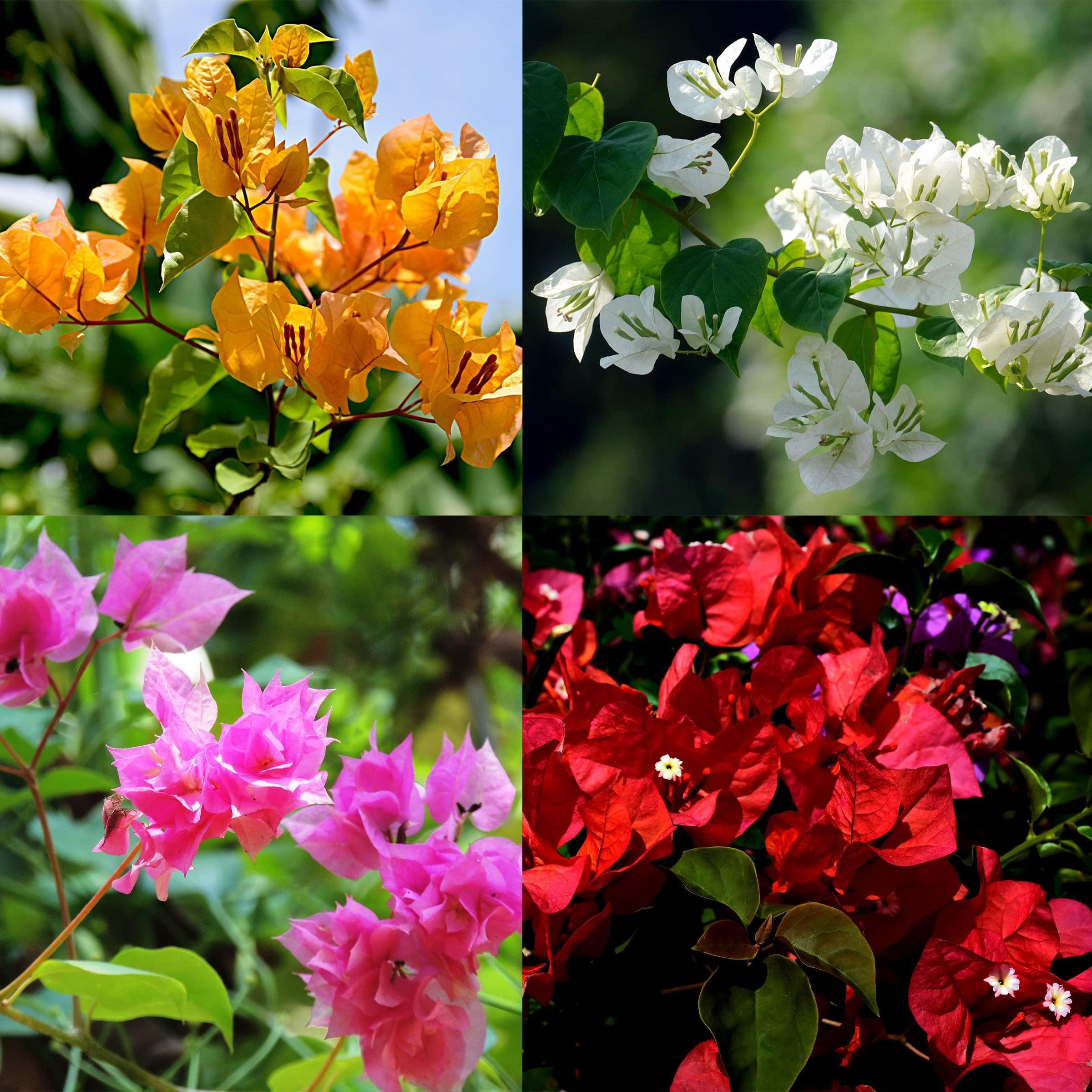
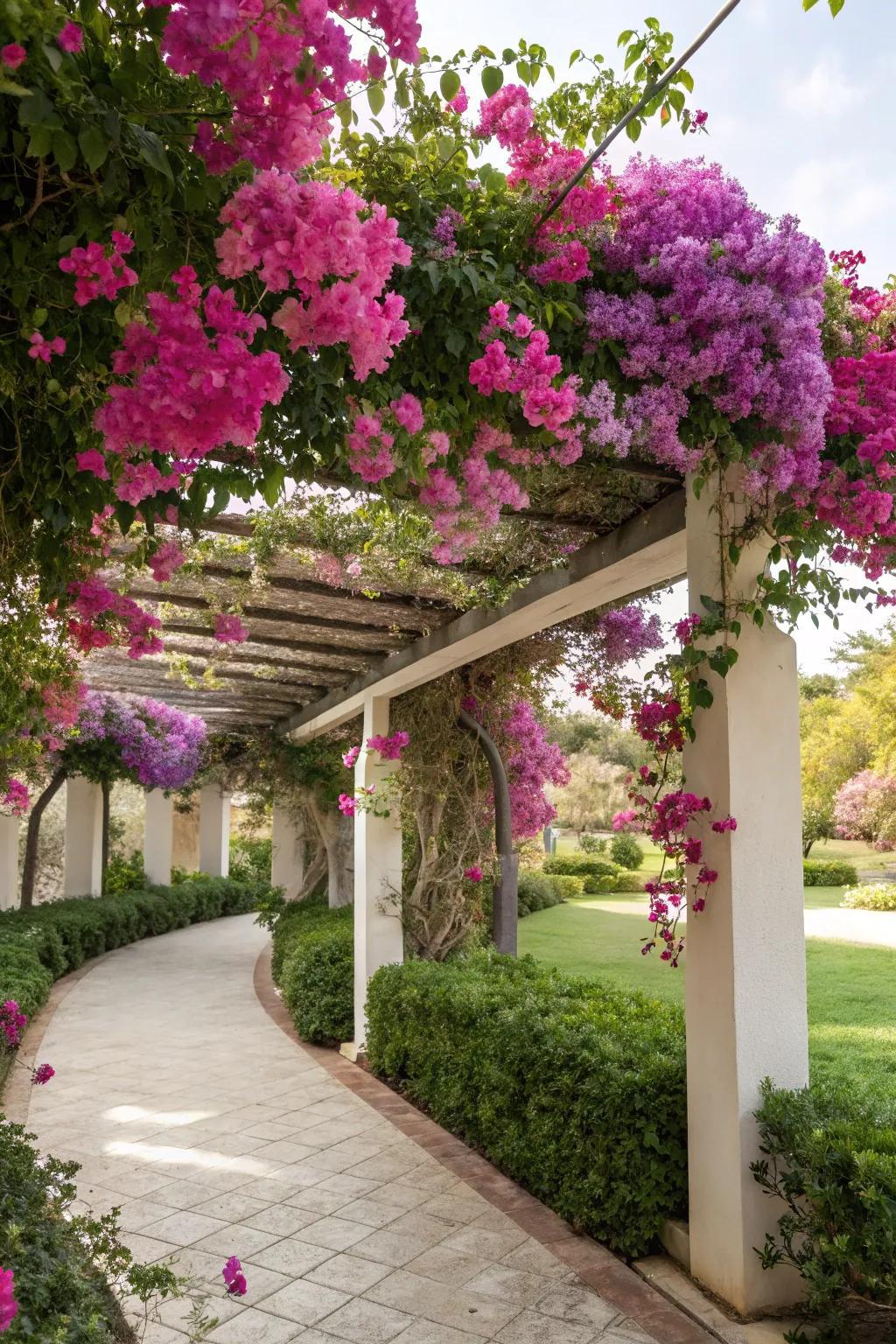
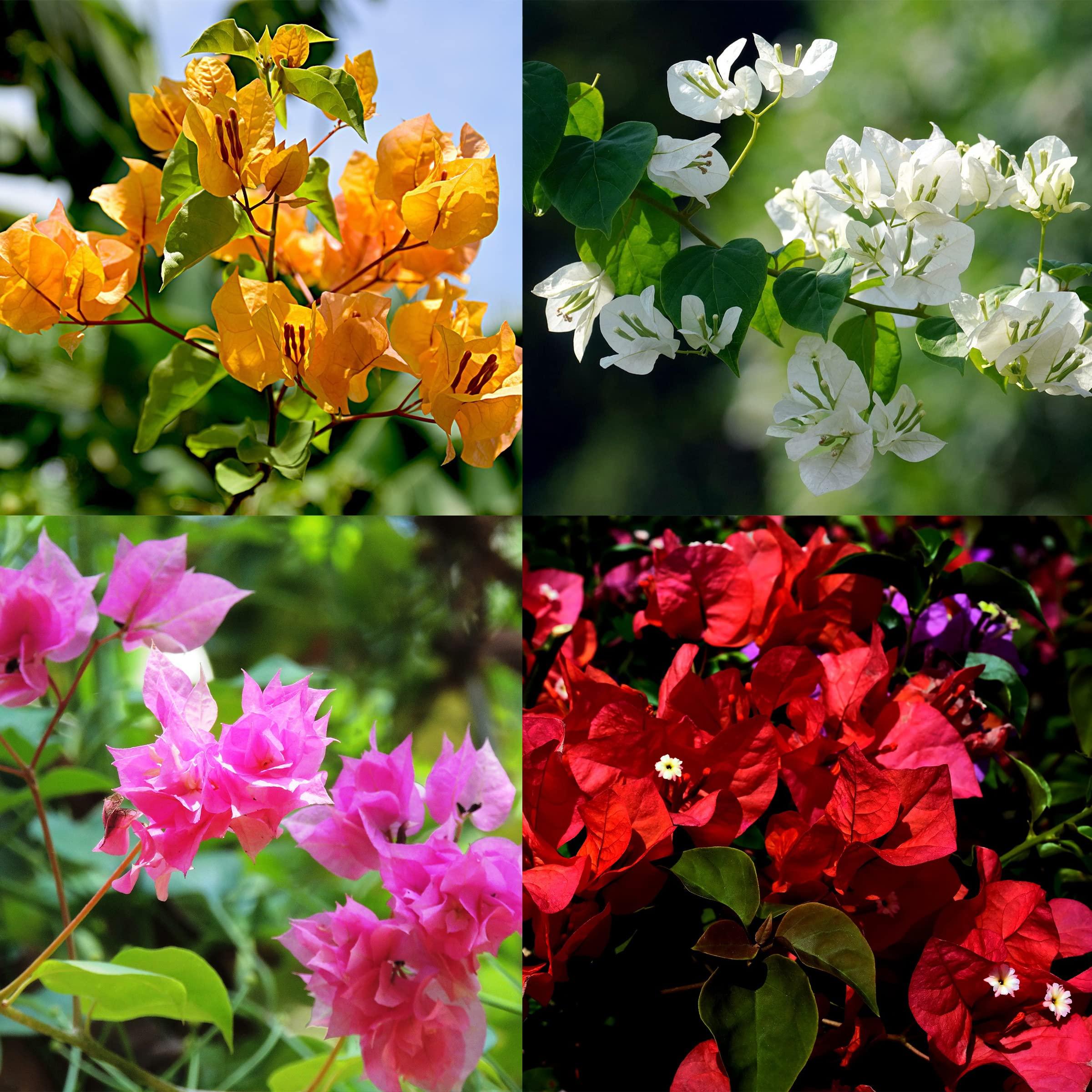
Bougainvillea (multiple colors)


Scientific Name: Bougainvillea spp. Common Name: Bougainvillea, Paper Flower, Buganvilla Family: Nyctaginaceae (Four O'Clock Family) Genus: Bougainvillea Origin: South America (Brazil, Peru, Argentina) Plant Type: Evergreen flowering climber, shrub, or vine
- SKU: PLANT4589
- CATEGORY: Highly demanded
- TAGs: Air Purifying , Low Maintenance
Introduction
Bougainvillea (Bougainvillea spp.) is one of the most spectacular ornamental flowering plants, renowned for its vivid, paper-like bracts that surround tiny white flowers. It is a fast-growing, drought-tolerant climber widely used to decorate walls, fences, pergolas, arches, balconies, gardens, highways, hotels, parks, and commercial landscapes.
Although many people think the colorful parts are the flowers, they are actually modified leaves called bracts. The true flowers are the small white blossoms found at the center of each cluster.
Bougainvillea blooms almost throughout the year in warm climates, making it one of the most popular flowering plants worldwide.
Physical Characteristics
Height
- Climbs 10–40 feet (3–12 meters) depending on the variety and support.
- Shrub varieties generally grow 3–8 feet (1–2.5 meters) tall.
Spread
- Spreads 6–20 feet (2–6 meters) or more.
- Produces long, arching branches.
Stem
- Woody, thorny stems.
- Flexible when young, becoming thicker and stronger with age.
Leaves
- Oval to heart-shaped leaves.
- Bright to dark green.
- Smooth texture.
- Leaves measure 2–5 inches (5–13 cm) long.
Flowers
The actual flowers are:
- Small
- White or cream-colored
- Tubular
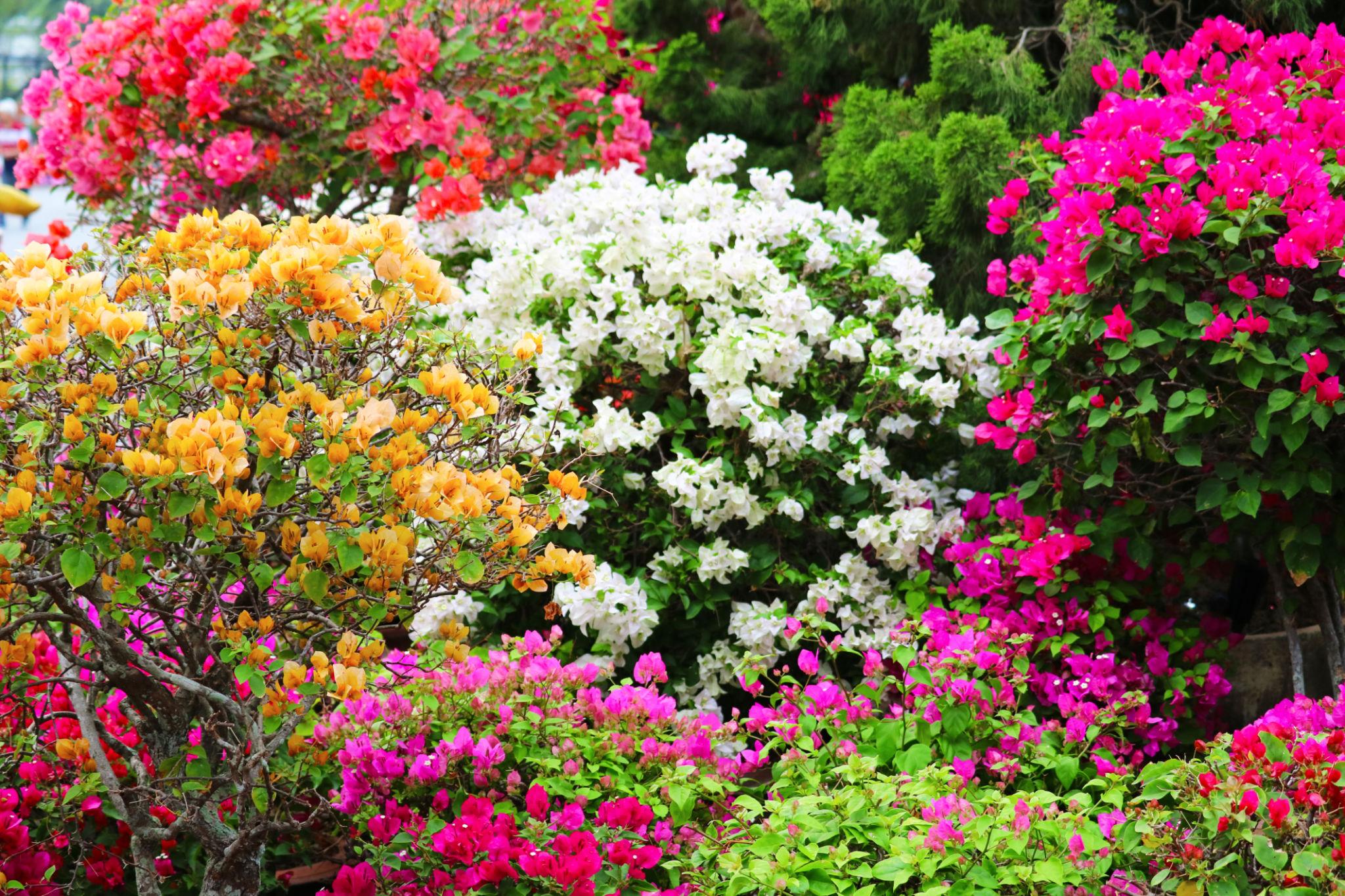
The colorful bracts are available in many shades, including:
- Deep Pink
- Light Pink
- Magenta
- Purple
- Red
- Orange
- Yellow
- White
- Peach
- Salmon
- Golden
- Bi-colored and variegated combinations
Fruits
- Small, dry fruits.
- Rarely noticed in ornamental cultivation.
Propagation
Bougainvillea is propagated mainly by:
1. Stem Cuttings
- The easiest and most common method.
- Use semi-hardwood cuttings.
- Rooting occurs within 4–8 weeks.
2. Air Layering
- Suitable for mature plants.
- Produces strong new plants.
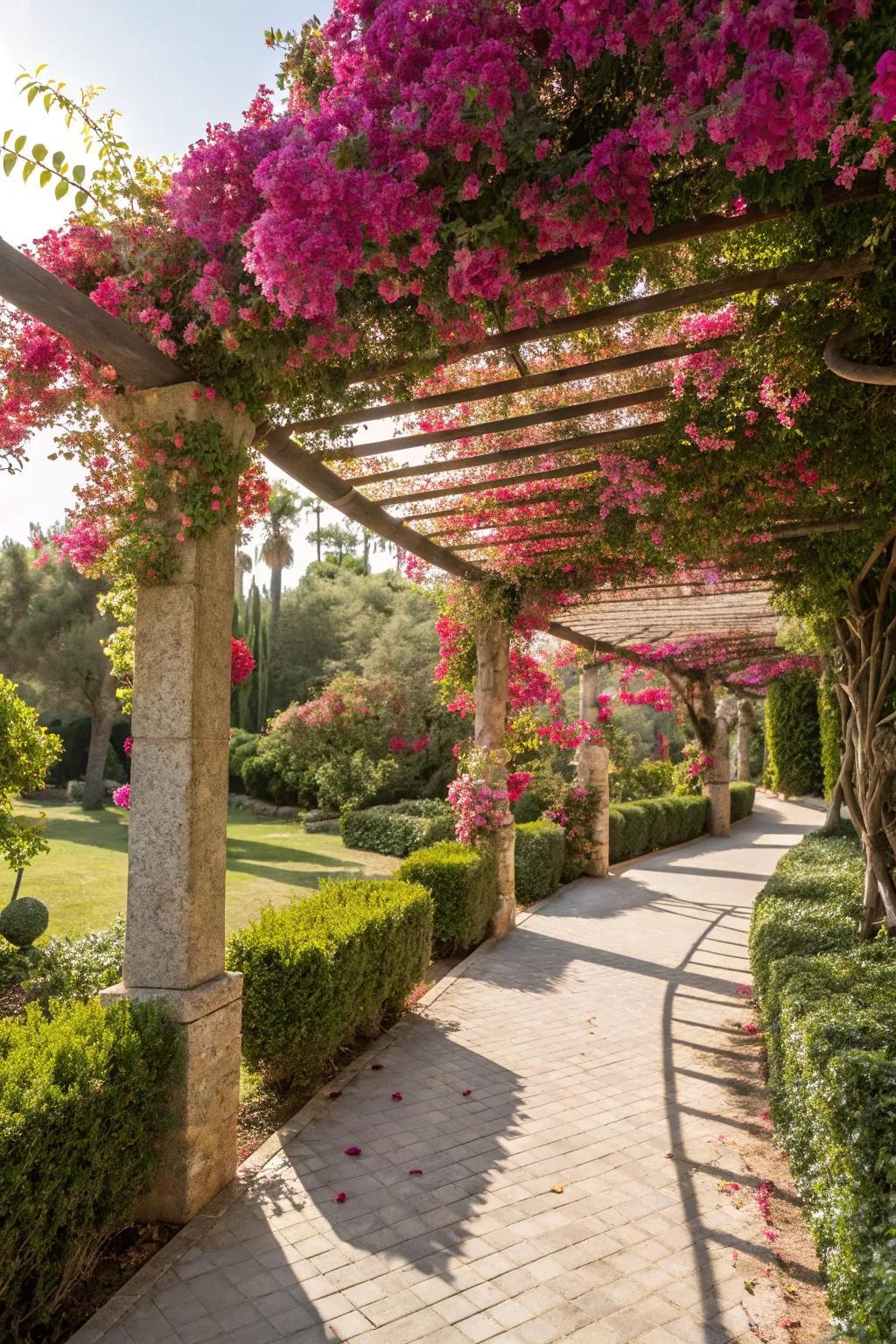
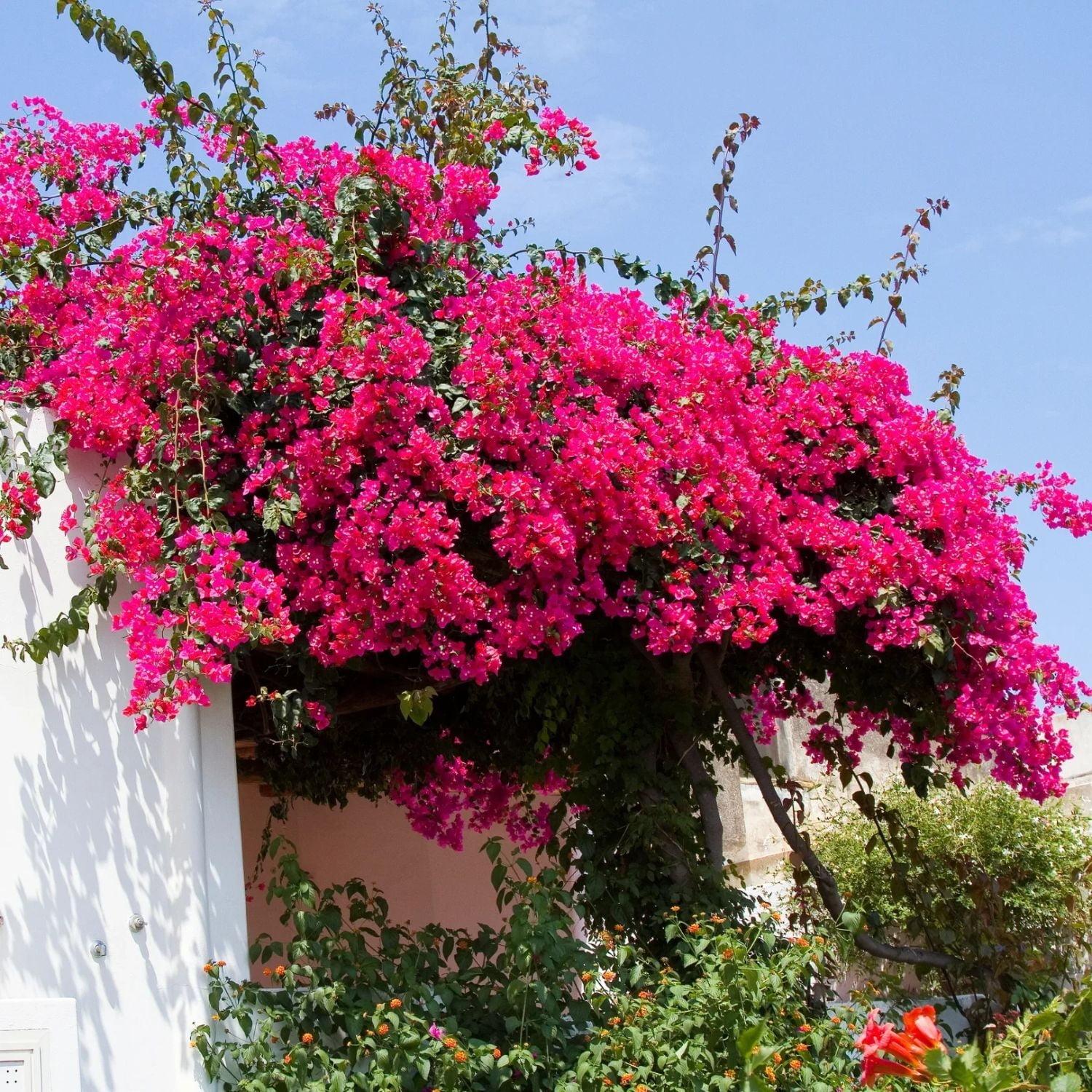
Landscape & Decorative Uses
Bougainvillea is ideal for:
- Garden walls
- Boundary fences
- Pergolas
- Arches
- Gazebos
- Balcony decoration
- Terrace gardens
- Highway landscaping
- Parks
- Resorts and hotels
- Public gardens
- Bonsai cultivation
- Large containers
Common Problems
Aphids
Attack young shoots and flower buds.
Mealybugs
Can infest leaves and stems.
Caterpillars
May chew leaves.
Root Rot
Occurs due to overwatering.
Powdery Mildew
Can develop in humid conditions with poor air circulation.
Maintenance Tips
- Plant in a sunny location.
- Water sparingly once established.
- Prune after each flowering cycle to encourage new growth and more blooms.
- Avoid excessive nitrogen fertilizer, which promotes leaves instead of flowers.
- Wear gloves while pruning because of the sharp thorns.
- Provide strong support for climbing varieties.
- Ensure excellent drainage to prevent root diseases.
Lifespan
With proper care, Bougainvillea can live for 30–50 years or more, producing abundant blooms year after year.
Interesting Facts
- The colorful "flowers" of Bougainvillea are actually paper-like bracts, while the true flowers are the tiny white blooms in the center.
- It was named after the French explorer Louis Antoine de Bougainville, who introduced the plant to Europe.
- Bougainvillea is one of the most drought-tolerant ornamental plants, making it ideal for water-wise landscaping.
- It can be trained as a climber, shrub, hedge, bonsai, or even a small tree through pruning.
- Modern cultivars include single-color, double-flowered, variegated-leaf, and multi-colored varieties, offering a wide range of landscaping options.
Growing Requirements
Sunlight
- Requires full sun.
- Needs 6–8 hours of direct sunlight daily for abundant flowering.
- Less sunlight results in fewer blooms.
Temperature
- Ideal temperature: 20°C–35°C (68°F–95°F).
- Thrives in tropical and subtropical climates.
- Sensitive to frost.
Soil
- Well-drained sandy or loamy soil.
- Soil pH: 5.5–7.0.
- Avoid heavy clay and waterlogged soils.
Watering
- Water deeply but infrequently.
- Allow the soil to dry slightly between waterings.
- Mature plants are highly drought tolerant.
Fertilizer
Apply a balanced fertilizer every 6–8 weeks during the growing season.
Recommended nutrients:
- Nitrogen (N)
- Phosphorus (P)
- Potassium (K)
A fertilizer with slightly higher phosphorus encourages more flowering.
Growth Rate
- Fast-growing.
- Can grow 3–6 feet (1–2 meters) annually under favorable conditions.