
Product
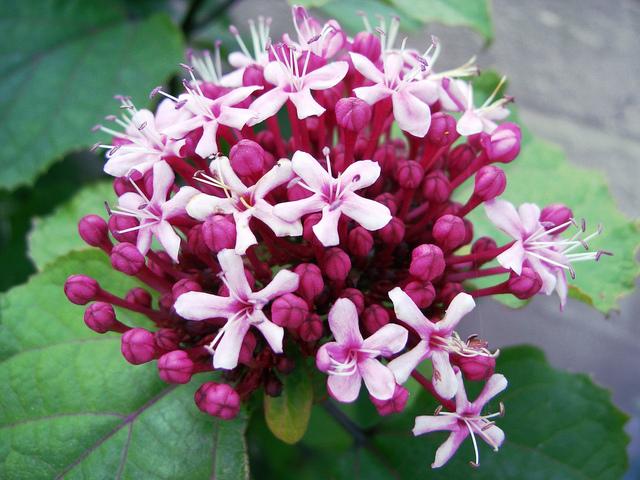
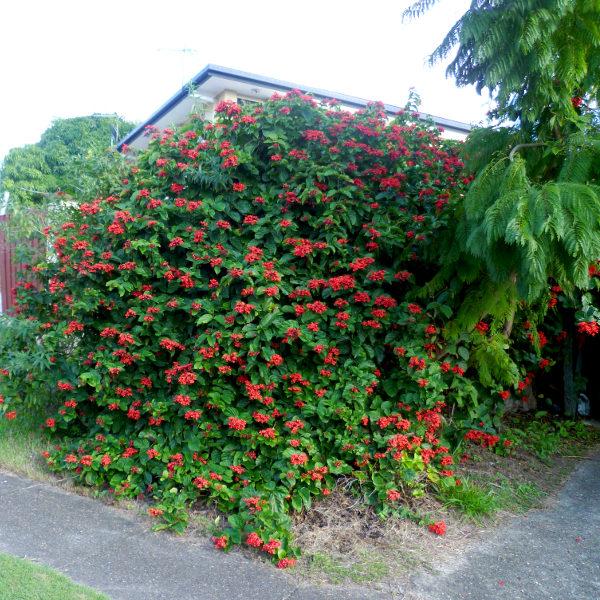
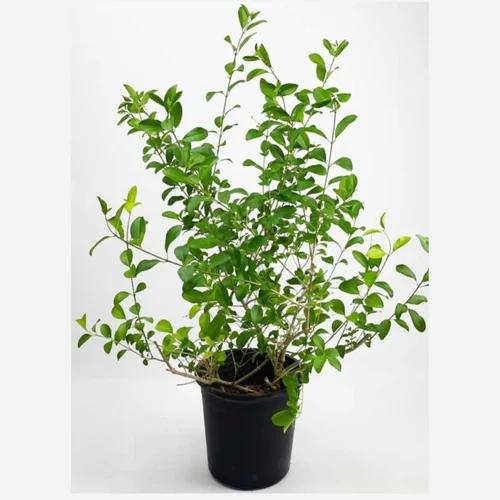
Clerodendrum


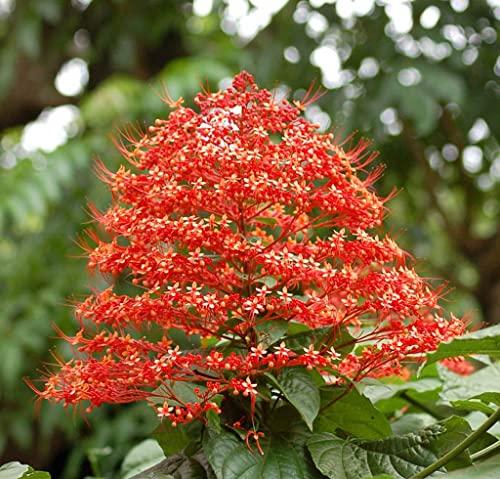
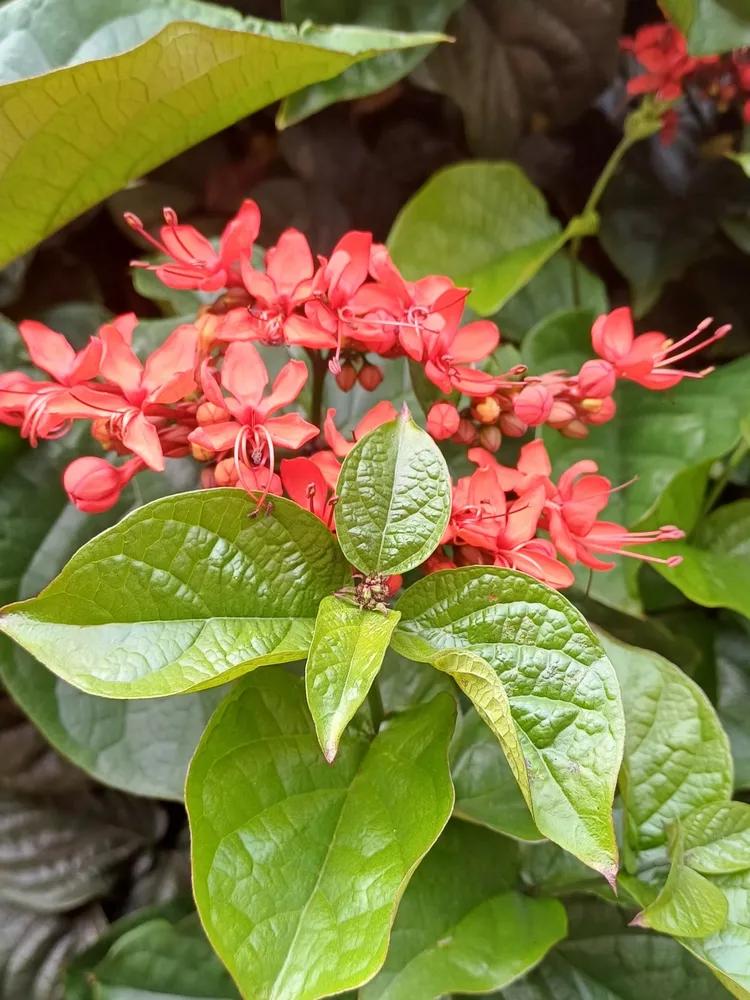
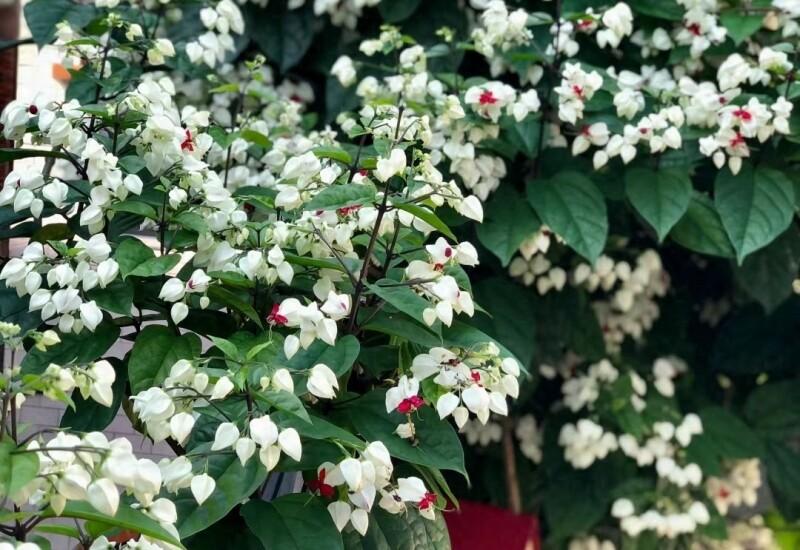
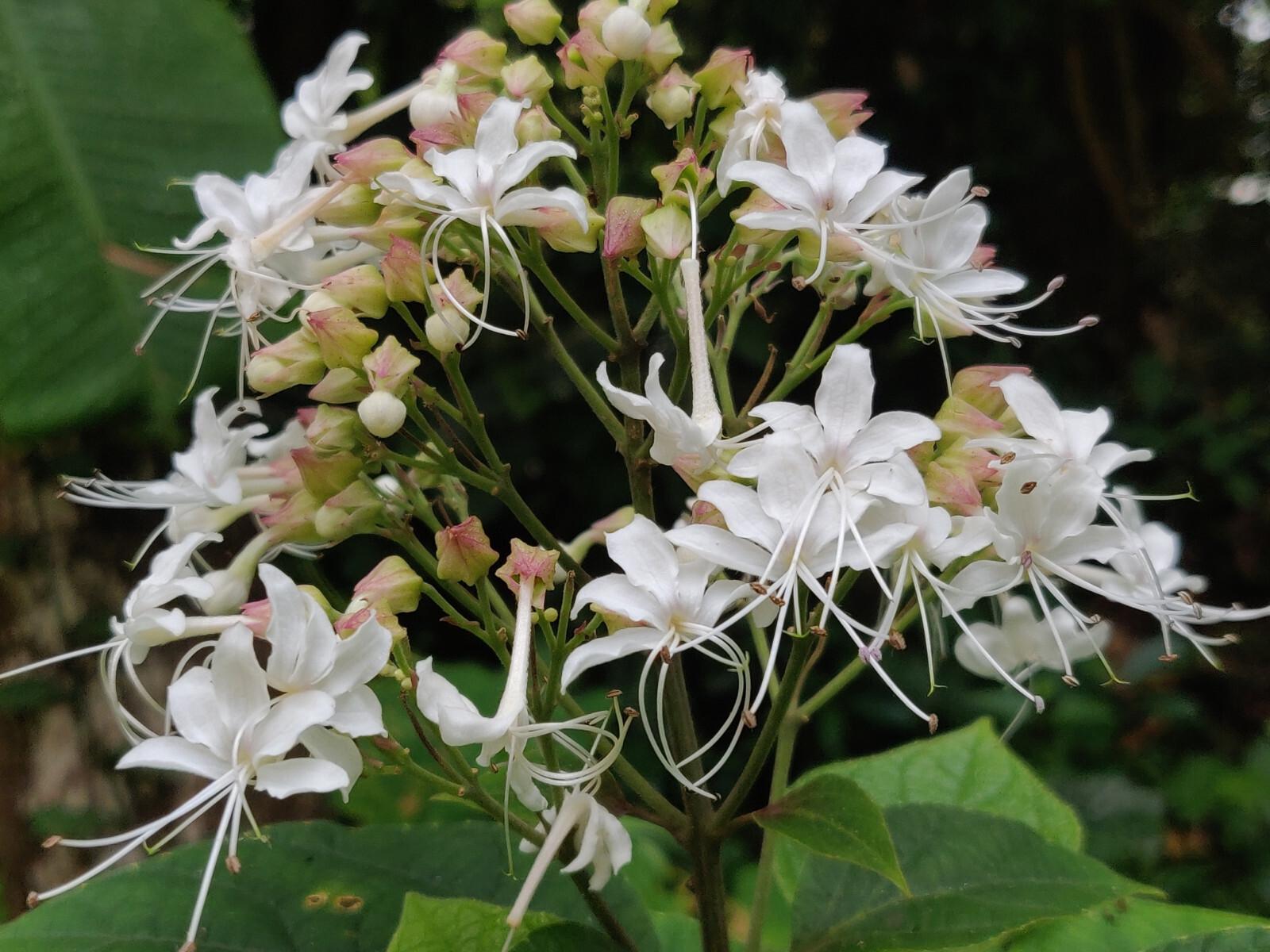
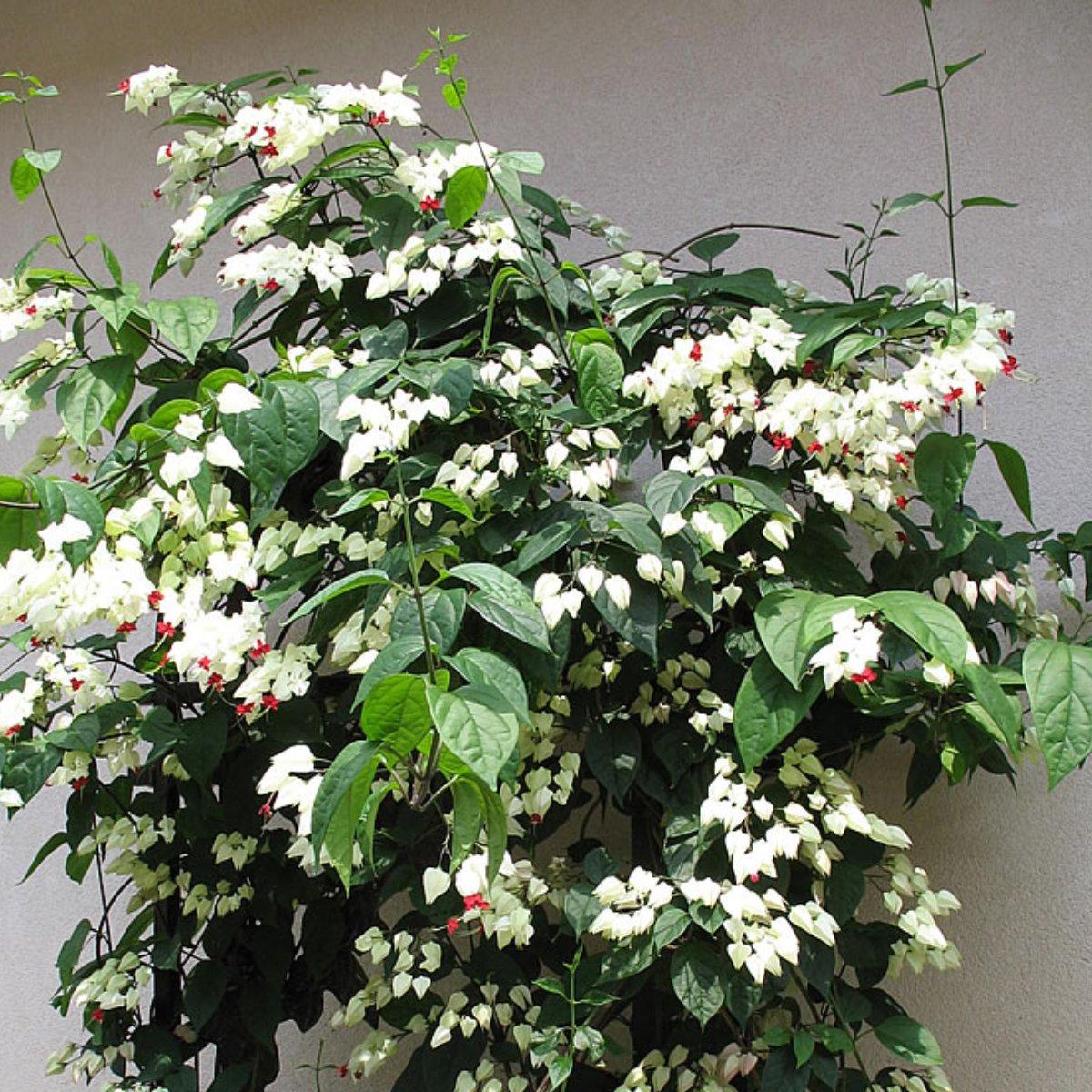
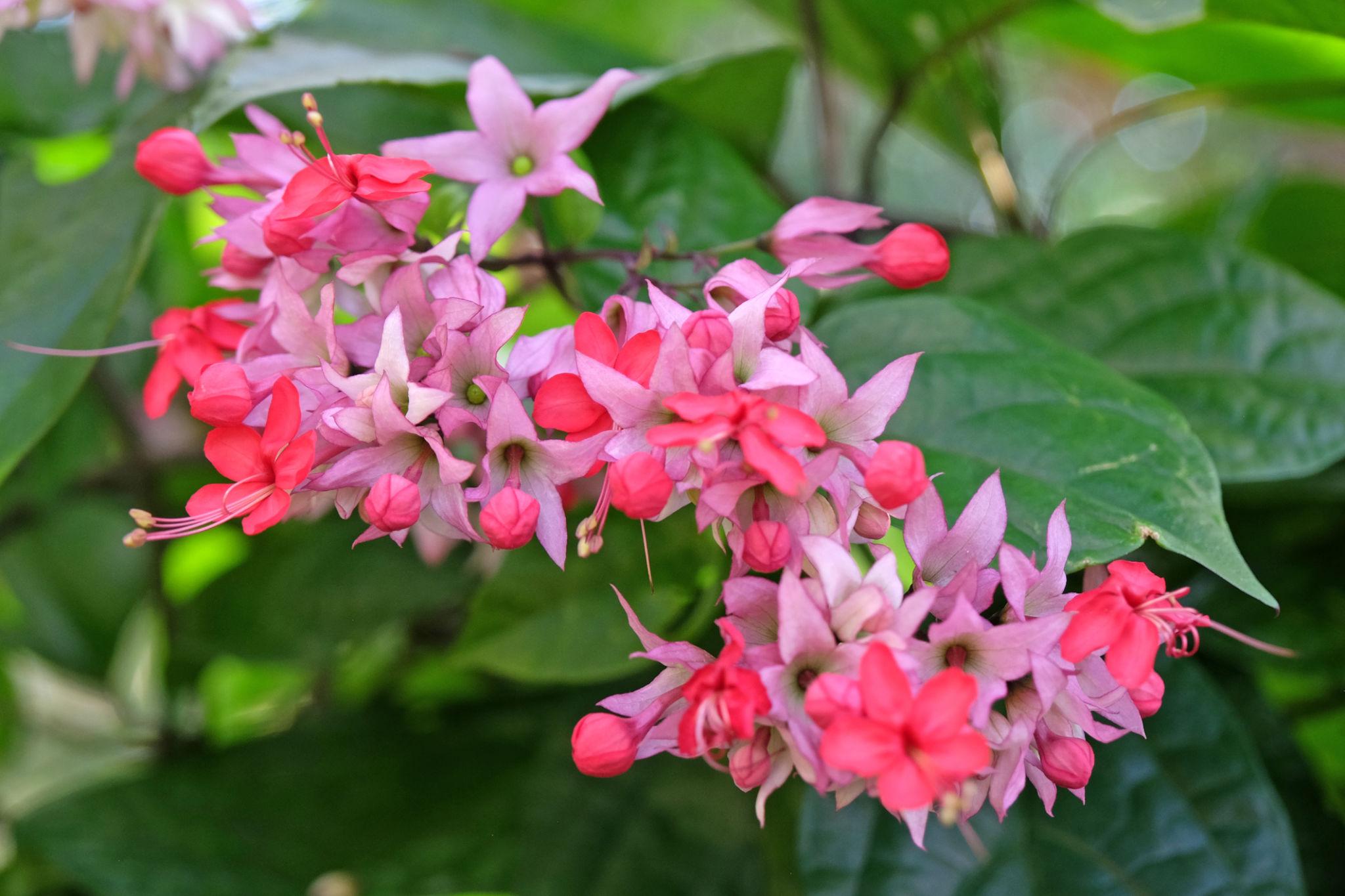
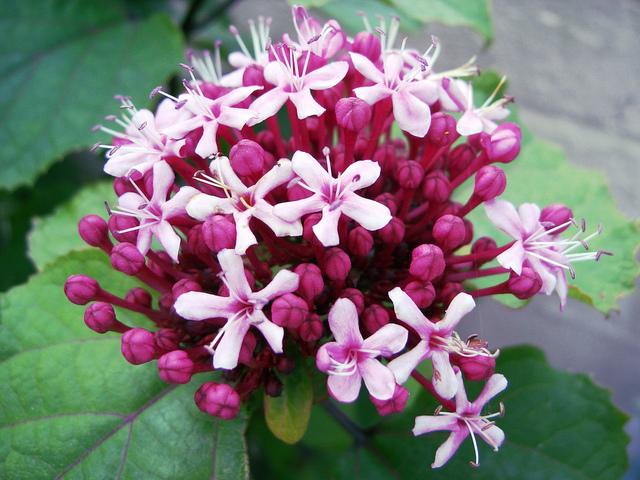
Clerodendrum thomsoniae – a popular ornamental climber with white and red flowers. Clerodendrum paniculatum – known for its large pyramid-shaped clusters of orange-red flowers. Clerodendrum inerme – often used as a hedge in coastal areas. Clerodendrum chinense – fragrant white or pink flower clusters.
- SKU: PLANT4589
- CATEGORY: Hedges and shrubs
- TAGs: Air Purifying , Low Maintenance
Plant Description
Clerodendrum is a beautiful ornamental flowering plant grown for its colorful flowers, attractive foliage, and long blooming season. The genus includes more than 300 species, ranging from compact shrubs to vigorous climbing vines. Many species produce fragrant flowers that attract butterflies, bees, and hummingbirds, making them excellent additions to ornamental gardens and landscapes.
The plant is valued for its dense green foliage and spectacular flower clusters. Depending on the species, flowers may be white, red, pink, purple, blue, orange, or combinations of these colors. Several species continue flowering for many months under warm conditions.
Plant Characteristics
- Height: 1–6 meters (depending on species)
- Spread: 1–4 meters
- Growth Rate: Moderate to fast
- Plant Habit: Bushy shrub, climber, or small tree
- Lifespan: Perennial
Leaves
- Dark green and glossy.
- Broad, oval to heart-shaped.
- Soft texture with prominent veins.
- Leaves remain attractive throughout the growing season.
Flowers
- Produced in attractive terminal clusters.
- Available in white, red, pink, orange, purple, or blue shades.
- Some species are highly fragrant.
- Rich in nectar and highly attractive to butterflies and bees.
- Blooming season generally extends from spring through autumn, with flowering nearly year-round in warm tropical climates.
Uses
Ornamental
- Garden borders
- Hedges
- Flower beds
- Landscape planting
- Container gardening
- Pergolas and trellises (climbing species)
Ecological Benefits
- Attracts butterflies, bees, and other beneficial pollinators.
- Enhances biodiversity in gardens.
Traditional Uses
Some Clerodendrum species have been used in traditional medicine for treating fever, inflammation, skin disorders, digestive problems, and respiratory ailments. These medicinal uses vary by species and should not be considered a substitute for professional medical advice.
Common Pests and Diseases
Pests
- Aphids
- Mealybugs
- Spider mites
- Whiteflies
Diseases
- Leaf spot
- Powdery mildew
- Root rot (caused by excessive watering)
Regular inspection and proper watering practices help prevent most problems.
Landscape Value
Clerodendrum is highly valued for its long flowering period, lush green foliage, and ability to attract pollinators. It is suitable for tropical and subtropical landscapes, public gardens, parks, residential gardens, and large decorative containers.
Growing Conditions
Sunlight
- Full sun to partial shade.
- Best flowering occurs with 5–6 hours of direct sunlight daily.
Temperature
- Ideal: 20°C–35°C
- Sensitive to frost and prolonged cold weather.
Soil
- Fertile, well-drained loamy soil.
- Rich in organic matter.
- Soil pH: 6.0–7.5
Watering
- Water regularly during summer.
- Keep soil evenly moist but not waterlogged.
- Reduce watering during winter.
Fertilizer
- Apply well-rotted compost every 2–3 months.
- Use a balanced NPK (19:19:19) fertilizer once a month during the growing season.
- Organic manure improves flowering and plant health.
Propagation
Clerodendrum can be propagated by:
- Stem cuttings (most common)
- Air layering
- Seeds (certain species)
Stem cuttings root easily during spring and the rainy season.
Pruning
- Remove dead or damaged branches regularly.
- Prune after the flowering season to maintain shape.
- Light pruning encourages bushier growth and more flowers.