

Product
Coleus


Scientific Name: Plectranthus scutellarioides (formerly Coleus blumei) Common Name: Coleus, Painted Nettle, Flame Nettle Family: Lamiaceae (Mint Family) Genus: Plectranthus Origin: Southeast Asia, Indonesia, Malaysia, and Northern Australia Plant Type: Evergreen ornamental foliage plant
- SKU: PLANT4589
- CATEGORY: Balconies and terraces
- TAGs: Air Purifying , Low Maintenance
Introduction
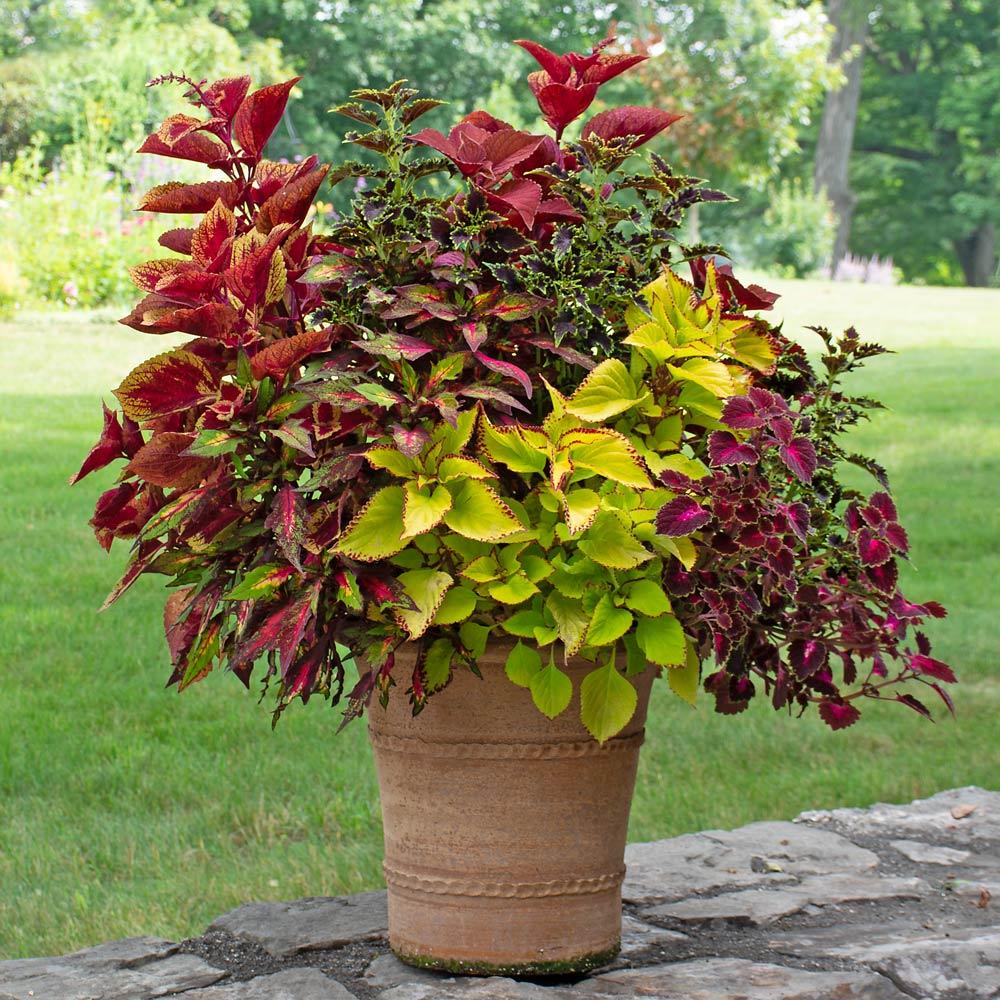
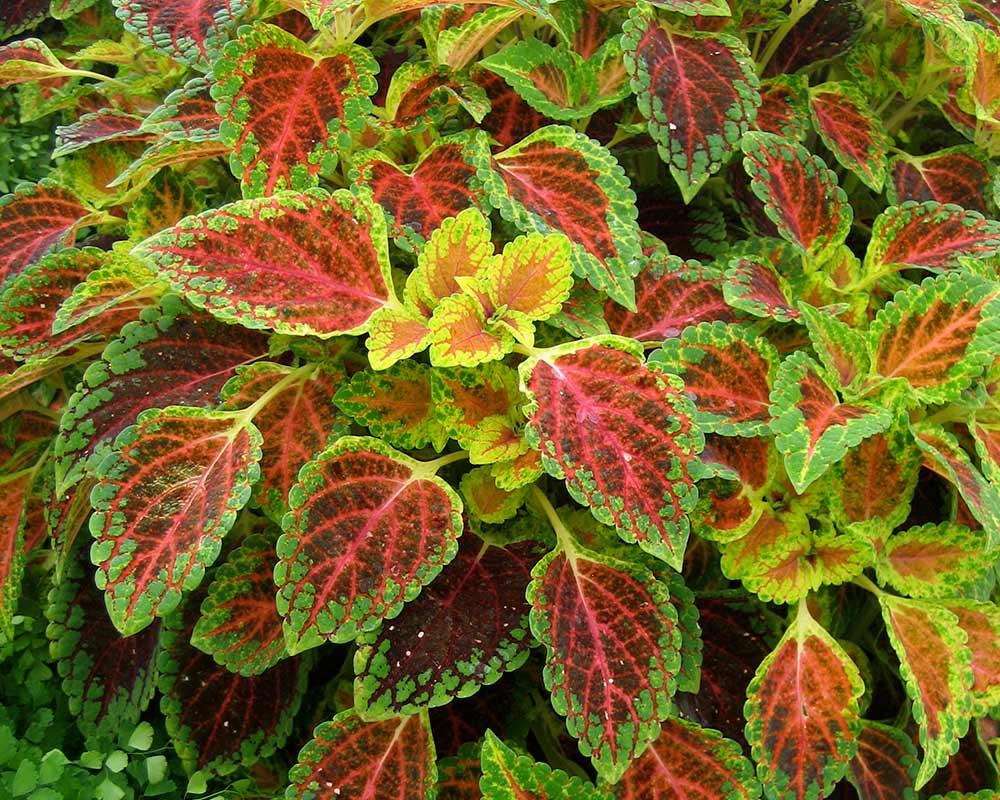
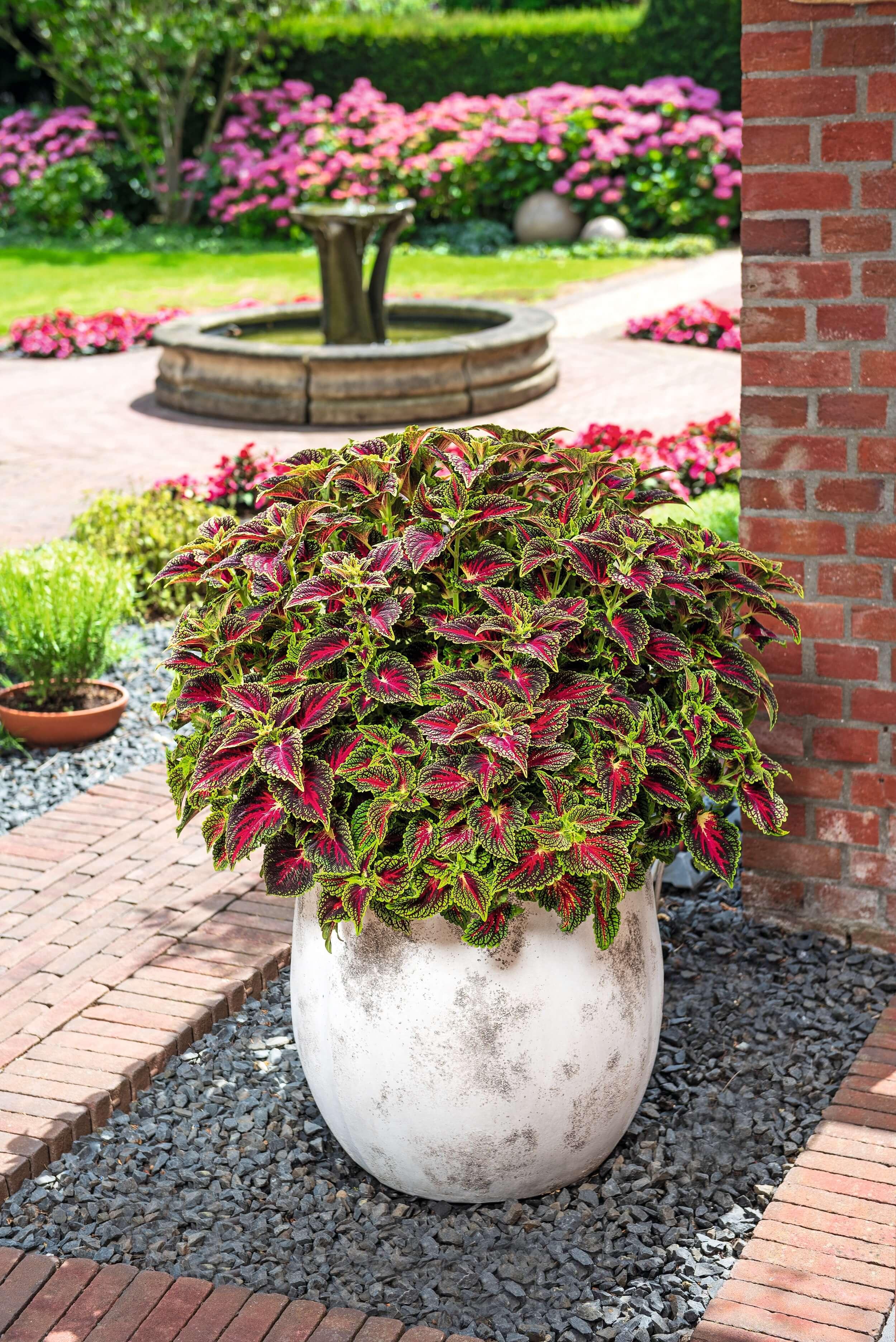
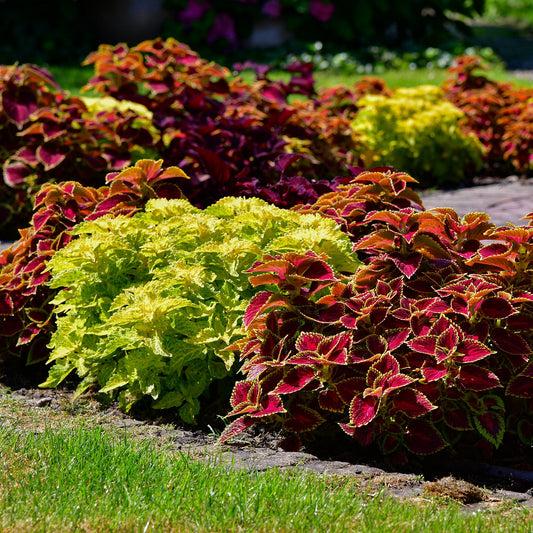
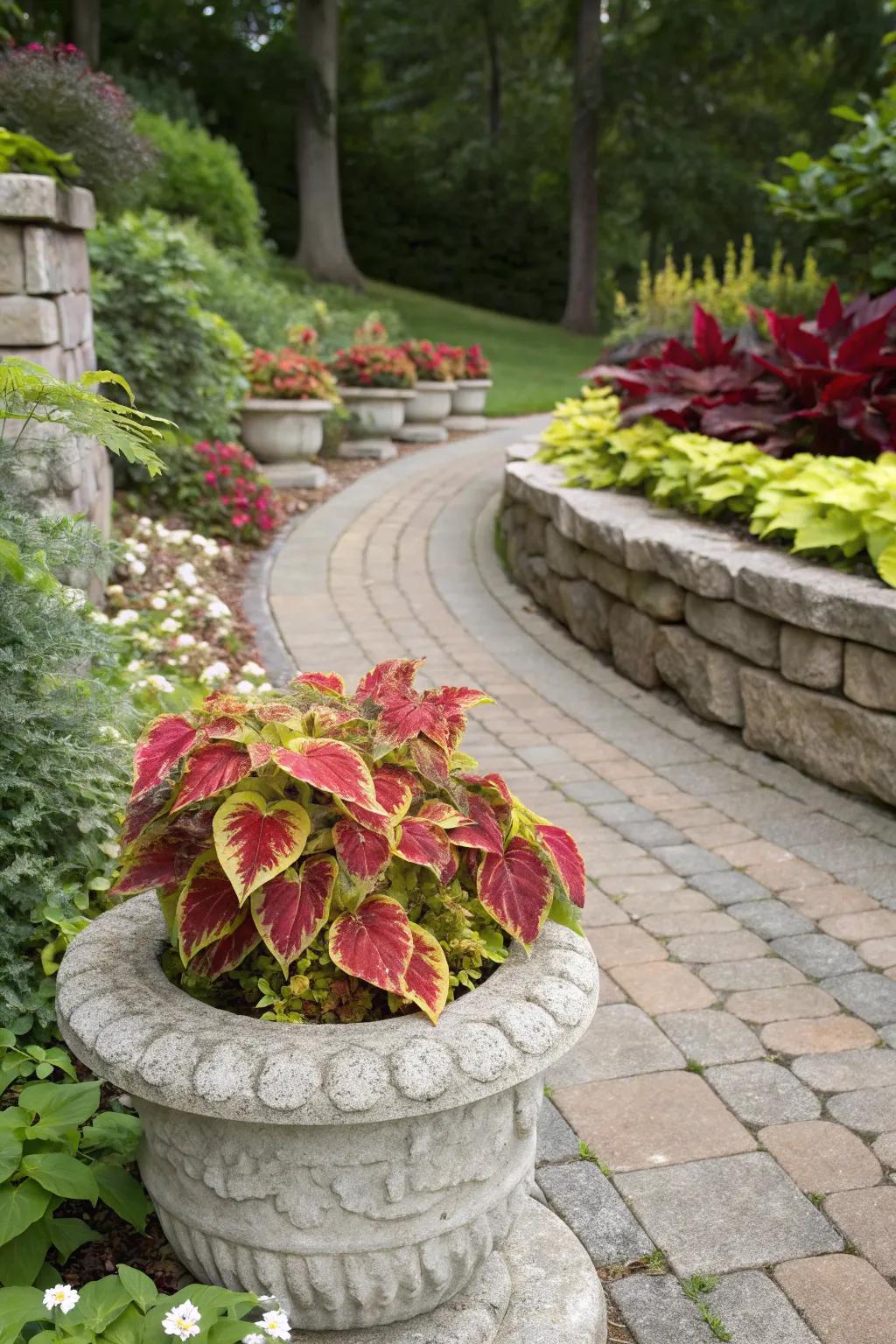
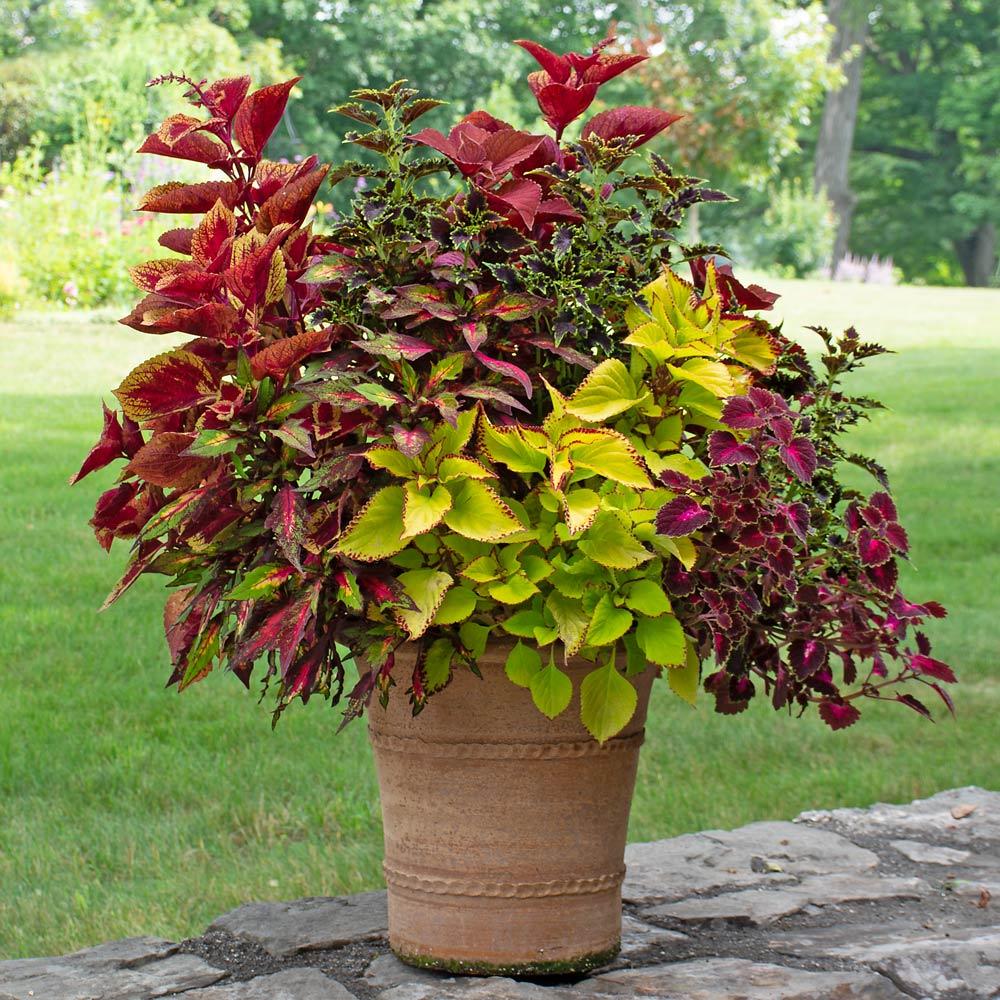
Coleus (Plectranthus scutellarioides) is one of the world's most popular ornamental foliage plants, grown primarily for its spectacular multicolored leaves rather than its flowers. Its foliage displays striking combinations of green, red, pink, purple, yellow, orange, burgundy, cream, and bronze, making it an excellent choice for adding vibrant color to gardens and indoor spaces.
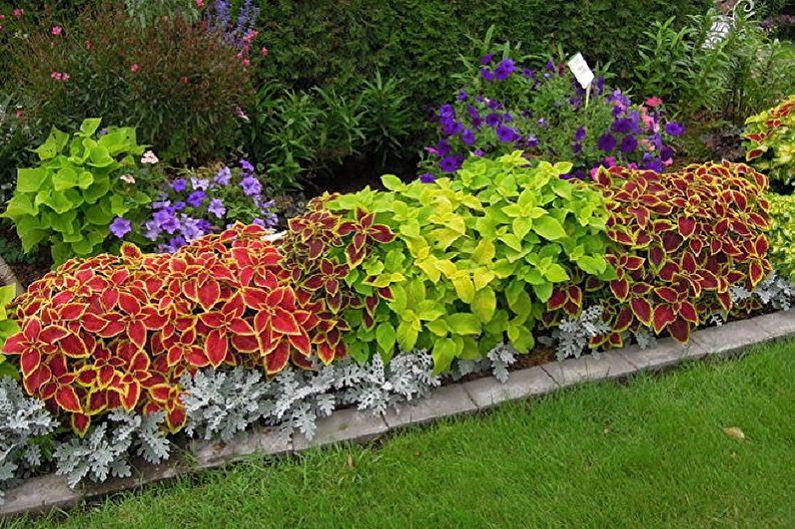
Coleus is widely used in flower beds, borders, containers, hanging baskets, balcony gardens, parks, offices, and indoor decoration due to its rapid growth, ease of maintenance, and adaptability to different environments.
Physical Characteristics
Height
- Typically grows 12–36 inches (30–90 cm) tall.
- Some varieties can reach 4 feet (1.2 meters).
Spread
- Spreads 12–24 inches (30–60 cm) wide.
- Forms a bushy, compact growth habit.
Stem
- Soft, square-shaped stems typical of the mint family.
- Green to reddish in color.
- Becomes slightly woody with age.
Leaves
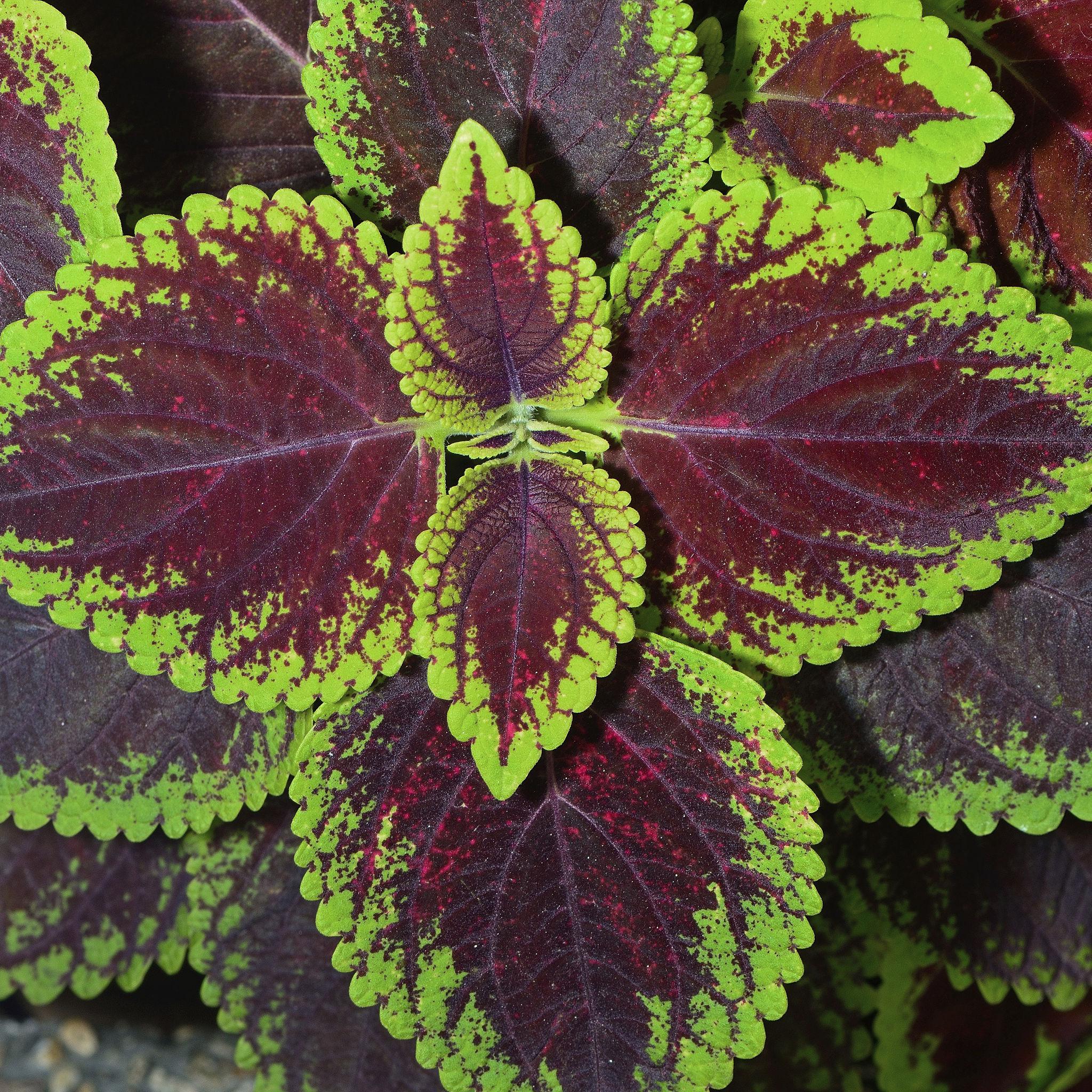
- Large, soft, velvety leaves with serrated or scalloped edges.
- Leaf size ranges from 2–8 inches (5–20 cm).
- Available in countless color combinations, including:
- Green
- Red
- Pink
- Purple
- Yellow
- Orange
- Burgundy
- Cream
- Bronze
- Multi-colored patterns
Flowers
- Small spikes of blue, lavender, or white flowers.
- Flowers are generally removed to encourage better foliage growth.
Fruits
- Produces tiny seeds after flowering, though most ornamental varieties are propagated by cuttings.
Propagation
Coleus is propagated by:
1. Stem Cuttings
- The easiest and most common method.
- Take 4–6 inch (10–15 cm) healthy cuttings.
- Root in water or moist potting mix.
- Rooting occurs within 1–2 weeks.
2. Seeds
- Suitable for some varieties.
- Germination occurs within 10–14 days.
Landscape & Decorative Uses
Coleus is ideal for:
- Flower beds
- Borders
- Containers
- Hanging baskets
- Indoor decoration
- Balcony gardens
- Terrace gardens
- Office interiors
- Public parks
- Tropical landscape designs
Common Problems
Mealybugs
Can infest stems and leaves.
Aphids
Feed on tender shoots.
Spider Mites
Common in hot, dry conditions.
Root Rot
Caused by excessive watering or poor drainage.
Leaf Drop
May occur due to underwatering or sudden temperature changes.
Maintenance Tips
- Plant in fertile, well-drained soil.
- Keep the soil evenly moist.
- Pinch back growing tips regularly to encourage bushier growth.
- Remove flower spikes if the focus is on foliage.
- Fertilize every 2–4 weeks during active growth.
- Protect from frost and harsh afternoon sun.
- Inspect regularly for pests.
Lifespan
Coleus is a short-lived perennial in tropical climates and can live for 3–5 years with proper care. In colder regions, it is often grown as an annual.
Interesting Facts
- Coleus is prized more for its vivid foliage than its flowers.
- It belongs to the mint family (Lamiaceae), which also includes basil, rosemary, and sage.
- There are hundreds of cultivars, offering an incredible variety of leaf shapes, sizes, and color combinations.
- It is one of the easiest ornamental plants to propagate from stem cuttings.
- Modern sun-tolerant varieties have expanded its use in landscape design.
Growing Requirements
Sunlight
- Prefers partial shade or bright indirect light.
- Some modern cultivars tolerate full sun if kept well-watered.
- Too much intense sunlight may fade leaf colors in shade-loving varieties.
Temperature
- Ideal temperature: 18°C–30°C (64°F–86°F).
- Sensitive to frost.
- Thrives in warm, humid climates.
Soil
- Rich, fertile, well-drained soil.
- Soil pH: 6.0–7.0.
- Organic matter improves growth.
Watering
- Keep soil consistently moist but not soggy.
- Water when the top layer of soil begins to dry.
- Avoid prolonged dryness.
Fertilizer
Apply a balanced liquid fertilizer every 2–4 weeks during the growing season.
Recommended nutrients:
- Nitrogen (N)
- Phosphorus (P)
- Potassium (K)
Growth Rate
- Fast-growing.
- Can reach mature size within 2–3 months under ideal conditions.