

Product
Golden Shower Tree


Common Name: Golden Shower Tree, Amaltas, Indian Laburnum, Purging Cassia Botanical Name: Cassia fistula Family: Fabaceae (Legume Family) Plant Type: Deciduous ornamental flowering tree Origin: Indian Subcontinent and Southeast Asia
- SKU: PLANT4589
- CATEGORY: Ornamental trees
- TAGs: Air Purifying , Low Maintenance
Plant Description
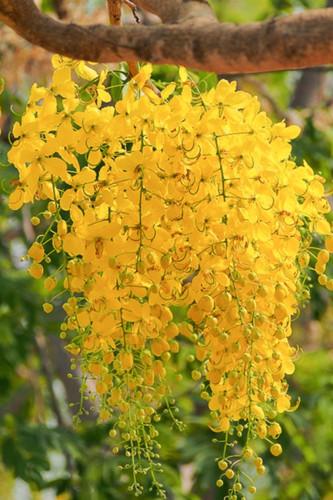
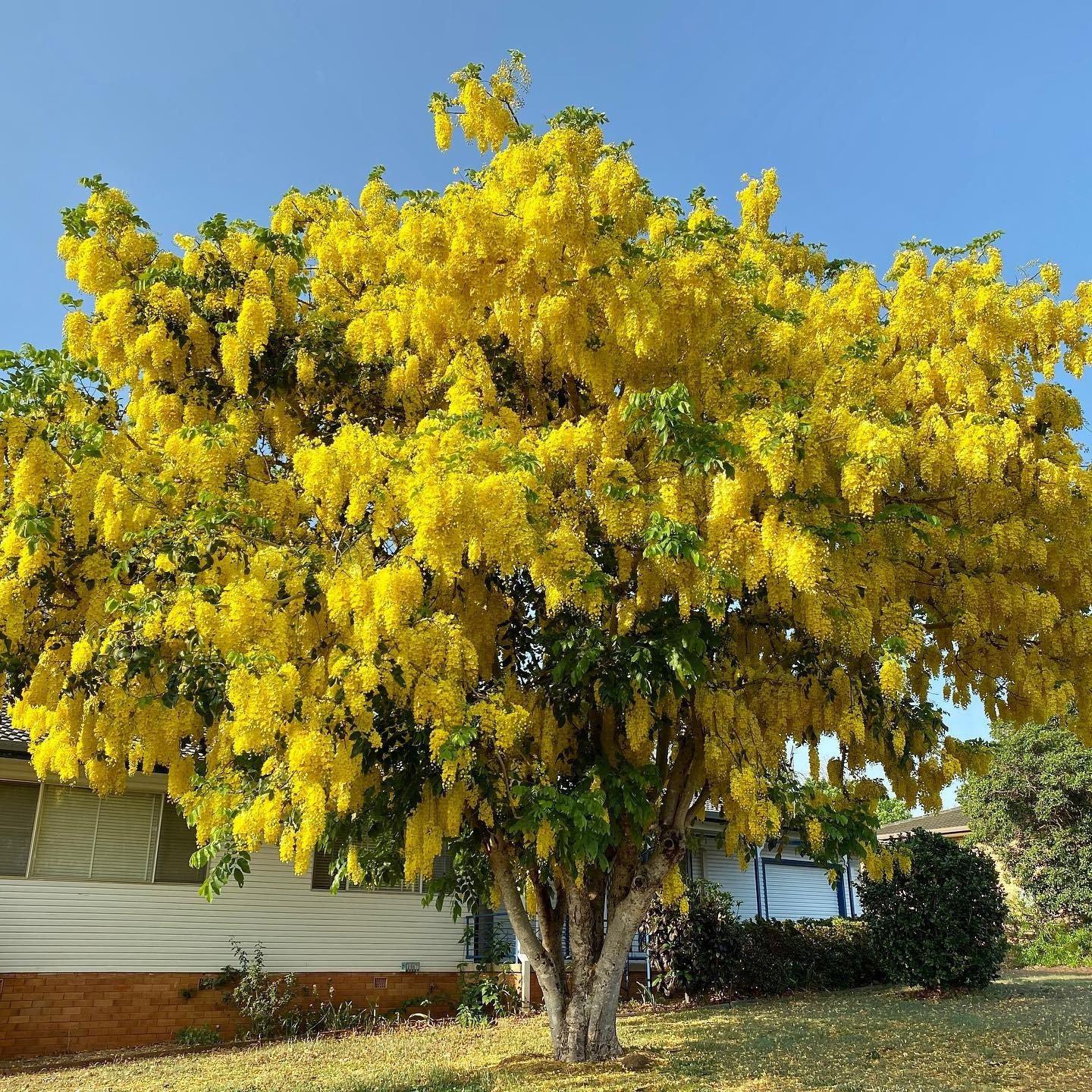
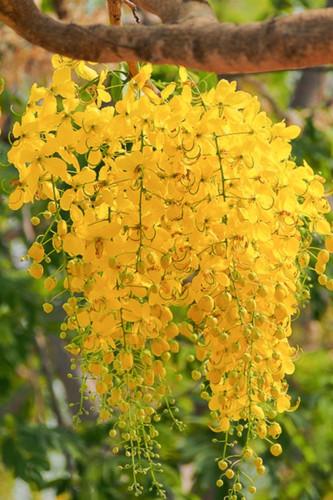
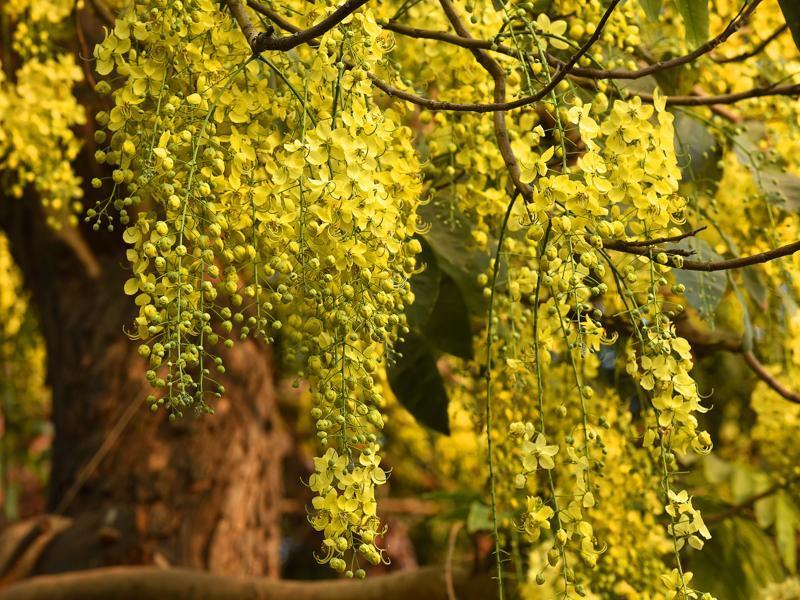
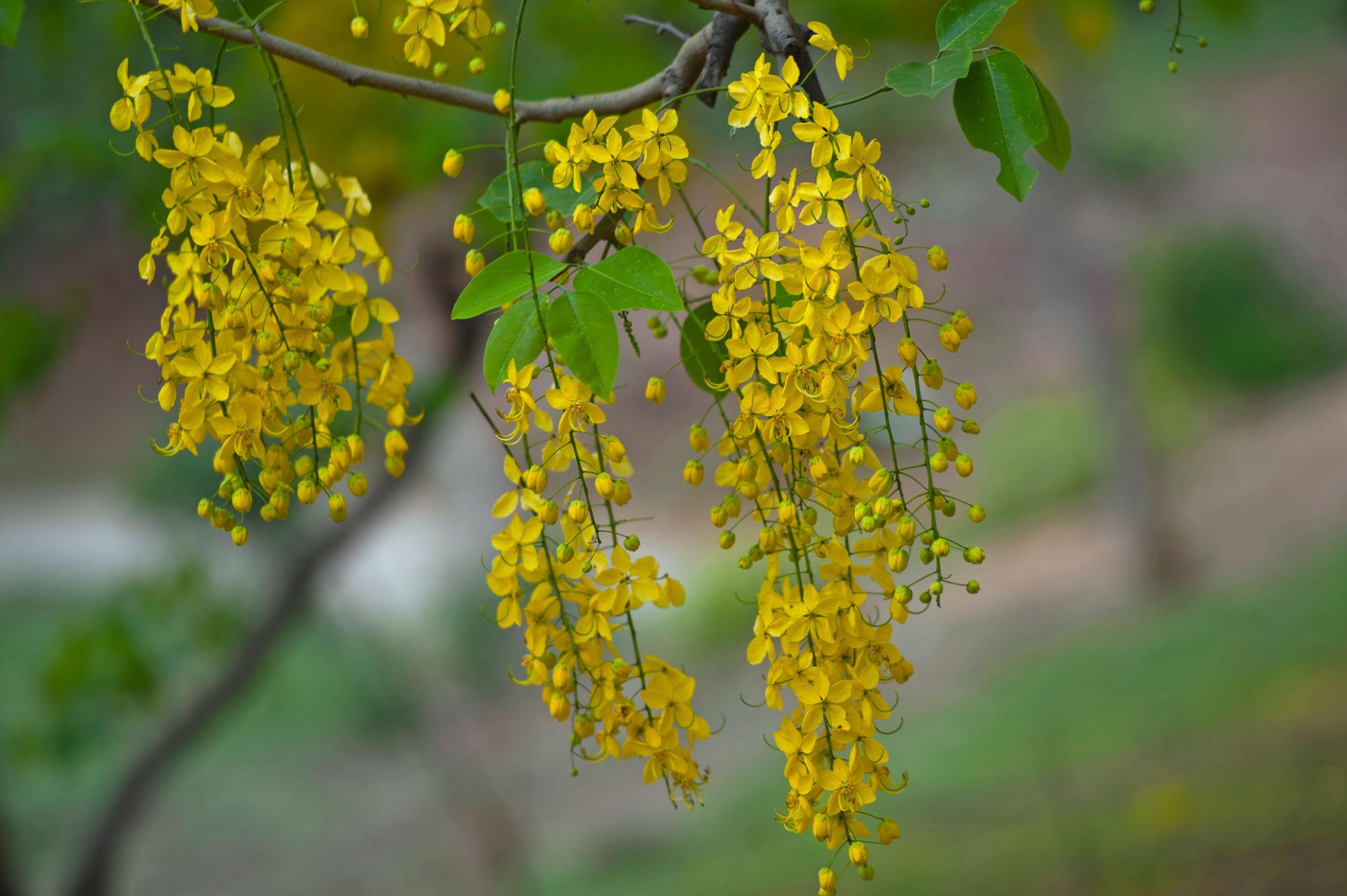
Golden Shower Tree (Cassia fistula), popularly known as Amaltas, is one of the most spectacular flowering trees, admired for its cascading clusters of brilliant golden-yellow flowers. During the flowering season, the tree is almost completely covered with long, pendulous flower clusters, creating a breathtaking display.
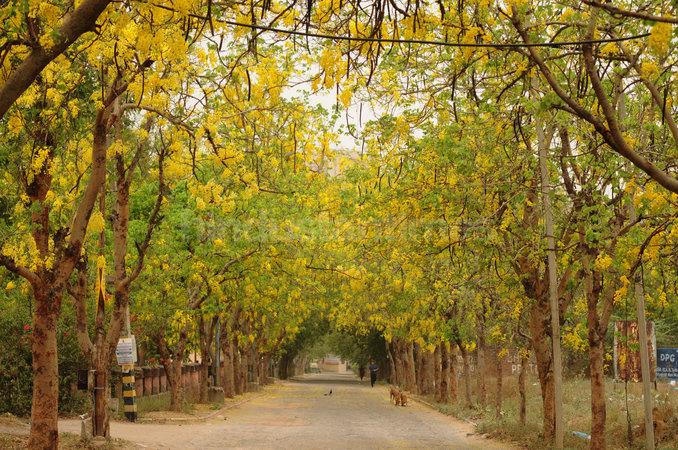
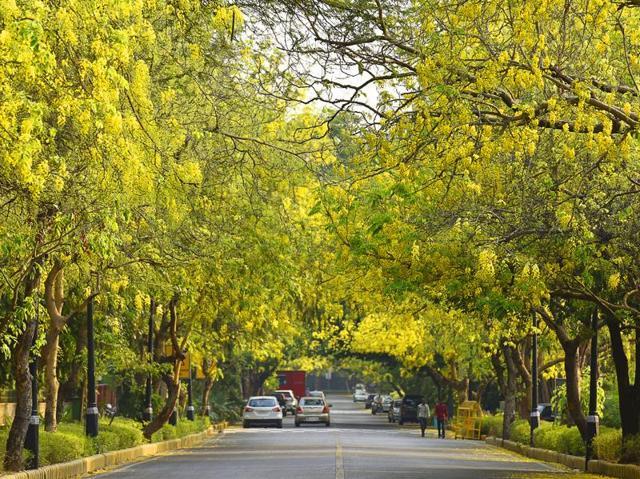
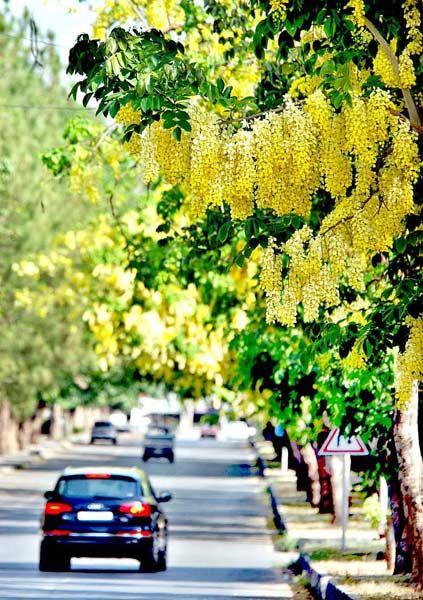
It is widely planted along roadsides, parks, gardens, educational institutions, and public spaces due to its ornamental beauty, drought tolerance, and low maintenance requirements. In India, the Golden Shower Tree is also the State Flower of Kerala and holds cultural and medicinal significance.
Plant Characteristics
- Height: 8–15 meters
- Spread: 6–10 meters
- Growth Rate: Moderate to fast
- Plant Habit: Upright tree with a rounded, open canopy
- Lifespan: Perennial
- Evergreen: Deciduous
Leaves
- Compound leaves with 4–8 pairs of oval leaflets.
- Bright green, smooth, and leathery.
- Leaves are shed before or during flowering, making the golden blossoms more prominent.
Flowers
- Bright golden-yellow flowers arranged in long, drooping clusters (20–50 cm long).
- Mildly fragrant and rich in nectar.
- Attracts bees, butterflies, and other pollinators.
- Flowers appear before or along with new leaves, giving the tree a striking appearance.
Flowering Season
- Summer (April–June) in most parts of India.
- Flowering may extend into the early monsoon depending on local climate.
Fruits
- Produces long, cylindrical, dark brown to black seed pods.
- Pod length: 30–60 cm.
- Pods remain on the tree for many months after flowering.
- Contains numerous hard seeds separated by sweet, sticky pulp.
Uses
Ornamental Uses
- Avenue planting
- Parks and public gardens
- Residential landscapes
- Institutional campuses
- Temple and heritage gardens
Environmental Benefits
- Provides light to moderate shade.
- Attracts pollinators and supports biodiversity.
- Helps improve urban greenery and air quality.
Traditional & Medicinal Uses
In traditional medicine, different parts of the tree—including the pods, pulp, leaves, bark, and flowers—have been used for their mild laxative, antimicrobial, and anti-inflammatory properties. These uses are part of traditional practices and should not replace professional medical advice.
Common Pests and Diseases
Pests
- Aphids
- Caterpillars
- Scale insects
- Mealybugs
Diseases
- Leaf spot
- Powdery mildew
- Root rot (in poorly drained soil)
Good drainage, proper spacing, and regular monitoring help keep the tree healthy.
Landscape Value
Golden Shower Tree is regarded as one of the finest flowering avenue trees due to its spectacular yellow flower cascades and adaptability to tropical climates. It is ideal for roadsides, parks, large gardens, institutional campuses, and urban landscapes, where its vibrant seasonal display becomes a major attraction.
Growing Conditions
Sunlight
- Requires full sunlight.
- Needs 6–8 hours of direct sunlight daily for profuse flowering.
Temperature
- Ideal: 20°C–38°C
- Thrives in hot tropical and subtropical climates.
- Tolerates high summer temperatures but is sensitive to severe frost.
Soil
- Well-drained sandy, loamy, or slightly clayey soil.
- Adapts well to a wide range of soil types.
- Soil pH: 6.0–7.8
Watering
- Water regularly while the tree is establishing.
- Mature trees are drought tolerant.
- Avoid prolonged waterlogging.
Fertilizer
- Apply well-rotted compost or farmyard manure once or twice a year.
- Use a balanced NPK (10:10:10 or 19:19:19) fertilizer during the growing season to support healthy growth and flowering.
Propagation
Golden Shower Tree can be propagated through:
- Seeds (most common)
- Stem cuttings (less common)
- Grafting (occasionally for selected varieties)
Seed Tip: Scarify the hard seed coat or soak seeds in warm water for 12–24 hours before sowing to improve germination.
Pruning
- Prune young trees to develop a strong framework.
- Remove dead, diseased, or crossing branches.
- Minimal pruning is required for mature trees.
Maintenance Tips
- Plant in an open, sunny location.
- Water deeply during the establishment period.
- Apply compost annually.
- Avoid excessive pruning.
- Ensure good drainage to prevent root diseases.