

Product
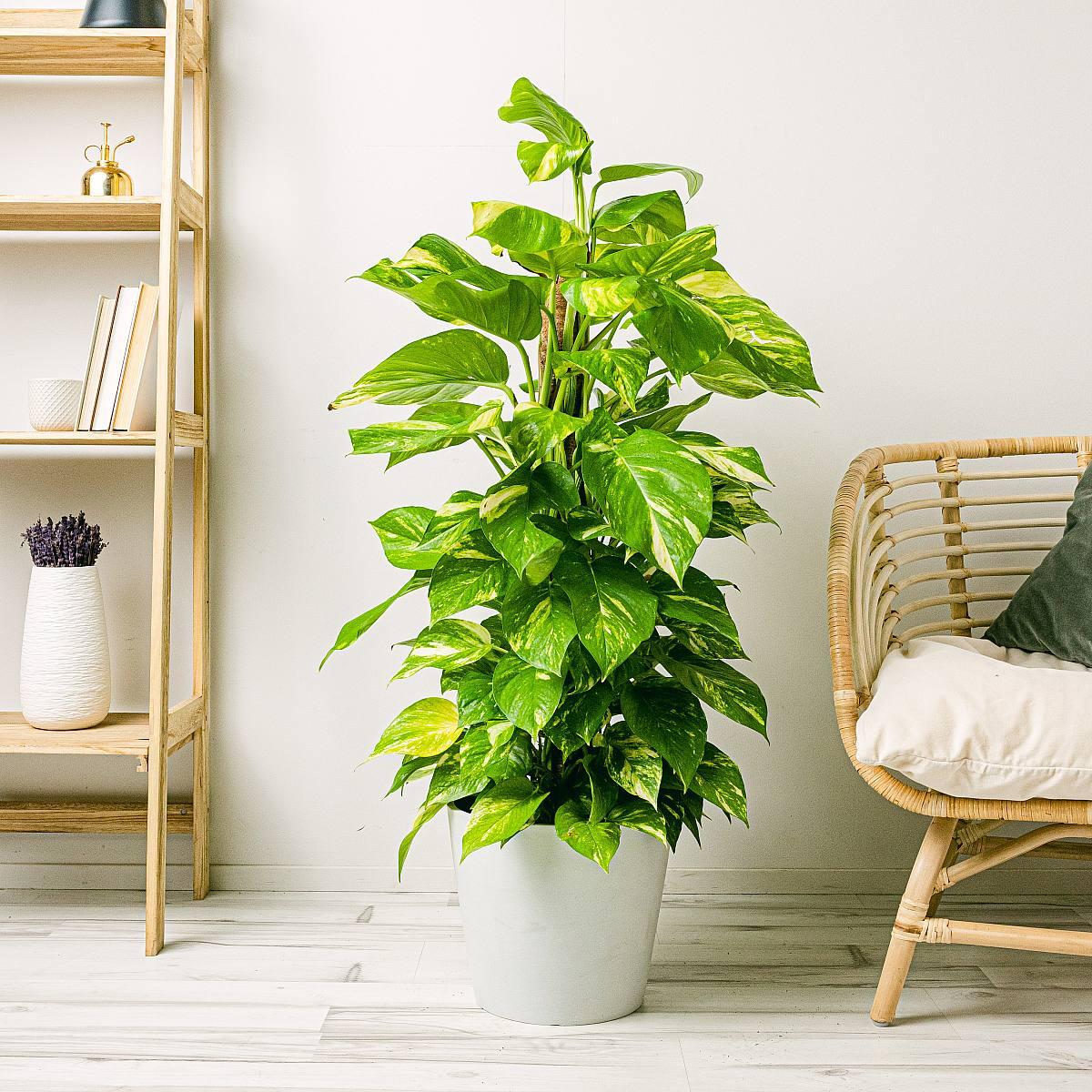
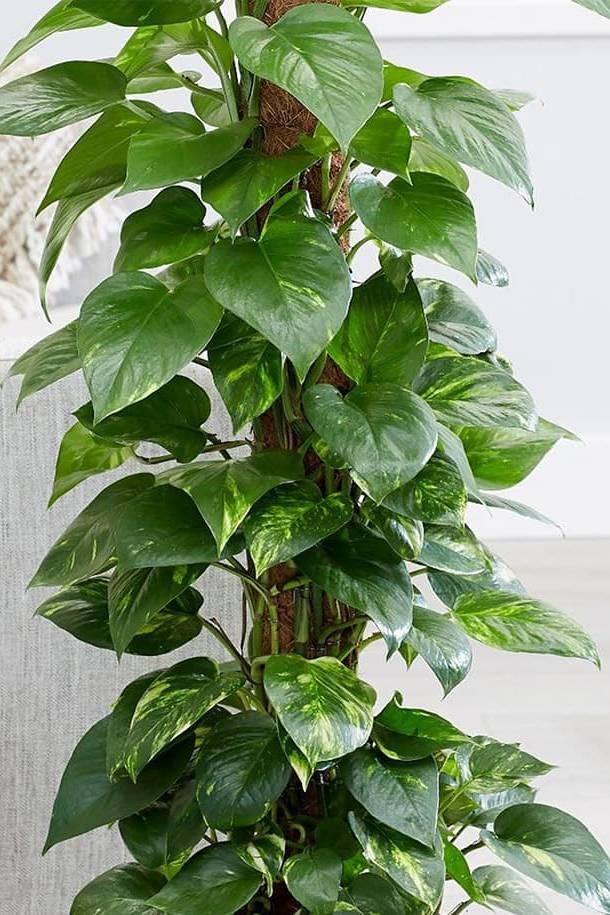
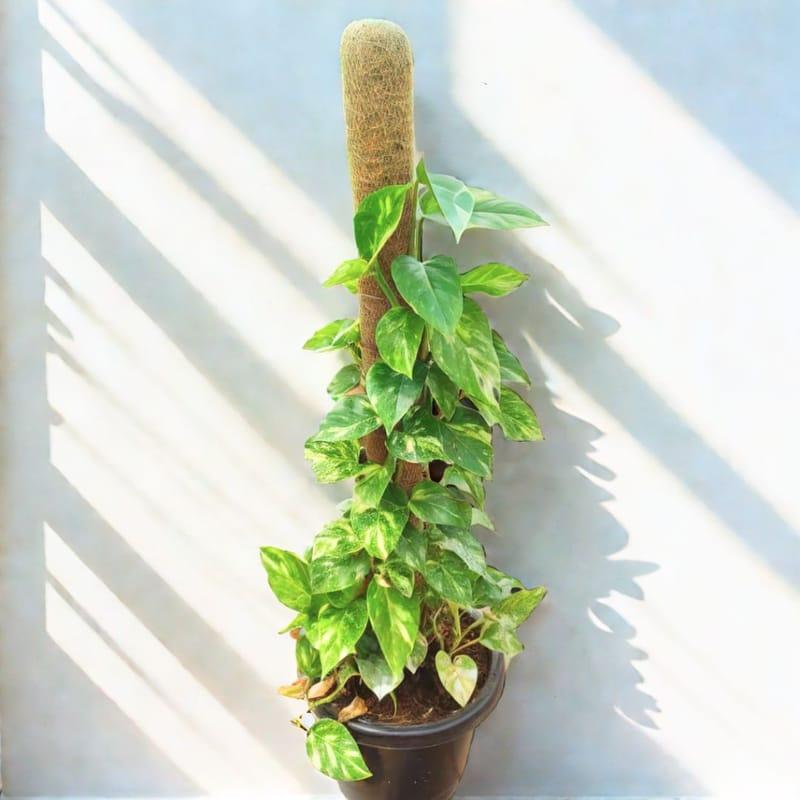
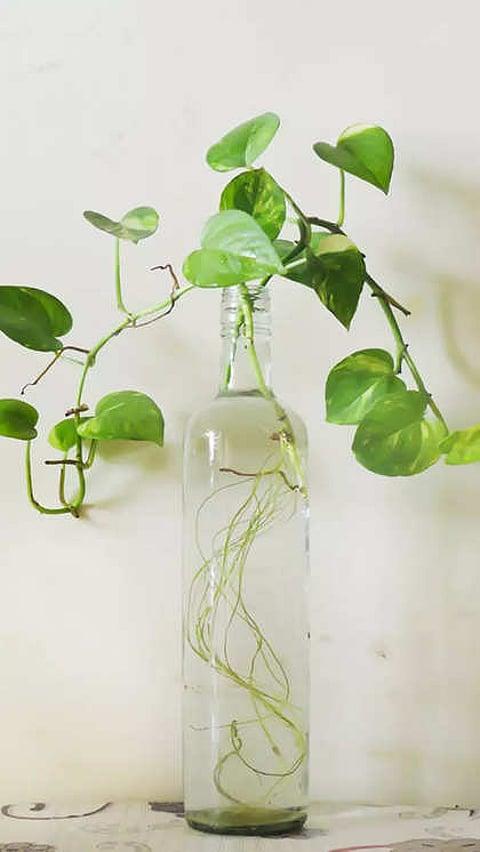
Money Plant


Scientific Name: Epipremnum aureum Common Name: Money Plant, Golden Pothos, Devil's Ivy, Ceylon Creeper, Hunter's Robe Family: Araceae (Arum Family) Genus: Epipremnum Origin: Mo'orea (French Polynesia), widely naturalized across tropical Asia, Australia, and the Pacific Plant Type: Evergreen perennial climbing vine
- SKU: PLANT4589
- CATEGORY: Balconies and terraces
- TAGs: Air Purifying , Low Maintenance
Introduction
Money Plant (Epipremnum aureum) is one of the most popular indoor ornamental foliage plants, admired for its heart-shaped leaves, vigorous growth, and ability to thrive in a wide range of conditions. It is commonly grown in homes and offices as a decorative vine and is often associated with good luck, prosperity, and positive energy in various cultures.
Money Plant is ideal for hanging baskets, pots, indoor decoration, offices, balconies, vertical gardens, and hydroponic (water) cultivation due to its attractive appearance and low maintenance requirements.
Physical Characteristics
Height / Length
- Indoors, vines typically grow 6–10 feet (2–3 meters) long.
- Outdoors or when climbing trees, they can exceed 40 feet (12 meters).
Spread
- Spreads widely through climbing or trailing stems.
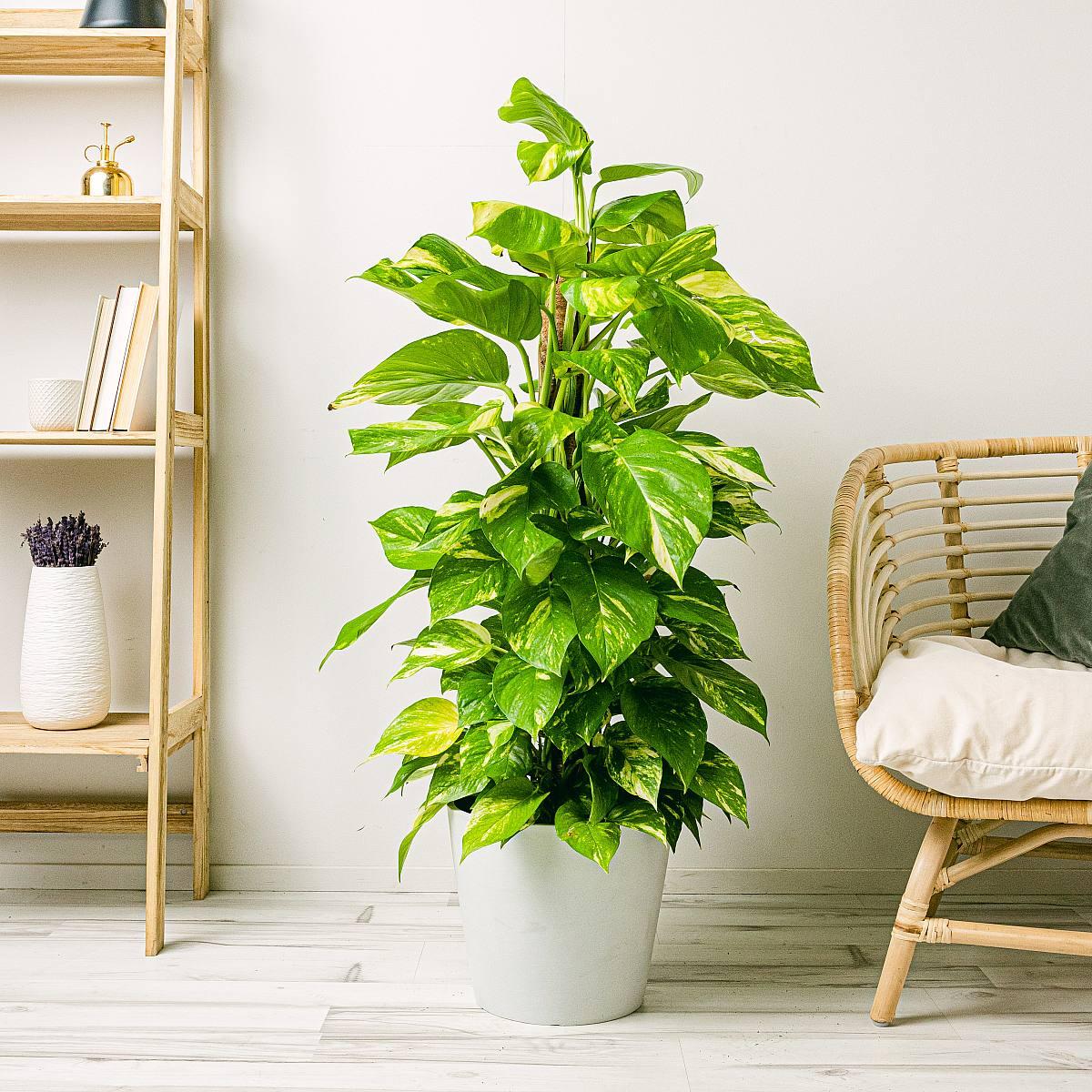
- Easily covers walls, trellises, and moss poles.
Stem
- Thick, green, flexible stems.
- Produces aerial roots that help the plant climb.
Leaves
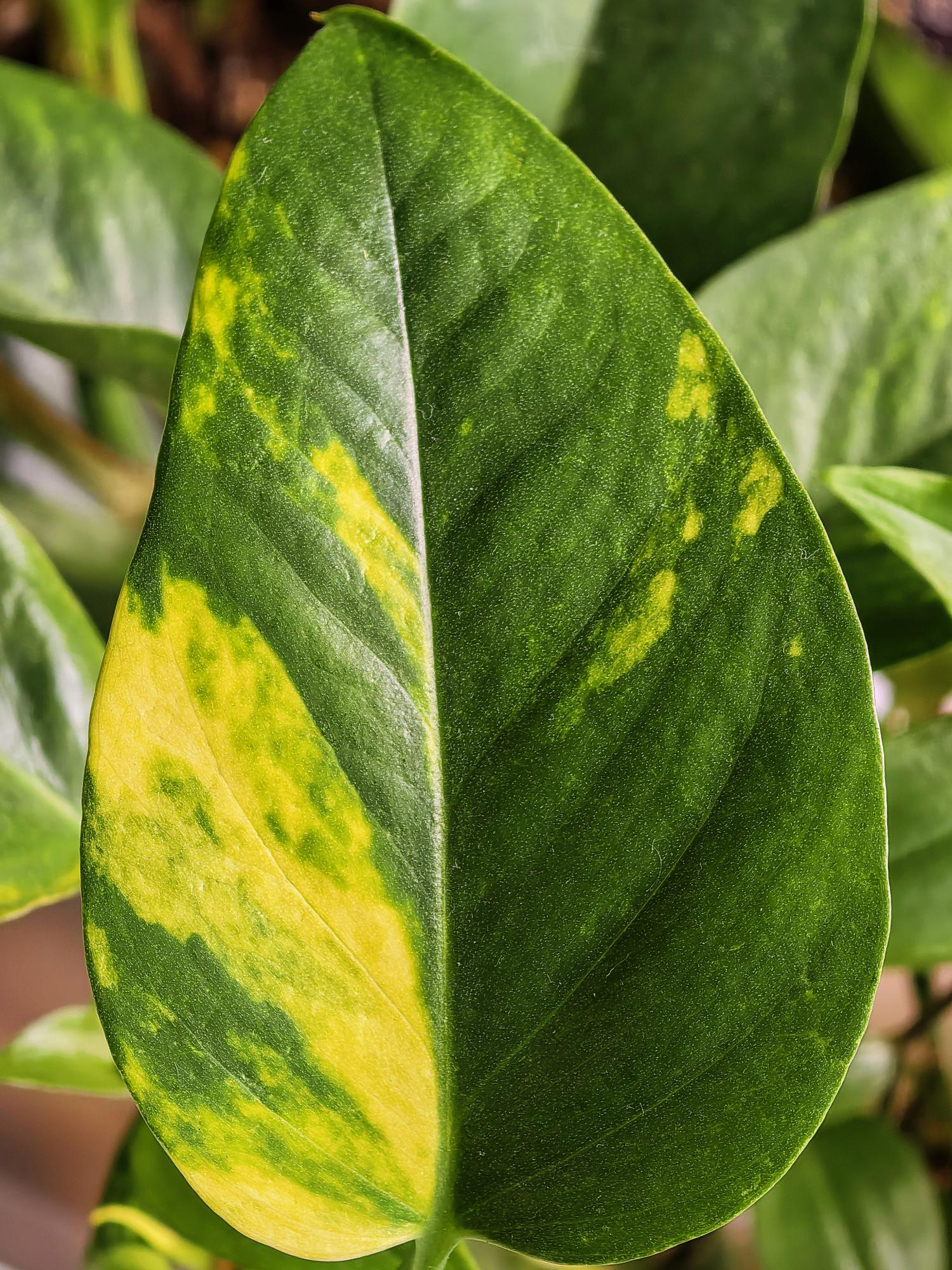
- Heart-shaped, glossy leaves.
- Leaf size:
- Indoors: 2–6 inches (5–15 cm).
- Mature climbing plants: up to 2–3 feet (60–90 cm).
- Common leaf colors:
- Green
- Green with golden-yellow variegation
- White variegation
- Lime green
- Marble-patterned cultivars
Flowers
- Rarely flowers indoors.
- Mature outdoor plants may produce a cream-colored spathe and spadix typical of the Araceae family.
Fruits
- Fruiting is extremely rare in cultivation.
Propagation
Money Plant is propagated mainly by:
1. Stem Cuttings
- The easiest and most common method.
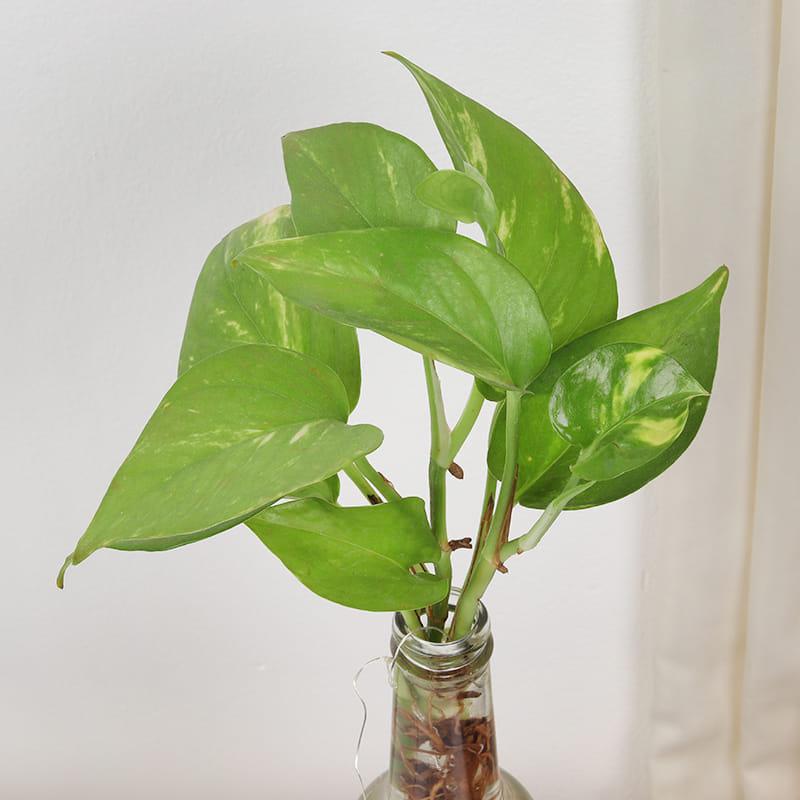
- Cut below a node and root the cutting in water or moist soil.
- Roots usually develop within 1–3 weeks.
2. Layering
- Stems that touch the soil can naturally develop roots and establish new plants.
Landscape & Decorative Uses
Money Plant is ideal for:
- Indoor decoration
- Office interiors
- Hanging baskets
- Tabletop planters
- Vertical gardens
- Balcony gardens
- Living room décor
- Bedroom decoration
- Hotel lobbies
- Shopping malls
Common Problems
Root Rot
Occurs due to excessive watering or poor drainage.
Yellow Leaves
Often caused by overwatering, insufficient light, or nutrient deficiencies.
Brown Leaf Tips
May result from dry air, inconsistent watering, or salt buildup.
Mealybugs
Can infest stems and leaves.
Spider Mites
May appear in dry indoor environments.
Maintenance Tips
- Place in bright, indirect sunlight for the best leaf variegation.
- Water only when the topsoil becomes slightly dry.
- Rotate the pot occasionally for even growth.
- Prune long vines to encourage bushier growth.
- Use a moss pole or trellis if you want larger leaves and vertical growth.
- Clean the leaves regularly to remove dust.
- Repot every 2–3 years if the plant becomes root-bound.
Lifespan
With proper care, Money Plants can live for 10–20 years or more, continuing to produce lush foliage throughout their life.
Interesting Facts
- Money Plant is one of the most popular indoor plants worldwide due to its adaptability and low maintenance.
- It can grow successfully in both soil and water, making it highly versatile.
- The plant develops much larger leaves when allowed to climb a support such as a moss pole.
- It is commonly associated with wealth, prosperity, and positive energy in Feng Shui and Vastu traditions.
- The NASA Clean Air Study identified Golden Pothos as one of the plants capable of helping reduce certain indoor air pollutants under controlled conditions.
Note: Money Plant contains calcium oxalate crystals and is toxic if chewed or ingested by pets or young children, so it should be placed out of their reach.
Growing Requirements
Sunlight
- Prefers bright, indirect light.
- Tolerates low-light conditions.
- Avoid prolonged direct afternoon sunlight, which can scorch the leaves.
Temperature
- Ideal temperature: 18°C–30°C (64°F–86°F).
- Sensitive to frost.
- Best grown in warm, humid conditions.
Soil
- Well-drained, fertile potting mix.
- Soil pH: 6.0–7.5.
- A mix containing coco peat, compost, and perlite is ideal.
Watering
- Water when the top 1–2 inches (2.5–5 cm) of soil become dry.
- Avoid overwatering.
- Can also be grown successfully in clean water, provided the water is changed regularly.
Fertilizer
Apply a balanced liquid fertilizer every 4–6 weeks during spring and summer.
Recommended nutrients:
- Nitrogen (N)
- Phosphorus (P)
- Potassium (K)
Growth Rate
- Fast-growing under favorable conditions.
- Can grow 12–24 inches (30–60 cm) or more in a single growing season.