

Product
Plumeria


Common Name: Plumeria, Frangipani, Temple Tree, Champa (India) Botanical Name: Plumeria (commonly Plumeria rubra, Plumeria alba, and Plumeria obtusa) Family: Apocynaceae (Dogbane Family) Plant Type: Deciduous or semi-evergreen flowering tree Origin: Central America, Mexico, the Caribbean, and northern South America
- SKU: PLANT4589
- CATEGORY: Ornamental trees
- TAGs: Air Purifying , Low Maintenance
Plant Description
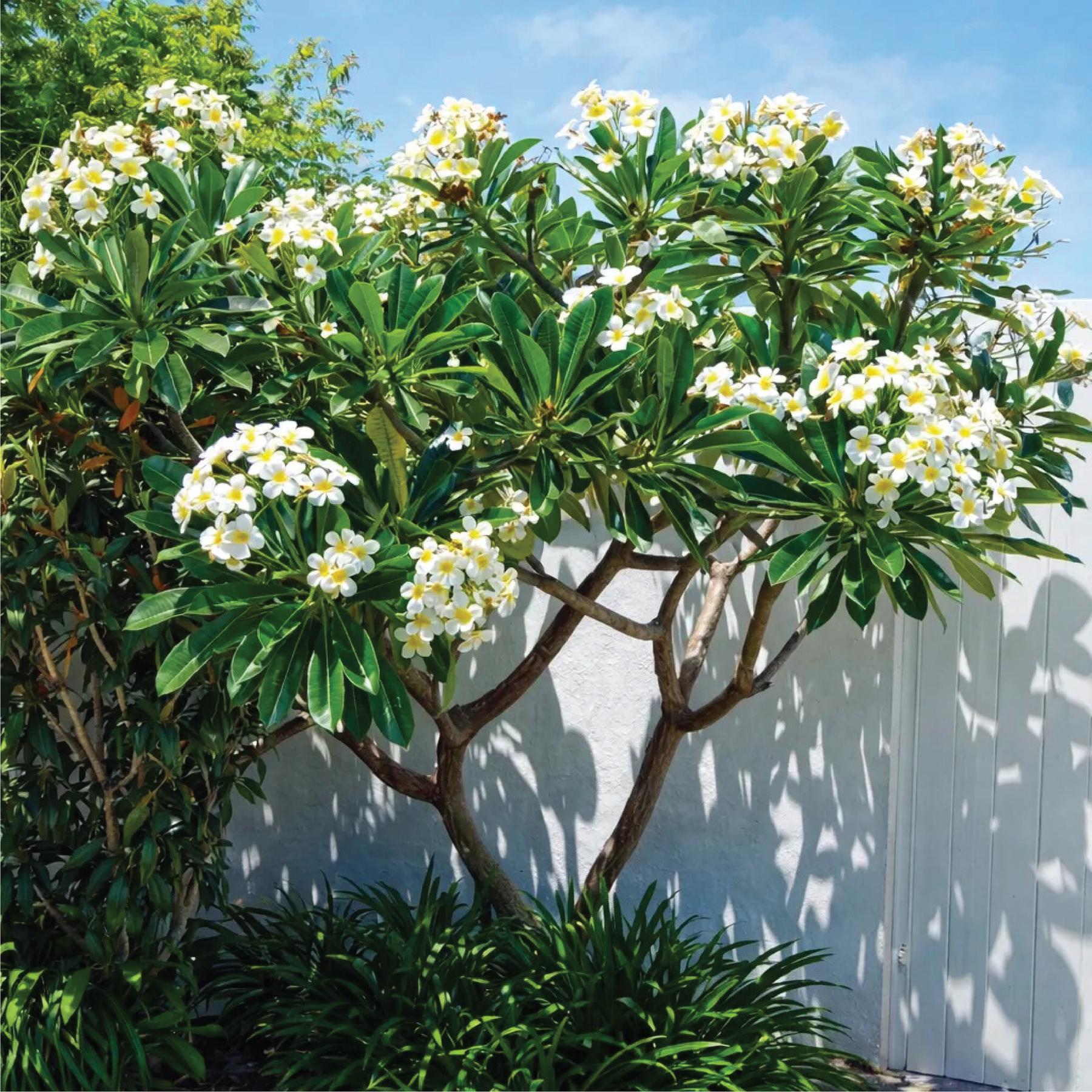
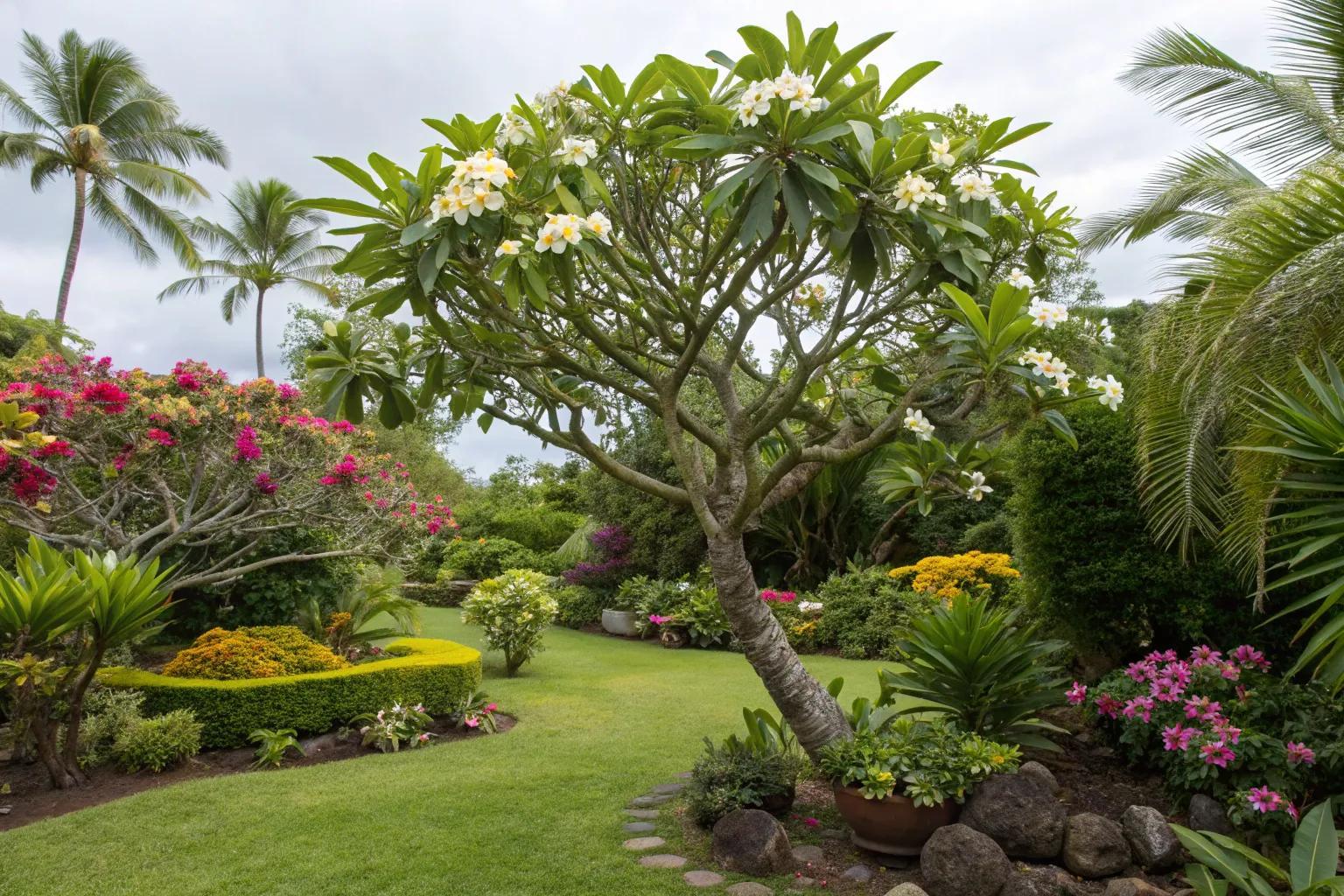
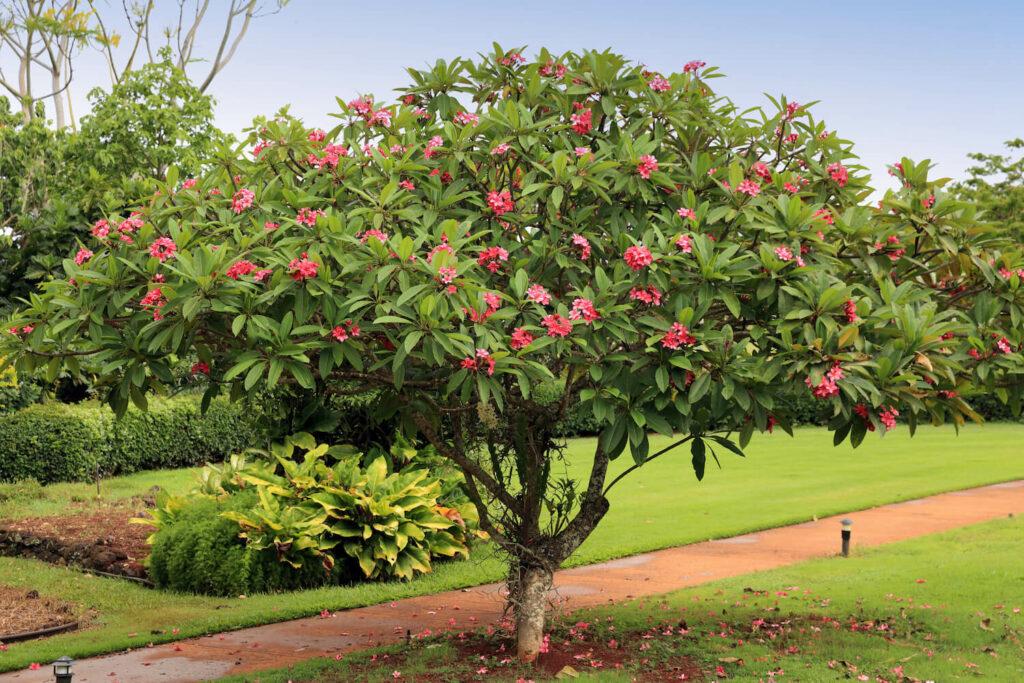
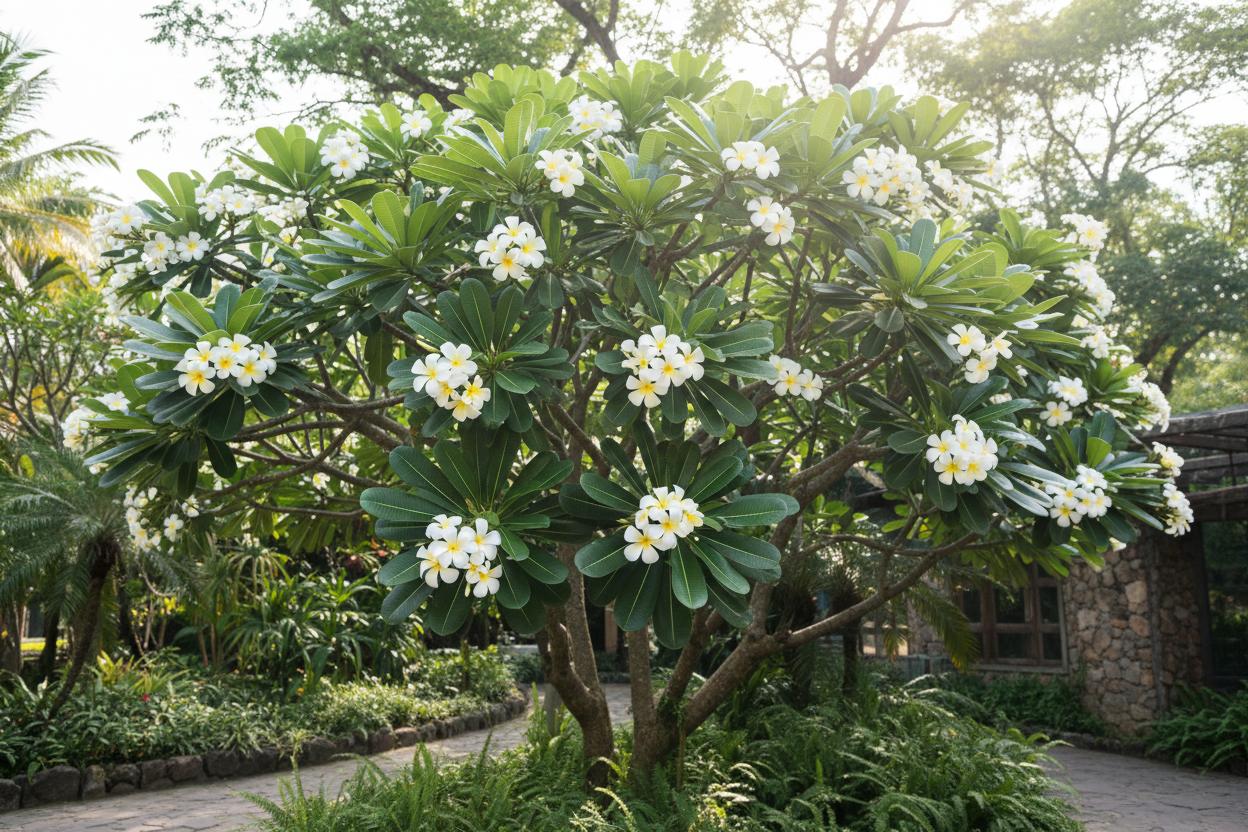
Plumeria, commonly known as Frangipani or Champa, is a highly prized ornamental tree famous for its stunning, fragrant flowers and elegant branching structure. It is widely planted in tropical and subtropical regions for landscaping, temple gardens, parks, avenues, and home gardens.
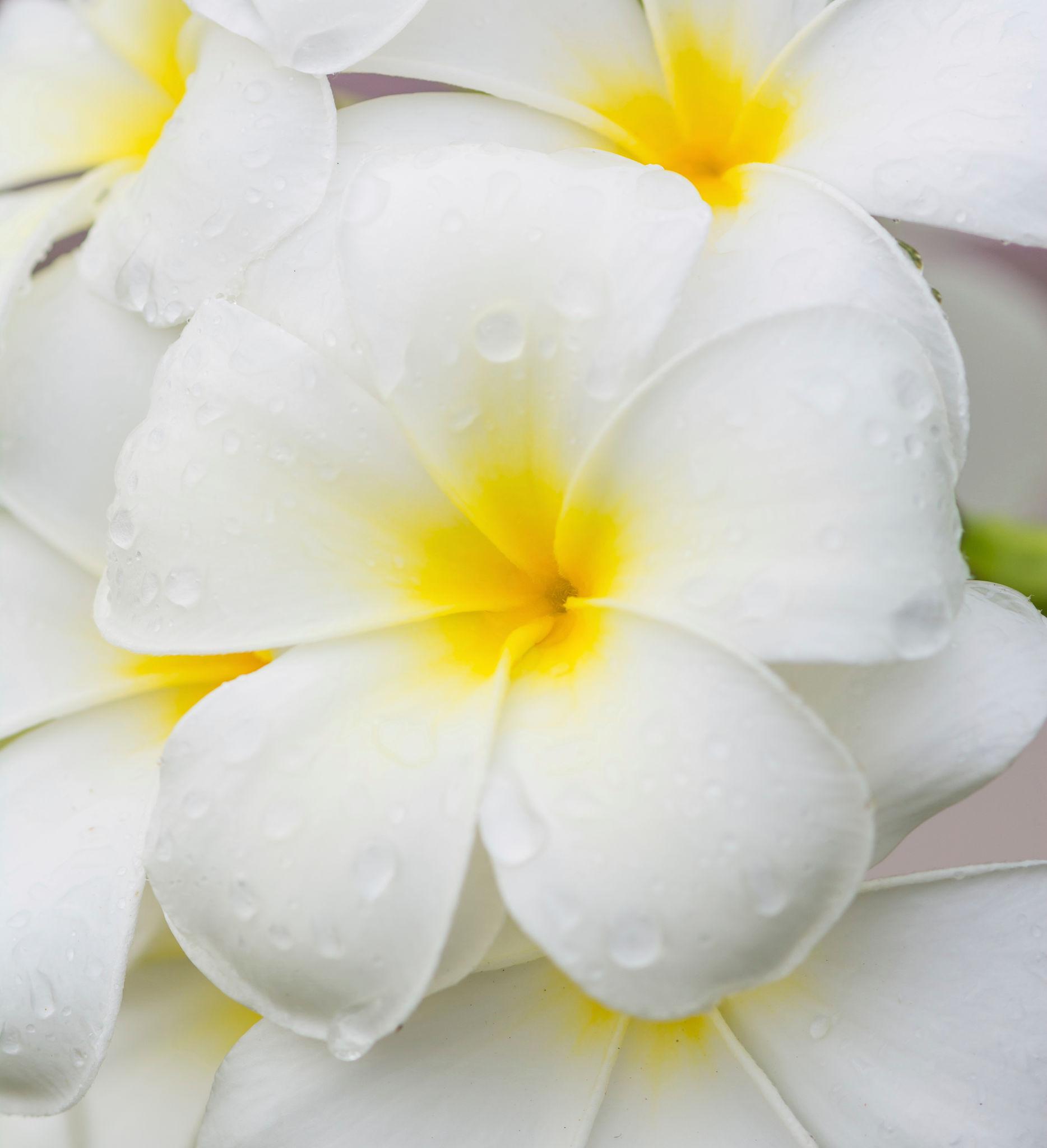
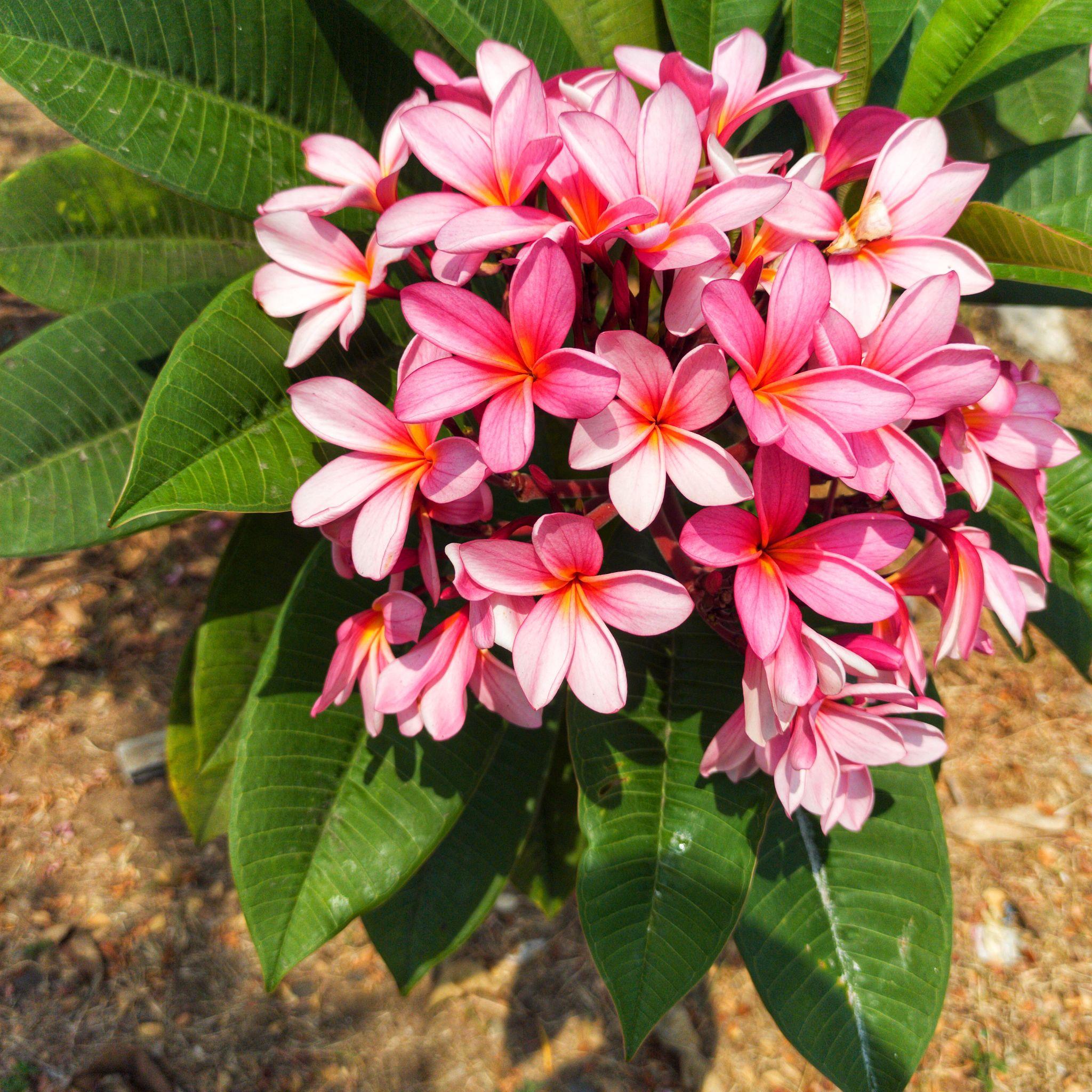
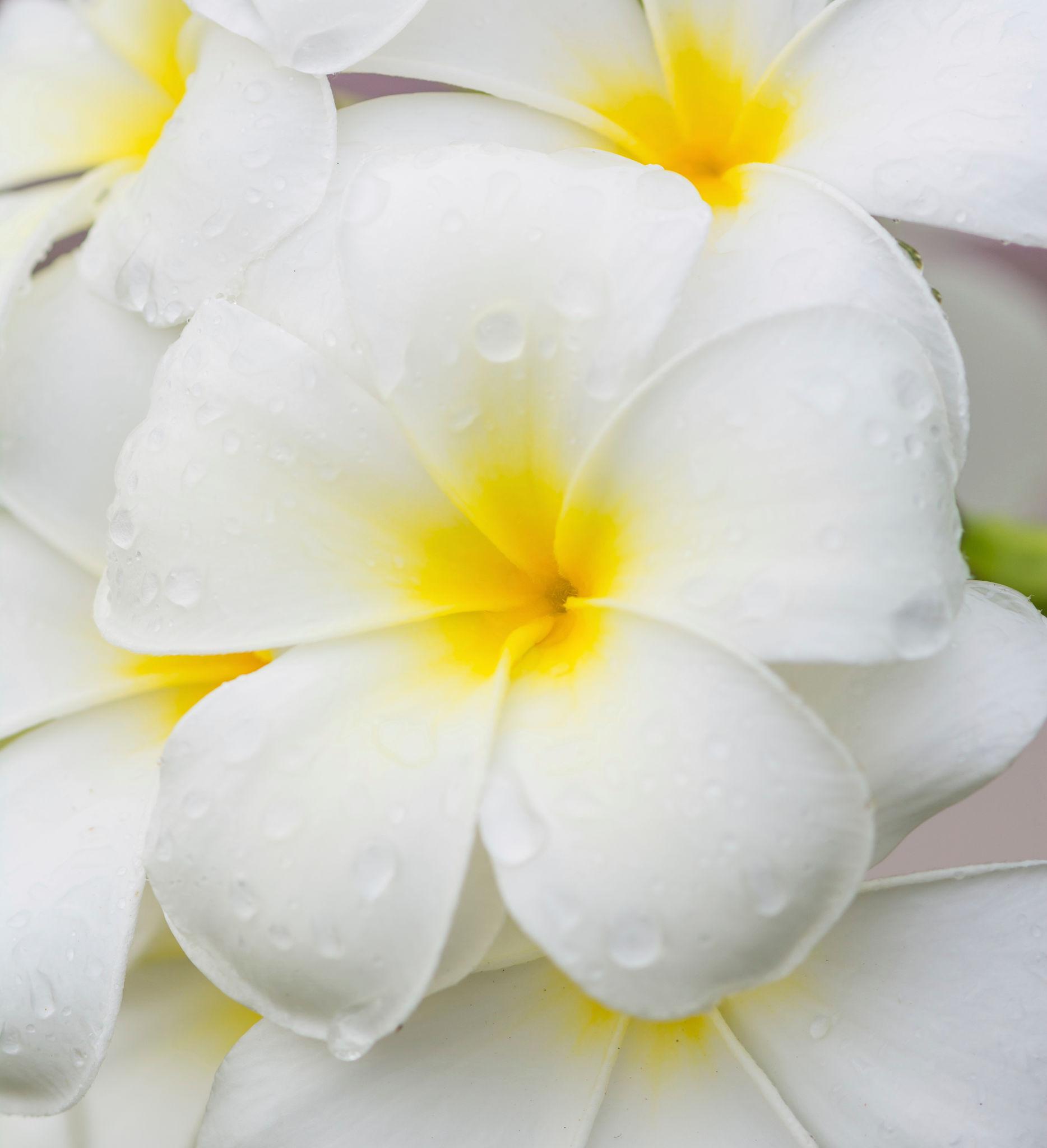
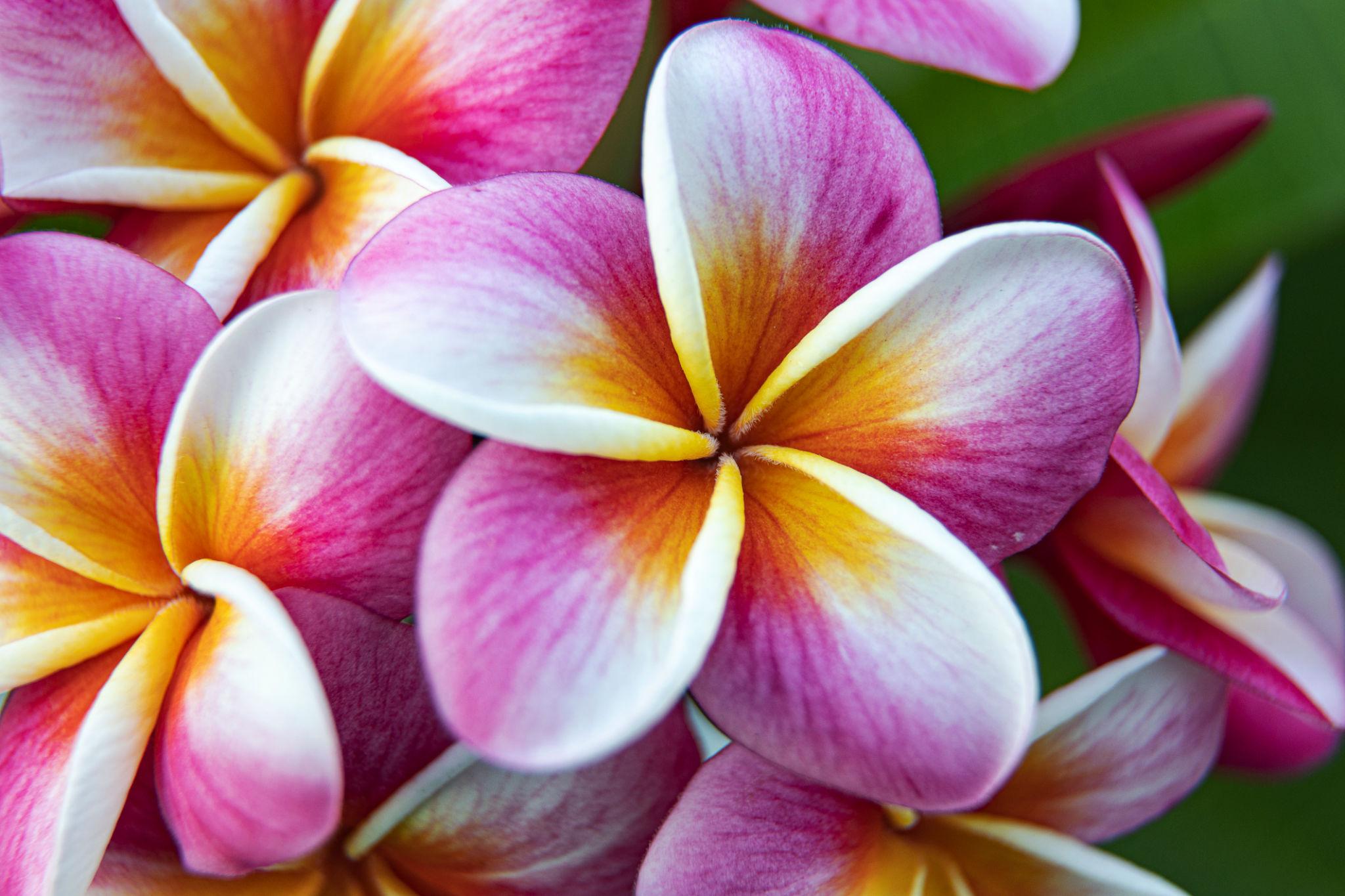
The tree blooms profusely from spring through autumn, producing clusters of waxy flowers in white, yellow, pink, red, orange, and multicolored shades. The flowers emit a sweet, pleasant fragrance, especially during the evening, making Plumeria one of the most attractive flowering trees.
Plant Characteristics
- Height: 3–8 meters
- Spread: 3–6 meters
- Growth Rate: Moderate
- Plant Habit: Small, spreading tree with thick, succulent branches
- Lifespan: Perennial
- Evergreen: Semi-evergreen to deciduous, depending on climate
Leaves
- Large, elongated, leathery leaves.
- Bright to dark green with a glossy surface.
- Leaves are clustered near the tips of branches.
- Many species shed leaves during winter or the dry season.
Flowers
- Five thick, waxy petals arranged in a spiral.
- Highly fragrant, especially in the evening.
- Available in white, yellow, pink, red, orange, cream, and multicolored varieties.
- Flowers grow in terminal clusters and remain attractive for several days.
- Excellent for floral decorations, garlands, and religious offerings.
Flowering Season
- Spring
- Summer
- Monsoon
- Autumn
- In warm tropical climates, flowering may continue for most of the year.
Uses
Ornamental Uses
- Home gardens
- Temple gardens
- Parks
- Avenue planting
- Hotel and resort landscapes
- Courtyards
- Large containers
Ecological Benefits
- Attracts butterflies, bees, and other pollinators.
- Provides seasonal shade and enhances landscape beauty.
Common Pests and Diseases
Pests
- Mealybugs
- Scale insects
- Spider mites
- Aphids
- Caterpillars
Diseases
- Stem rot
- Root rot
- Rust disease
- Black tip disease
- Leaf spot
Proper drainage and good air circulation help reduce disease problems.
Landscape Value
Plumeria is one of the most elegant flowering trees for tropical and subtropical landscapes. Its sculptural branches, lush foliage, and fragrant flowers make it an excellent focal point for gardens, parks, temples, avenues, and luxury landscapes.
Growing Conditions
Sunlight
- Requires full sunlight.
- Needs 6–8 hours of direct sunlight daily for maximum flowering.
Temperature
- Ideal: 20°C–35°C
- Thrives in warm, tropical climates.
- Sensitive to frost and prolonged cold temperatures.
Soil
- Well-drained sandy or loamy soil.
- Moderately fertile with good drainage.
- Soil pH: 6.0–7.5
Watering
- Water regularly during the growing season.
- Allow the soil to dry slightly between waterings.
- Reduce watering during winter dormancy.
- Avoid waterlogging to prevent root rot.
Fertilizer
- Apply compost or well-rotted manure twice a year.
- Use a phosphorus-rich fertilizer (such as NPK 10:30:20) every 4–6 weeks during the flowering season to encourage abundant blooms.
Propagation
Plumeria is commonly propagated through:
- Stem cuttings (most popular and easiest method)
- Seeds (used mainly for breeding new varieties)
- Grafting (for named cultivars)
Stem cuttings root readily during spring and the rainy season.
Pruning
- Prune lightly after flowering.
- Remove dead, damaged, or overcrowded branches.
- Pruning encourages better branching and more flower clusters.
Maintenance Tips
- Plant in a sunny location.
- Water moderately and avoid overwatering.
- Fertilize during the growing season for better flowering.
- Prune after flowering to maintain shape.
- Protect young plants from frost.