

Product
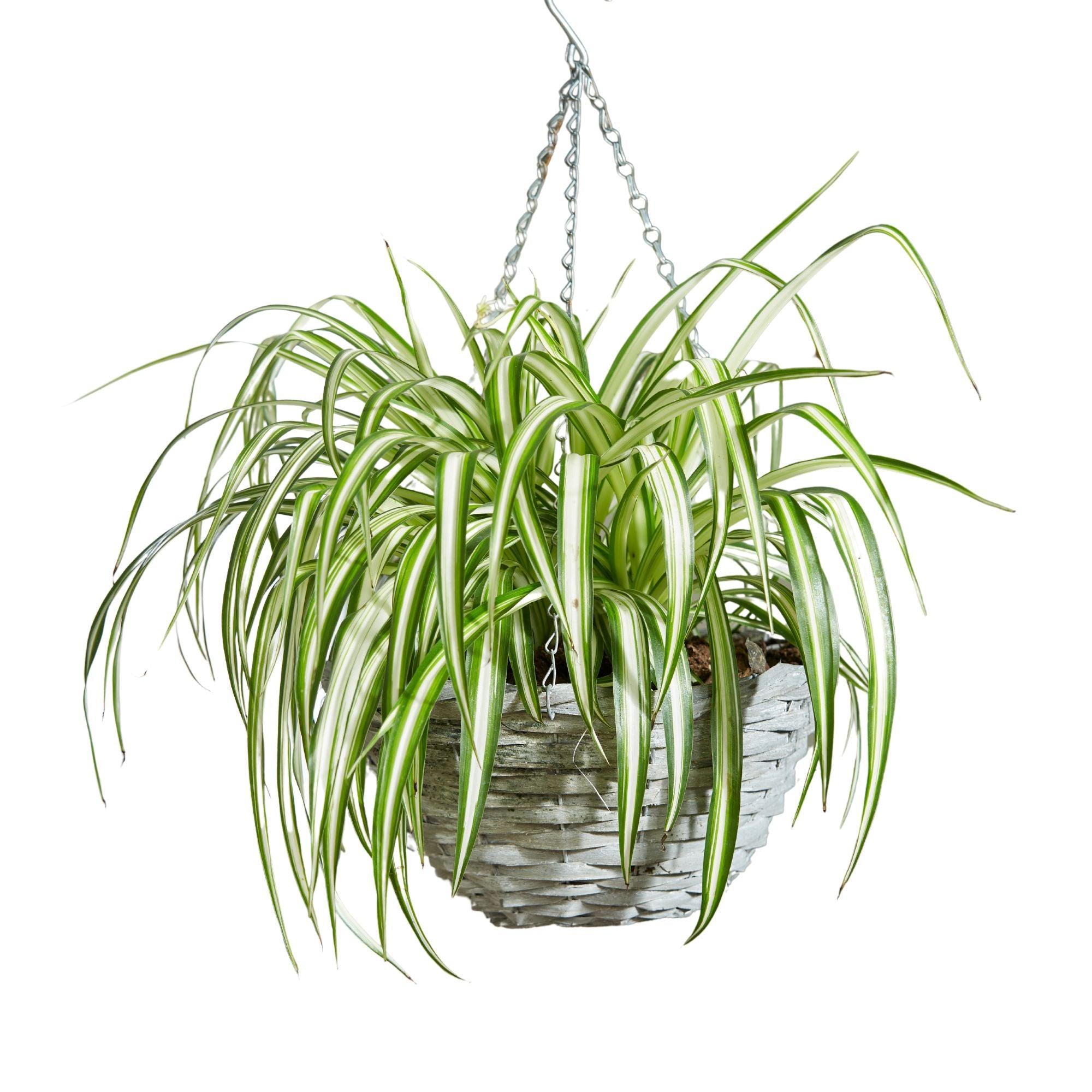
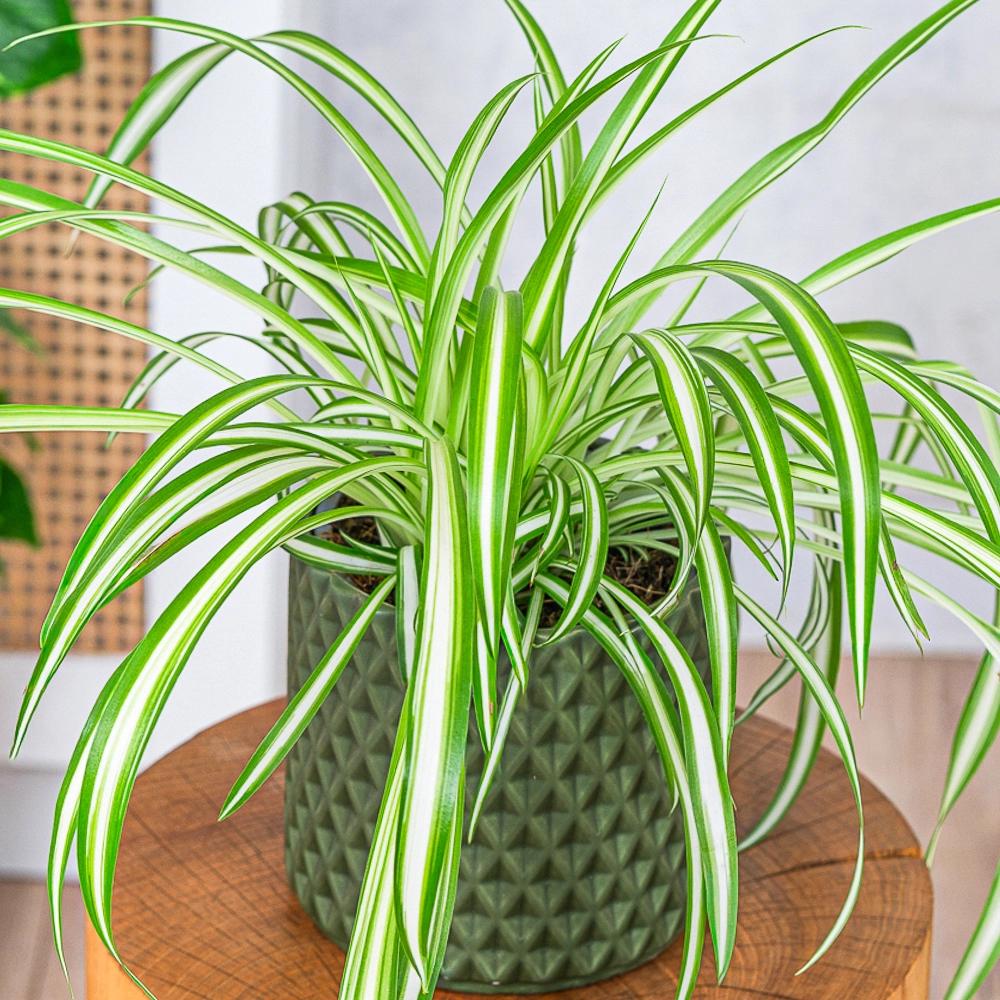
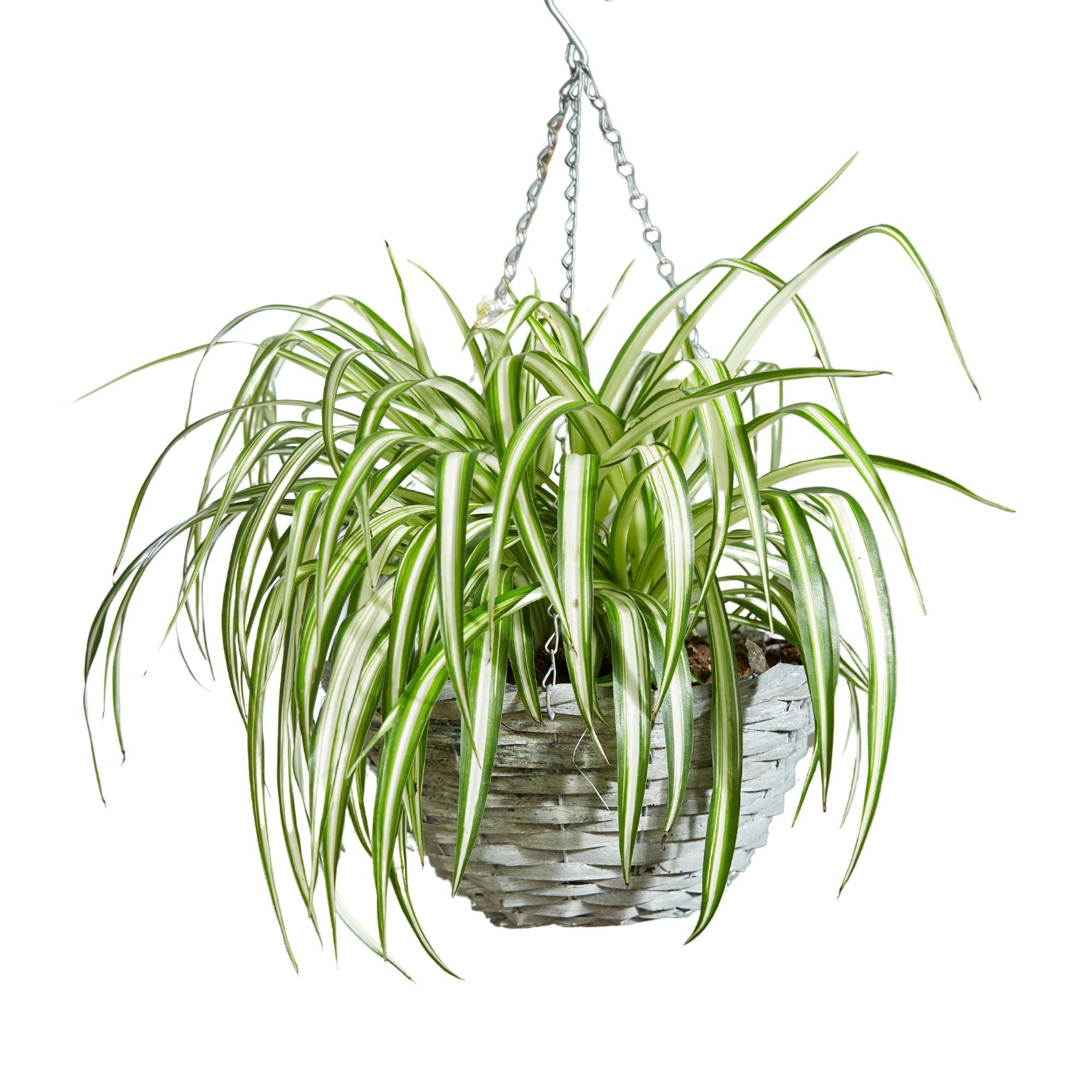
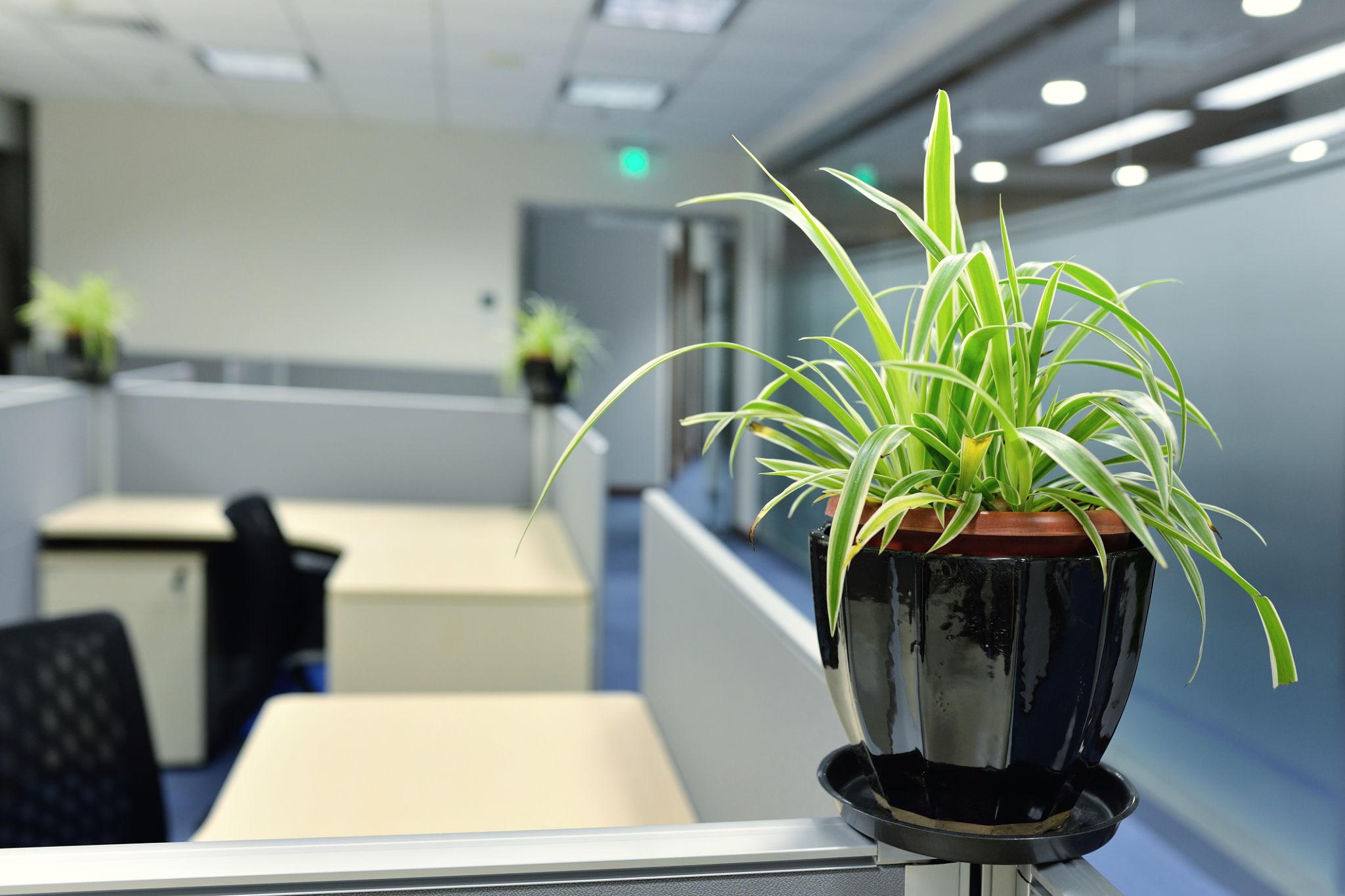
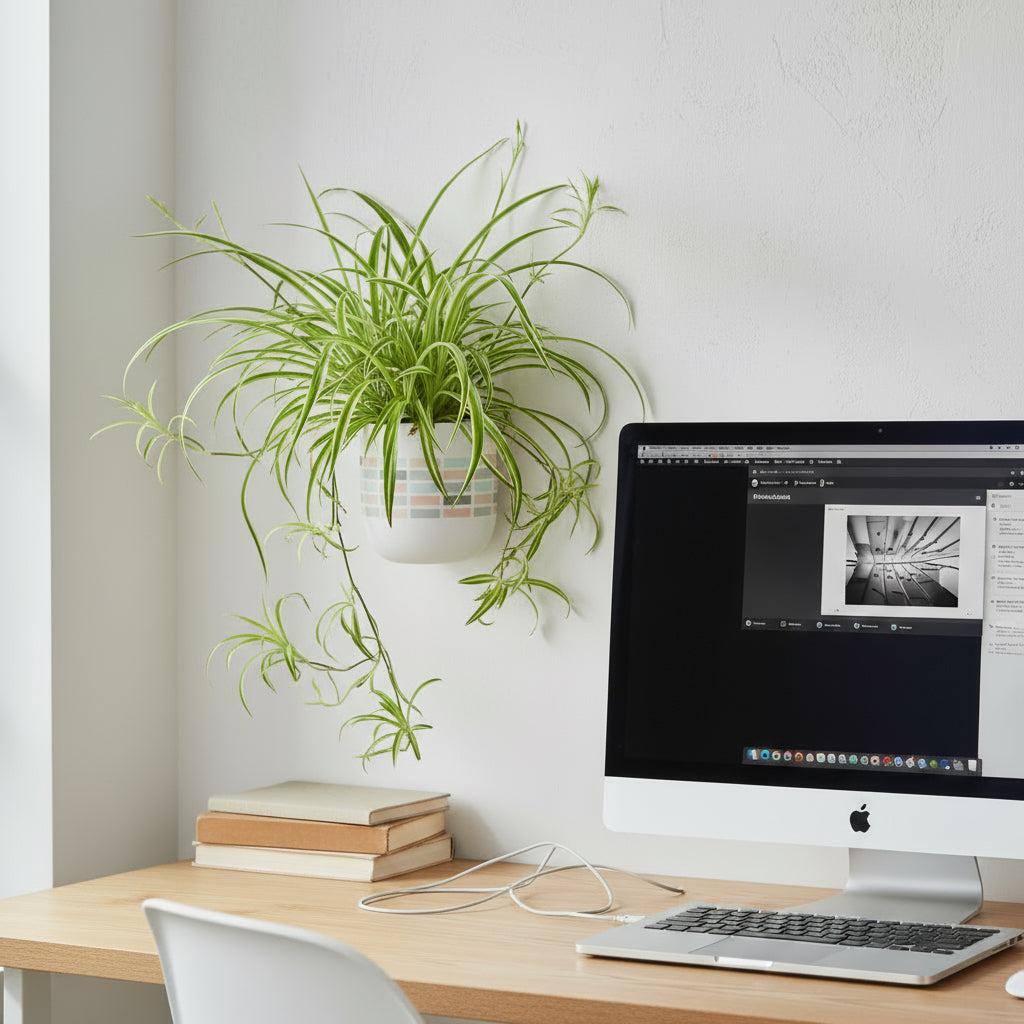
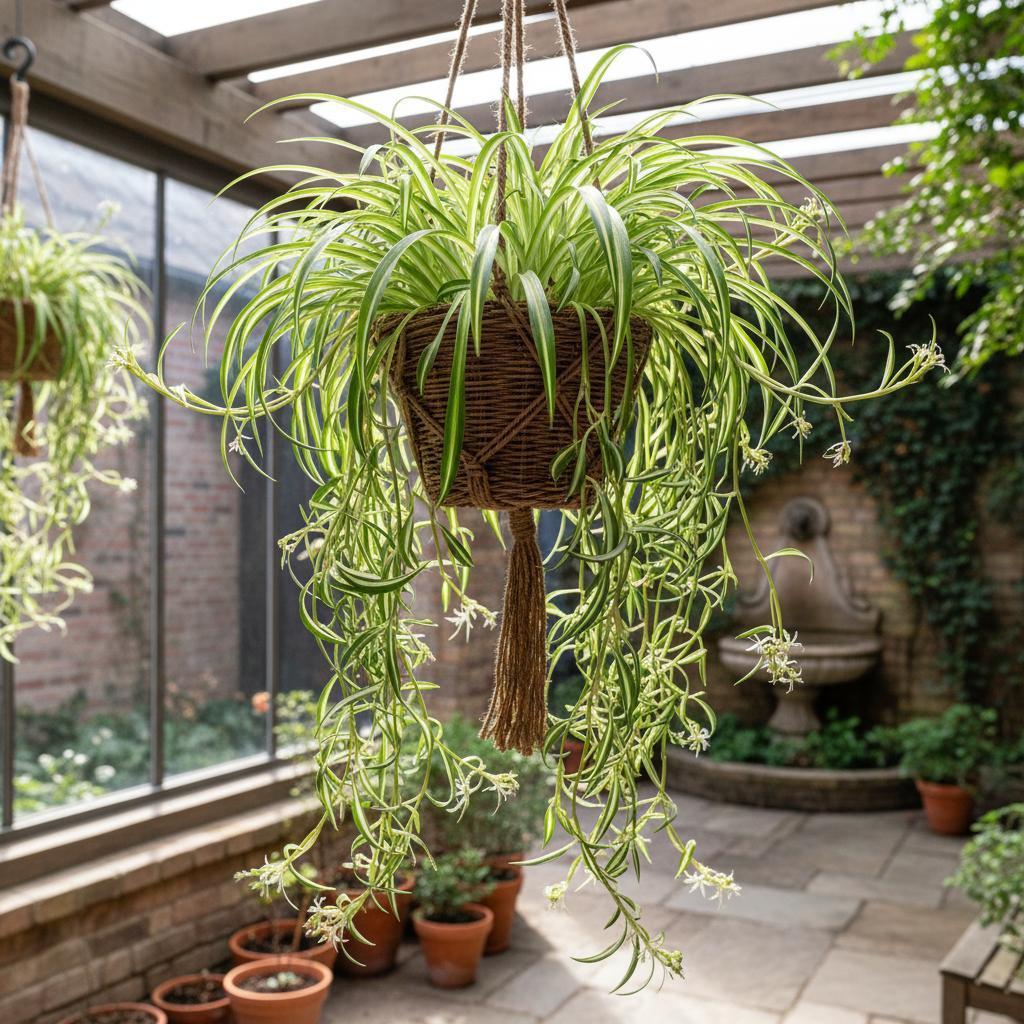
Spider Plant


Scientific Name: Chlorophytum comosum Common Name: Spider Plant, Airplane Plant, Ribbon Plant, Spider Ivy Family: Asparagaceae Genus: Chlorophytum Origin: Tropical and Southern Africa Plant Type: Evergreen perennial ornamental foliage plant
- SKU: PLANT4589
- CATEGORY: Balconies and terraces
- TAGs: Air Purifying , Low Maintenance
Introduction
Spider Plant (Chlorophytum comosum) is one of the world's most popular indoor ornamental plants, appreciated for its graceful arching leaves, ease of care, and excellent air-purifying properties. It produces long, slender leaves and hanging stems with small plantlets (called spiderettes) that resemble tiny spiders, giving the plant its common name.
Spider Plants are widely used in homes, offices, schools, shopping malls, hotels, hospitals, balconies, hanging baskets, and indoor gardens because they are attractive, low-maintenance, and adaptable to a wide range of indoor conditions.
Physical Characteristics
Height
- Typically grows 12–24 inches (30–60 cm) tall.
Spread
- Spreads 12–36 inches (30–90 cm) wide.
- Long arching leaves create a cascading appearance.
Stem
- Short, compact stem.
- Produces long, wiry flowering runners that develop baby plants.
Leaves
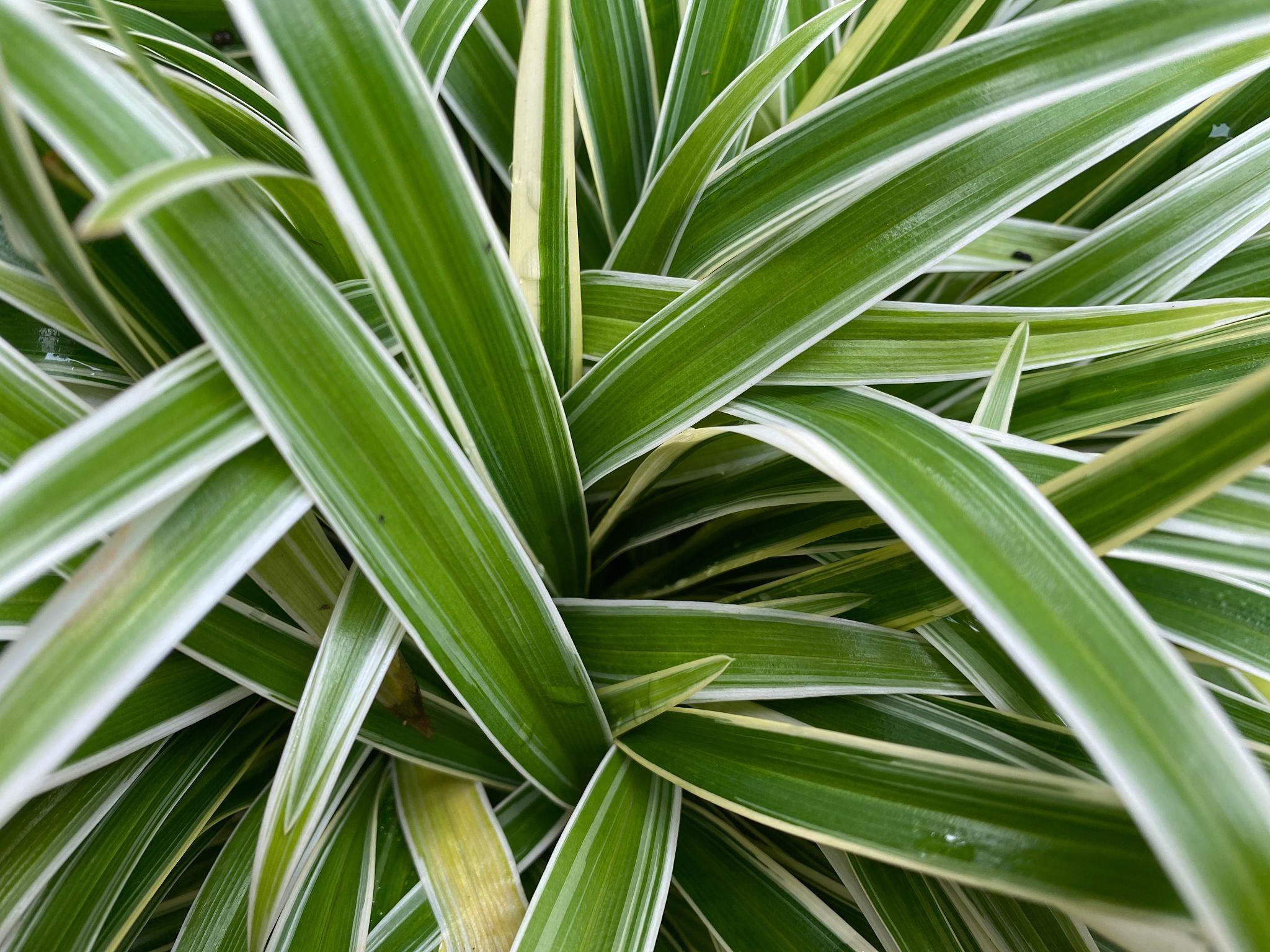
- Long, narrow, arching leaves.
- Length: 8–24 inches (20–60 cm).
- Width: 0.5–1 inch (1–2.5 cm).
- Common leaf colors:
- Green
- Green with white stripes
- White with green margins (variegated varieties)
Flowers
- Small, star-shaped white flowers.
- Produced on long arching stems.
- Flowers are delicate and mildly fragrant.
Plantlets (Spiderettes)
- Tiny baby plants develop along long runners.
- Easily rooted to produce new plants.
Propagation
Spider Plant is propagated by:
1. Plantlets (Spiderettes)
- The easiest and fastest method.
- Root the baby plants directly in soil or water.
- New roots develop within 1–2 weeks.
2. Division
- Separate mature clumps during repotting.
- Each division quickly establishes into a new plant.
Landscape & Decorative Uses
Spider Plant is ideal for:
- Indoor decoration
- Hanging baskets
- Office desks
- Living rooms
- Bedrooms
- Bathrooms (with indirect light)
- Balcony gardens
- Vertical gardens
- Shopping malls
- Hotel lobbies
Common Problems
Brown Leaf Tips
Often caused by:
- Fluoride or chlorine in tap water.
- Low humidity.
- Over-fertilization.
Root Rot
Occurs due to excessive watering or poor drainage.
Spider Mites
Can appear in dry indoor conditions.
Mealybugs
Occasionally infest leaves and stems.
Leaf Yellowing
May result from overwatering or poor lighting.
Maintenance Tips
- Place the plant in bright, indirect light.
- Water only when the topsoil dries slightly.
- Use filtered or rainwater if brown leaf tips become a recurring issue.
- Remove damaged or yellow leaves regularly.
- Repot every 2–3 years or when the roots become crowded.
- Wipe leaves occasionally to remove dust.
- Feed during the active growing season for lush foliage.
Lifespan
With proper care, Spider Plants can live for 20 years or more, continually producing healthy foliage and new plantlets.
Interesting Facts
- Spider Plant was included in the famous NASA Clean Air Study, which highlighted its ability to help remove certain indoor air pollutants such as formaldehyde and xylene under controlled conditions.
- One mature plant can produce dozens of baby plants each year.
- It is one of the easiest houseplants to propagate.
- Spider Plants are highly adaptable and can recover quickly from occasional neglect.
- They are commonly recommended as one of the best indoor plants for beginners.
Growing Requirements
Sunlight
- Prefers bright, indirect sunlight.
- Can tolerate partial shade.
- Avoid prolonged direct afternoon sun, which may scorch the leaves.
Temperature
- Ideal temperature: 18°C–30°C (64°F–86°F).
- Tolerates temperatures down to about 10°C (50°F) for short periods.
- Sensitive to frost.
Soil
- Well-drained, fertile potting mix.
- Soil pH: 6.0–7.5.
- A mix containing compost, coco peat, and perlite works well.
Watering
- Water when the top 1–2 inches (2.5–5 cm) of soil become dry.
- Keep the soil lightly moist but not soggy.
- Reduce watering during winter.
Fertilizer
Apply a balanced liquid fertilizer every 4–6 weeks during spring and summer.
Recommended nutrients:
- Nitrogen (N)
- Phosphorus (P)
- Potassium (K)
Growth Rate
- Moderate to fast-growing.
- Under ideal conditions, produces new leaves and plantlets throughout the growing season.