

Product
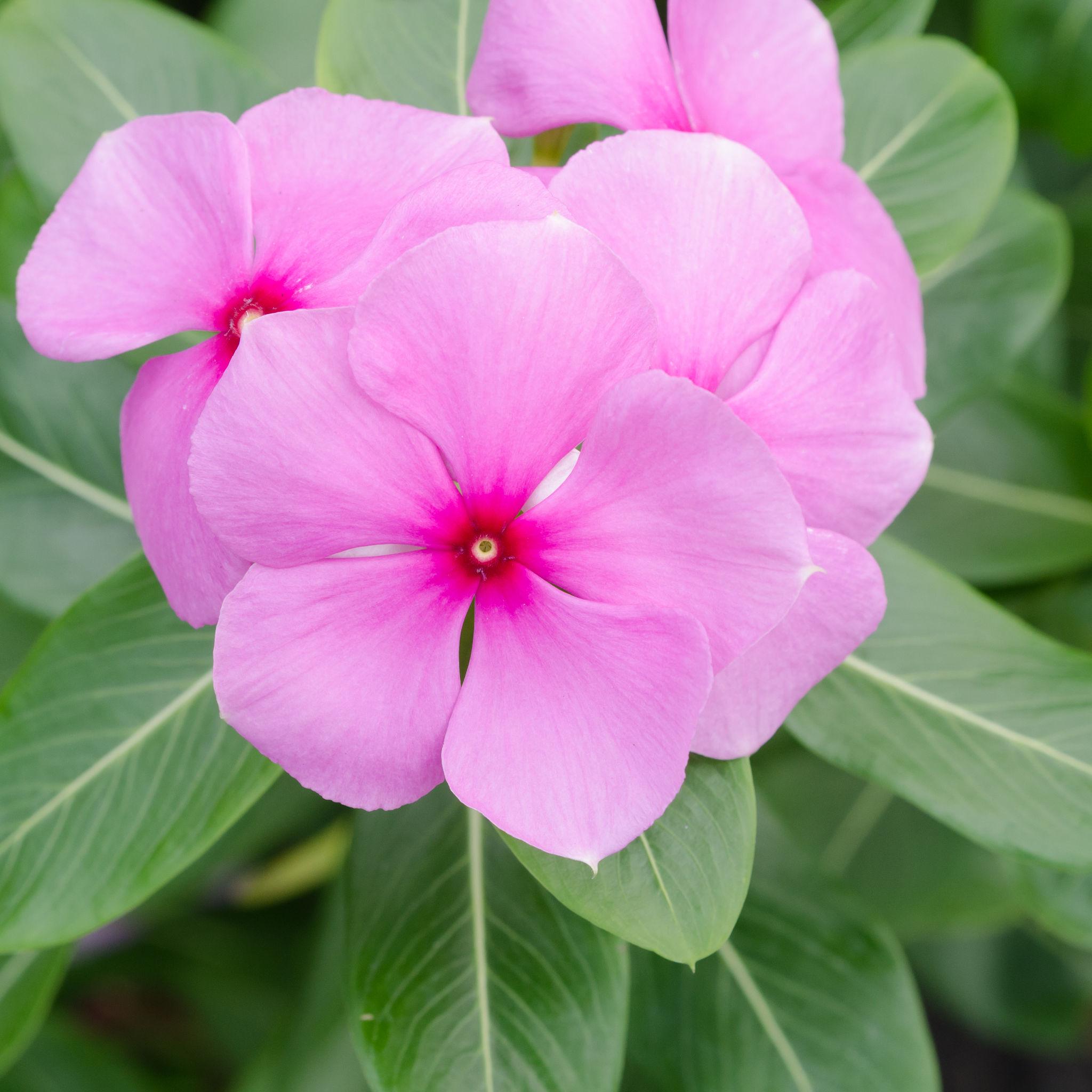
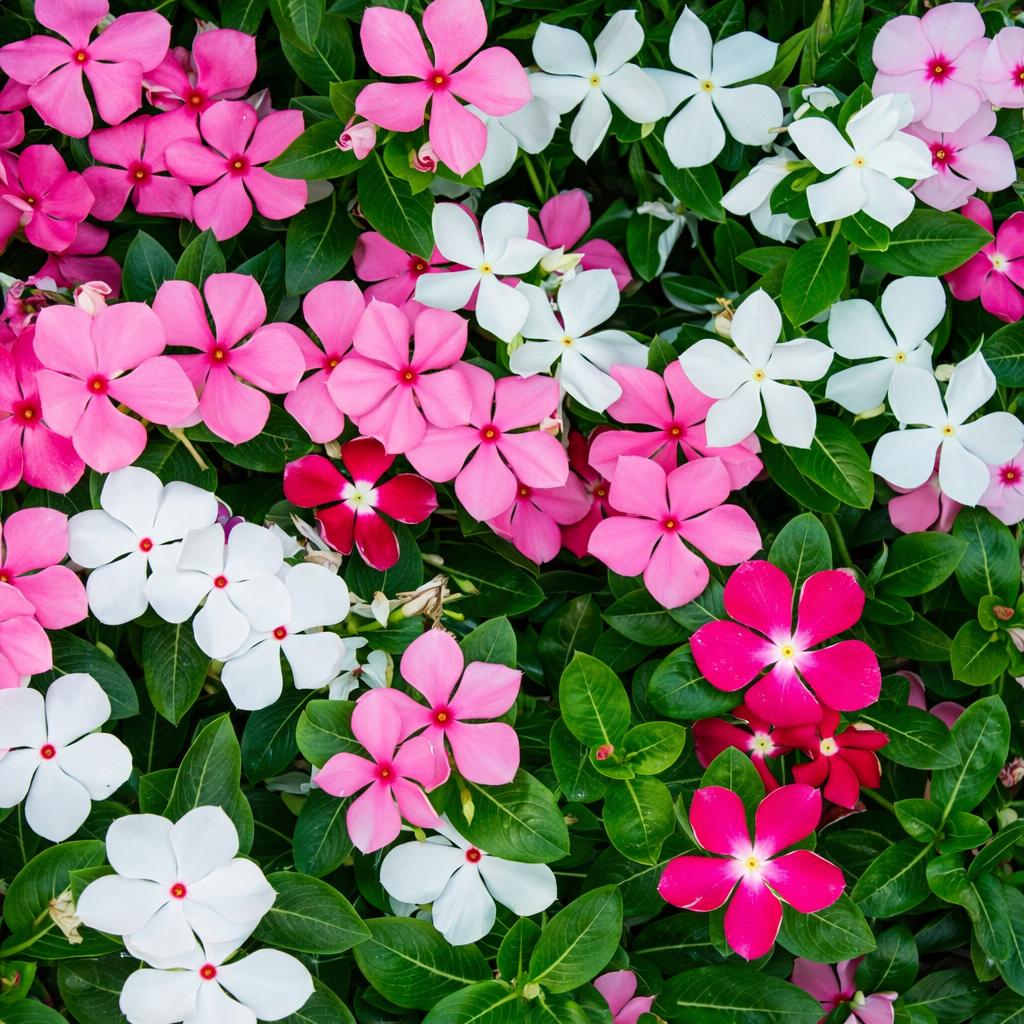
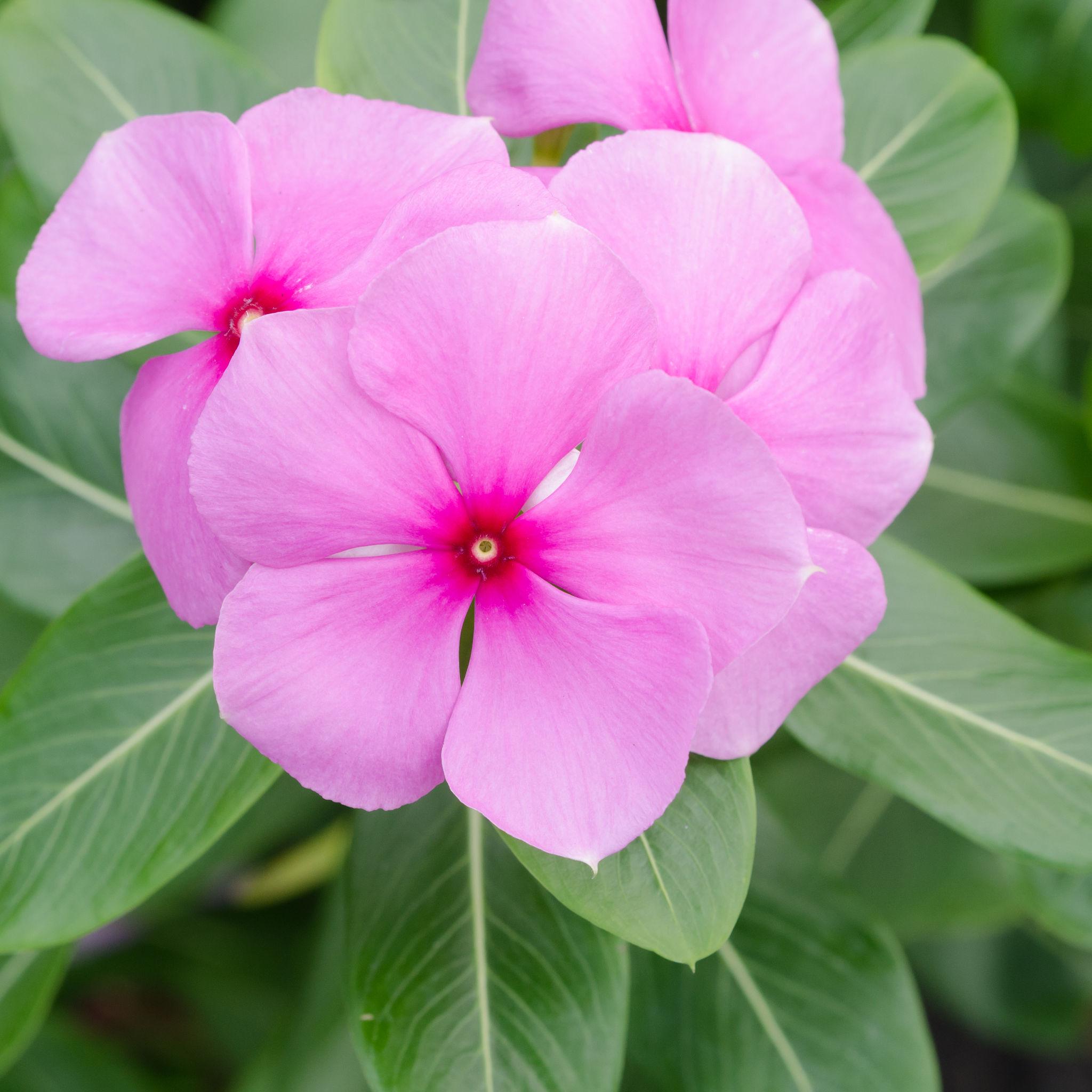
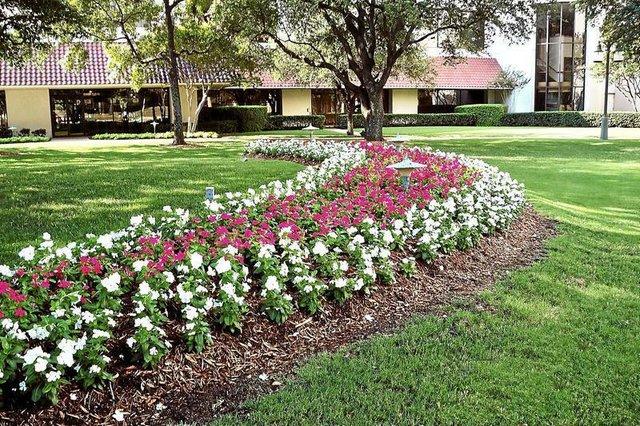
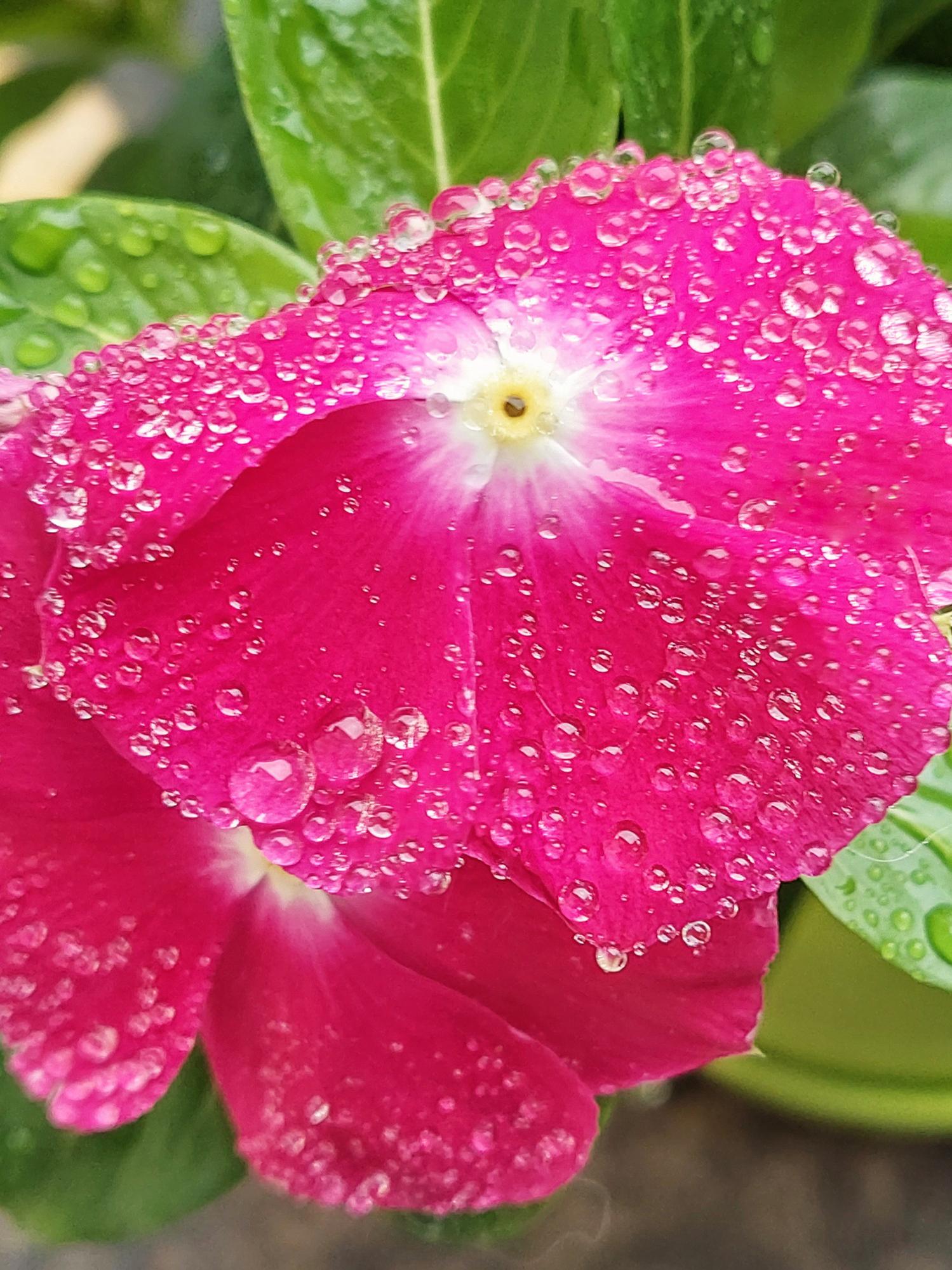
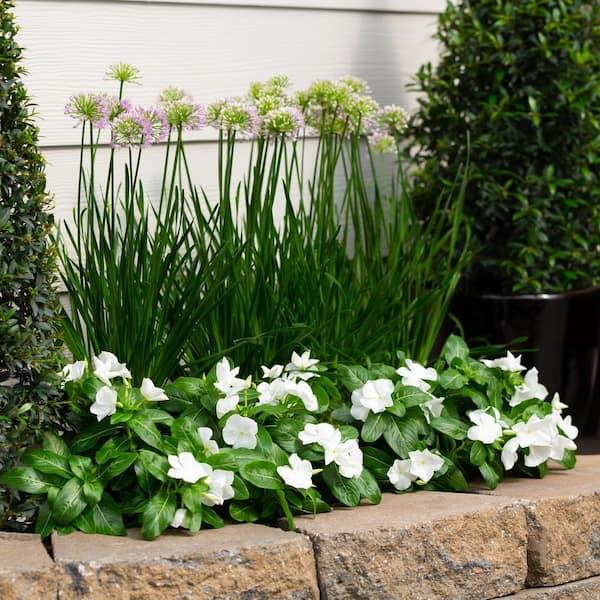
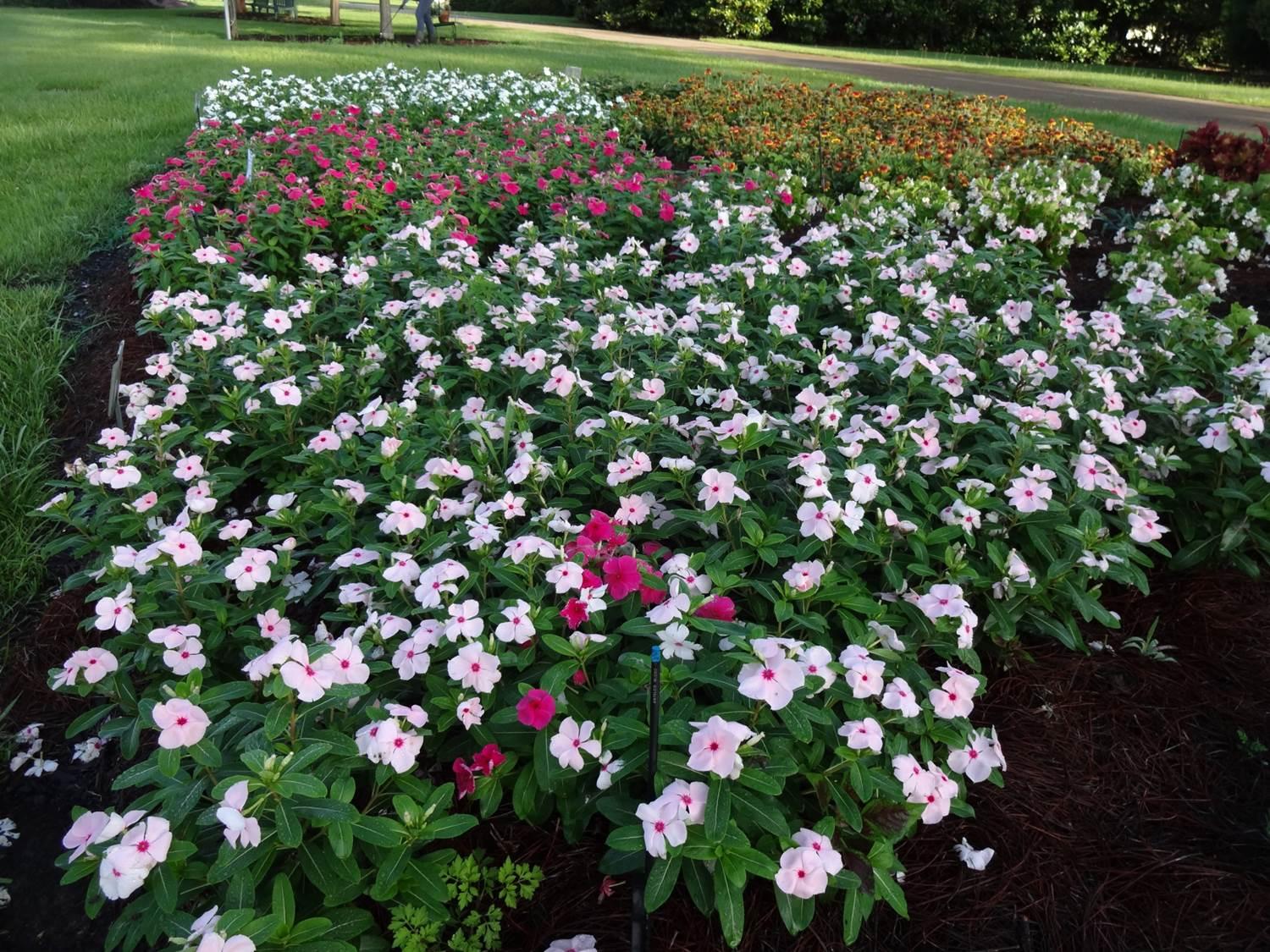
Vinca


Scientific Name: Catharanthus roseus Common Name: Vinca, Madagascar Periwinkle, Sadabahar, Rosy Periwinkle Family: Apocynaceae (Dogbane Family) Genus: Catharanthus Origin: Madagascar Plant Type: Evergreen flowering herbaceous plant (grown as an annual or perennial depending on climate)
- SKU: PLANT4589
- CATEGORY: Balconies and terraces
- TAGs: Air Purifying , Low Maintenance
Introduction
Vinca (Catharanthus roseus), commonly known as Madagascar Periwinkle or Sadabahar, is one of the most popular ornamental flowering plants because of its continuous blooming, vibrant flower colors, and exceptional heat and drought tolerance. Native to Madagascar, it is now cultivated throughout tropical and subtropical regions.
Vinca flowers almost year-round in warm climates, making it a favorite for flower beds, borders, pots, hanging baskets, parks, road medians, and landscaping projects. In addition to its ornamental value, the plant is also important in medicine, as it is the natural source of the anti-cancer compounds vincristine and vinblastine.
Physical Characteristics
Height
- Typically grows 12–24 inches (30–60 cm) tall.
- Dwarf varieties grow 6–12 inches (15–30 cm).
Spread
- Spreads 12–24 inches (30–60 cm) wide.
- Forms a compact, bushy mound.
Stem
- Soft, green, branching stems.
- Becomes slightly woody at the base with age.
Leaves
- Glossy, oval-shaped, dark green leaves.
- Smooth texture with a prominent light-colored central vein.
- Leaves measure 1–3 inches (2.5–7.5 cm) long.
Flowers
- Five-petaled flowers with a contrasting central "eye."
- Diameter ranges from 1–2 inches (2.5–5 cm).
- Available in many colors:
- White
- Pink
- Rose
- Red
- Purple
- Lavender
- Magenta
- Bi-colored varieties
Fruits
- Produces slender seed pods containing numerous small seeds.
Propagation
Vinca is propagated by:
1. Seeds
- The most common method.
- Sow seeds in warm, moist soil.
- Germination occurs within 7–14 days.
2. Stem Cuttings
- Suitable for maintaining selected varieties.
- Rooting occurs within 2–4 weeks.
Landscape & Decorative Uses
Vinca is ideal for:
- Flower beds
- Garden borders
- Pots and containers
- Hanging baskets
- Rock gardens
- Public parks
- Road medians
- Balcony gardens
- Terrace gardens
- Commercial landscapes
Common Problems
Aphids
Can attack young shoots and flower buds.
Spider Mites
May appear during hot, dry weather.
Root Rot
Caused by excessive watering or poor drainage.
Leaf Spot
May occur in humid conditions with poor air circulation.
Powdery Mildew
Occasionally affects plants in damp environments.
Maintenance Tips
- Plant in a sunny location.
- Water moderately and avoid overwatering.
- Remove faded flowers and damaged leaves to keep plants tidy.
- Fertilize every 4–6 weeks during the growing season.
- Ensure good air circulation around plants.
- Avoid waterlogging by using well-drained soil.
- Inspect regularly for pests and diseases.
Lifespan
In tropical and subtropical climates, Vinca is a short-lived perennial and can live for 2–5 years. In colder climates, it is commonly grown as an annual.
Interesting Facts
- Vinca is commonly known as Sadabahar in India because it flowers almost throughout the year.
- It is the natural source of the important anti-cancer drugs vincristine and vinblastine, used in the treatment of leukemia and lymphoma.
- The flowers remain fresh even during intense summer heat, making Vinca one of the best summer bedding plants.
- It is widely used for landscaping because of its long flowering season and minimal maintenance needs.
- Modern hybrid varieties are available in many vibrant colors and are more resistant to diseases.
Growing Requirements
Sunlight
- Prefers full sun.
- Can tolerate partial shade, but flowering is best with 6–8 hours of sunlight daily.
Temperature
- Ideal temperature: 20°C–35°C (68°F–95°F).
- Thrives in hot and humid climates.
- Sensitive to frost.
Soil
- Well-drained sandy or loamy soil.
- Soil pH: 6.0–7.5.
- Avoid waterlogged conditions.
Watering
- Water regularly after planting.
- Once established, Vinca is highly drought tolerant.
- Allow the soil to dry slightly between waterings.
Fertilizer
Apply a balanced fertilizer every 4–6 weeks during the growing season.
Recommended nutrients:
- Nitrogen (N)
- Phosphorus (P)
- Potassium (K)
Growth Rate
- Fast-growing plant.
- Begins flowering within 8–10 weeks after planting from seed.